If you are searching for a highly detailed Koh Kood travel guide, you likely already know that this quiet island escape represents what coastal Thailand looked like thirty years ago. Located in the far eastern reaches of the Gulf of Thailand within Trat province, just 50 kilometers off the Cambodian marine border, Koh Kood (also spelled Ko Kut) has miraculously avoided the mass commercialization that swallowed places like Phuket and Koh Samui.
You will not find neon-lit walking streets, noisy full moon parties, jet skis, or even a single 7-Eleven here. Instead, Thailand’s fifth-largest island offers centuries-old rainforests, strictly regulated eco-resorts, and a permanent population of fewer than 2,500 people. If you are comparing island styles across the region, this is far closer in spirit to Thailand hidden destinations than any mainstream beach hub.
Quick Summary
The Direct Answer: Is Koh Kood Worth It?
If you want a highly developed resort town with late-night bars, cheap public transport, and endless souvenir stalls, cancel your plans to Koh Kood immediately. However, if you are looking for absolute tranquility, pristine water clarity, and a destination that forces you to physically and mentally slow down, Koh Kood is arguably the best island in Southeast Asia right now.
It is incredibly safe, rigorously protected from overdevelopment (partly due to a Thai naval base occupying the entire eastern half of the island), and offers some of the most authentic local seafood in the country. Book your trip before corporate hotel chains inevitably change its secluded identity. If you prefer remote beach destinations over saturated resort islands, you may also want to compare it with Nusa Penida’s rugged island experience.
Why Koh Kood is the Anti-Mass Tourism Destination
Historically, Koh Kood served as a strategic haven for pirates navigating the lawless maritime borders between Thailand and Cambodia. The main northern port, Ban Ao Salad, literally translates to “Pirate Bay.” After the pirates were cleared out, the local economy relied almost entirely on coconut and rubber cultivation until very low-impact tourism arrived in the late 1990s.
Today, the island operates on a strict model of sustainability. Local families fiercely protect their land, and large developments are heavily scrutinized. Because the Thai Army controls the eastern coast, resorts are geographically restricted to the western and southern shores. When I first visited, I assumed the “untouched” label was just clever travel marketing. But after driving a scooter for forty-five minutes down the western coast without seeing a single billboard, fast-food chain, or traffic light, the reality set in: this island demands that you adapt to its slow, intentional rhythm.
When to Visit: Navigating the Seasons
The atmosphere of the island shifts drastically depending on the month you arrive. Because ferry schedules dictate access, timing your trip is the most critical decision you will make.
High Season (November – February)
This is the optimal window for travel. Temperatures hover comfortably between 27°C and 29°C. The skies are spotless, and the ocean is remarkably flat, making it ideal for snorkeling and paddleboarding. December is widely considered the absolute peak month. The major downside? Accommodations book up months in advance, and you will pay premium rates for beachfront bungalows. By late February, the waterfalls often reduce to a trickle.
Shoulder Season (March – May)
March and April are the hottest months of the year, with temperatures routinely spiking to 35°C. Water visibility is at its absolute peak during this time, creating incredible conditions for scuba diving. In May, the southwest monsoon begins to roll in. Visitor numbers drop sharply, and resorts typically lower their room rates by 20% to 30%.
Low Season / Monsoon (June – Mid-October)
Expect heavy, burst-like rain showers, especially from July through September, coupled with high humidity levels. The seas become choppy, meaning some ferry companies reduce or entirely suspend their schedules. While swimming on the west coast can be dangerous due to strong waves, the jungle becomes intensely green, and the island’s waterfalls flow at maximum capacity. Many restaurants close during these months. Unless you are a highly experienced traveler looking for extreme isolation, I strongly advise against visiting between June and September.
Getting There: Logistics & Ferry Routes
Koh Kood’s lack of an airport and bustling cruise pier is its greatest defense mechanism against over-tourism. Reaching the island requires some effort, and you should dedicate a full day to transit.
The Overland Route from Bangkok
The most common method is taking a bus and boat combination. Minibuses depart from Bangkok’s Mochit MiniBus Terminal (Station C) or Ekkamai Eastern Bus Terminal. A ticket costs roughly 270 to 300 THB. The drive takes 5 to 6 hours to reach Trat province. From Trat, you take a 45-minute shared taxi (songthaew) to Laem Sok Pier, where the ferries depart.
Transit Strategy: Do not attempt the grueling single-day transit from Bangkok to Koh Kood. I recommend taking a midday bus to Trat, spending the night at a budget spot like Pano Solar Guesthouse near the local night market, and catching the cheapest morning ferry the next day.
Comparing the Ferry Operators
Ferries depart exclusively from Laem Sok Pier. Prices and transit times vary widely:
Flying to Trat
If you want to skip the long bus ride, Bangkok Airways operates a 60-minute daily flight directly to Trat Airport. Tickets usually run around $100 to $150 USD depending on the season. From Trat Airport, you can hire a shared minivan that takes you straight to Laem Sok Pier for the ferry connection.
Getting Around: The Motorbike Reality
Transportation on Koh Kood is a major hurdle for many travelers, and it is vital to know the realities before arriving.
Renting a Scooter
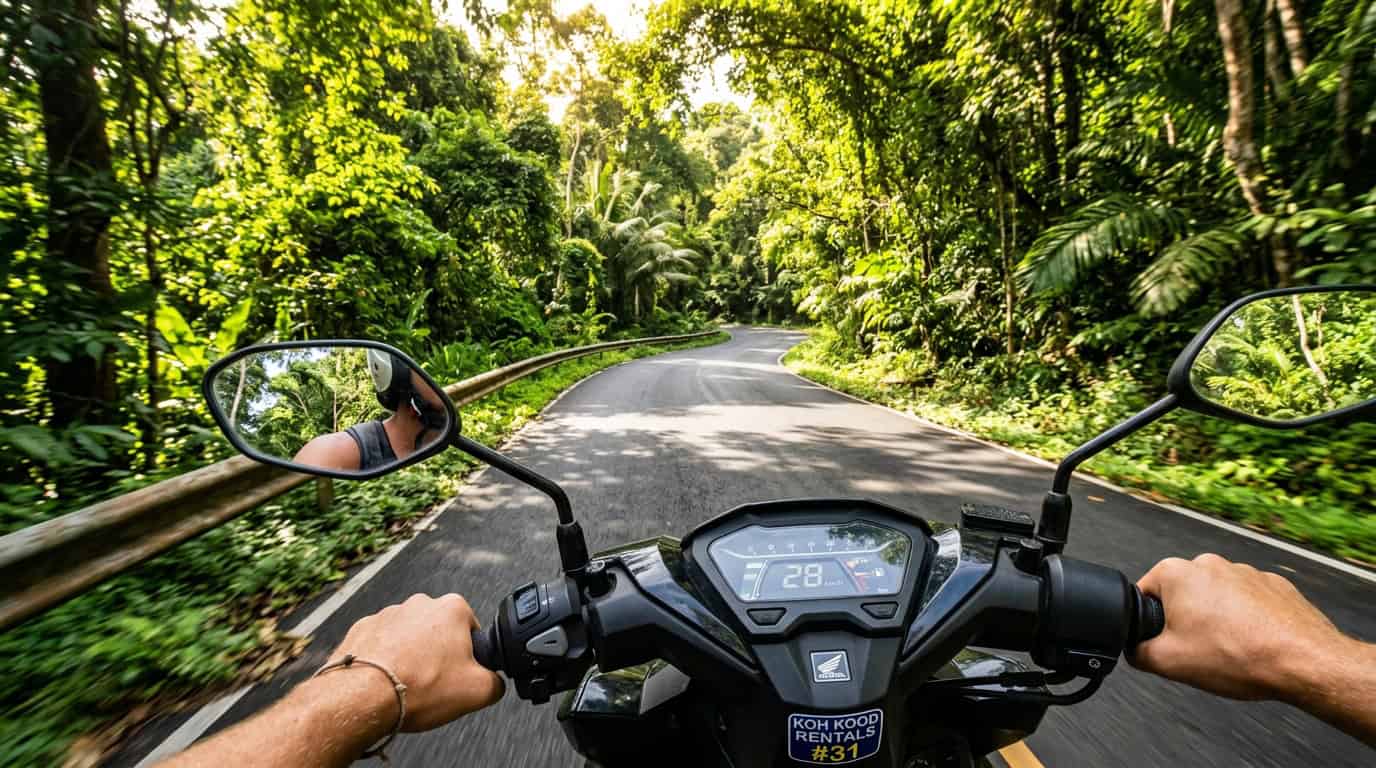
Renting a 125cc automatic scooter is the cheapest and most liberating way to explore the 25-kilometer-long island. Daily rentals cost roughly 250 to 350 THB. Self-serve, coin-operated petrol pumps are scattered along the main road, dispensing fuel for about 50 THB per liter.
When I first rented my bike here, I severely underestimated the terrain. The central spine of the island is incredibly hilly. The main road is paved, but the tracks leading down to secluded beaches like Haad Khlong Hin are steep, sandy, and unpaved. I almost wiped out navigating a gravel curve. Furthermore, the roads are completely unlit at night. If you ride after dark to get dinner, a headlamp or strong flashlight is essential. Legally, you must hold an International Driving Permit (IDP) with a motorcycle endorsement; without it, any travel insurance claim related to an accident will be instantly denied.
Taxis (Songthaews)
There is absolutely no public bus or circulating songthaew network on the island. If you cannot ride a scooter, you are entirely reliant on private resort taxis. These are flatbed trucks with benches in the back, and they are aggressively expensive. A simple 10-minute journey between beaches starts at a non-negotiable flat rate of 300 to 500 THB. If you do not ride a motorbike, budget heavily for transport.
The Best Beaches on Koh Kood
Koh Kood is defined by its west coast, which is a continuous string of deep bays and powdery white sand. Always try to visit the beaches at high tide (typically in the morning) for the best swimming conditions.
Klong Chao Beach
This is the island’s central hub. It features bright emerald water, soft white sand, and a river estuary that feeds directly into the ocean. While it is lined with high-end resorts like Tinkerbell and Peterpan, the beach itself is public. The massive sandbank here is the single best spot on the island for viewing the sunset. You can park your scooter for free off the main road.
Bang Bao Beach
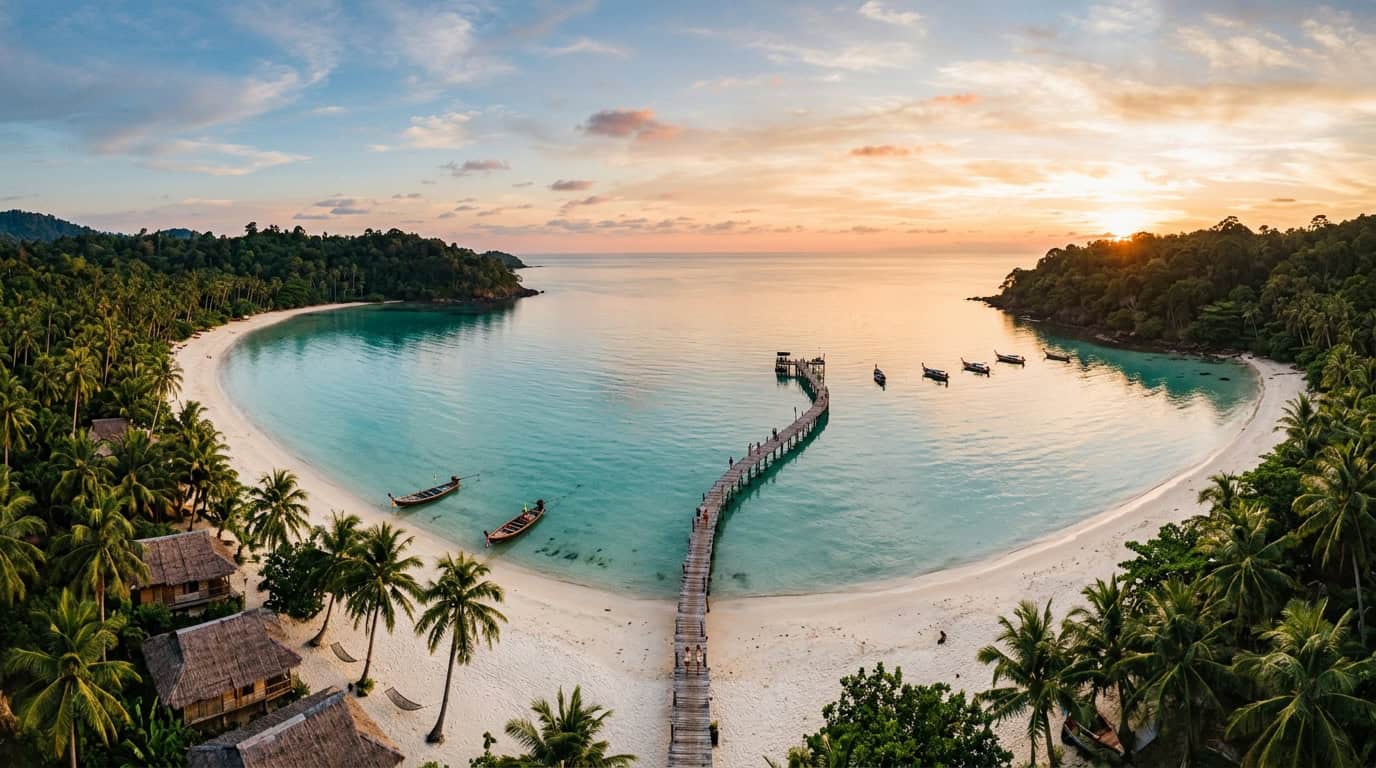
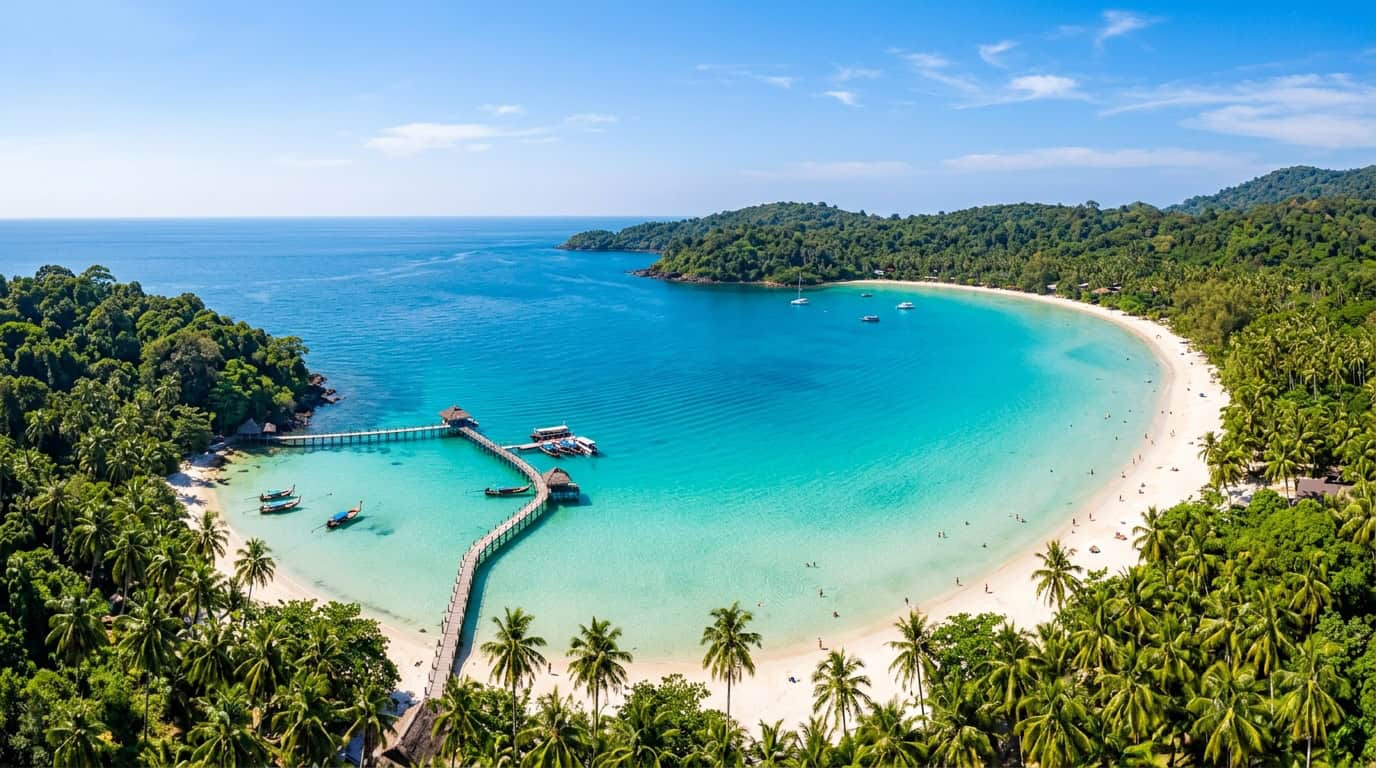
Recently cited as one of the most beautiful bays in the region, this horseshoe-shaped cove is phenomenal. The water transitions from glass-clear near the sand to a deep azure further out. The beach features a long wooden jetty that is perfect for jumping into the water. Because the bay is heavily protected from the wind, the water remains incredibly calm, making it the best shore-snorkeling and paddleboarding spot on the island.
Ao Tapao Beach
This is the longest continuous stretch of pure white sand on the island. It features large wooden vacation swings hanging from palm trees and catamaran netting over the water at certain resorts. You can rent deck chairs from nearby vendors for around 100 THB. The water here is shallow for a long distance, making it incredibly safe for families with small children.
Ao Phrao Beach
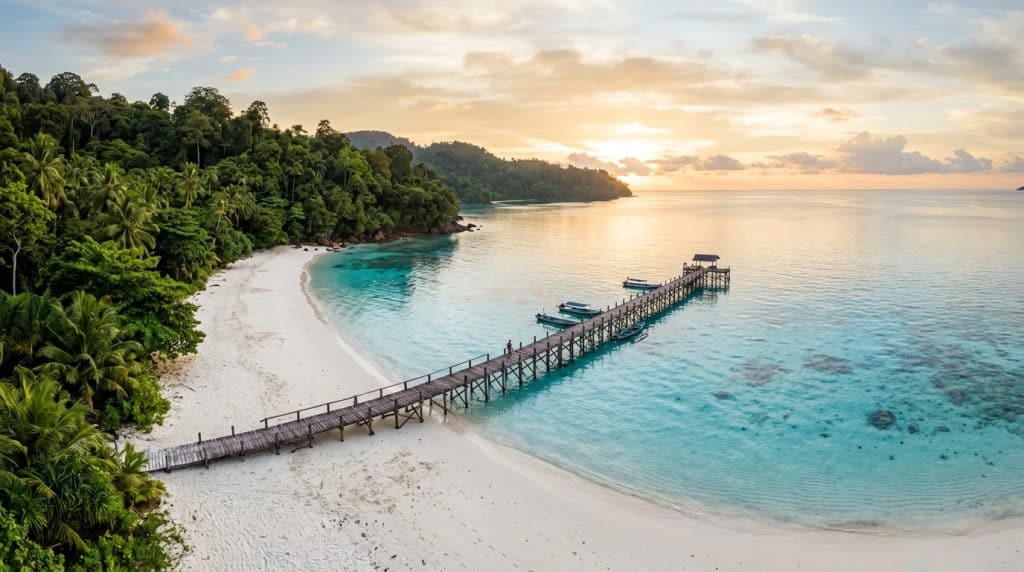
Located in the far south, this beach is a bit of a trek to reach, but the golden sand and suspended hammocks over the water make it entirely worthwhile. It has a slightly more energetic vibe with a few local restaurants. The long wooden pier here is highly photogenic. The waves can be slightly stronger here than in Bang Bao, but the flat seabed makes wading very safe.
Core Activities & Excursions
If you want a break from lounging on the sand, the island interior and surrounding waters offer incredibly rewarding, low-impact activities.
Jungle Waterfalls
There is no entrance fee for any waterfall on the island.
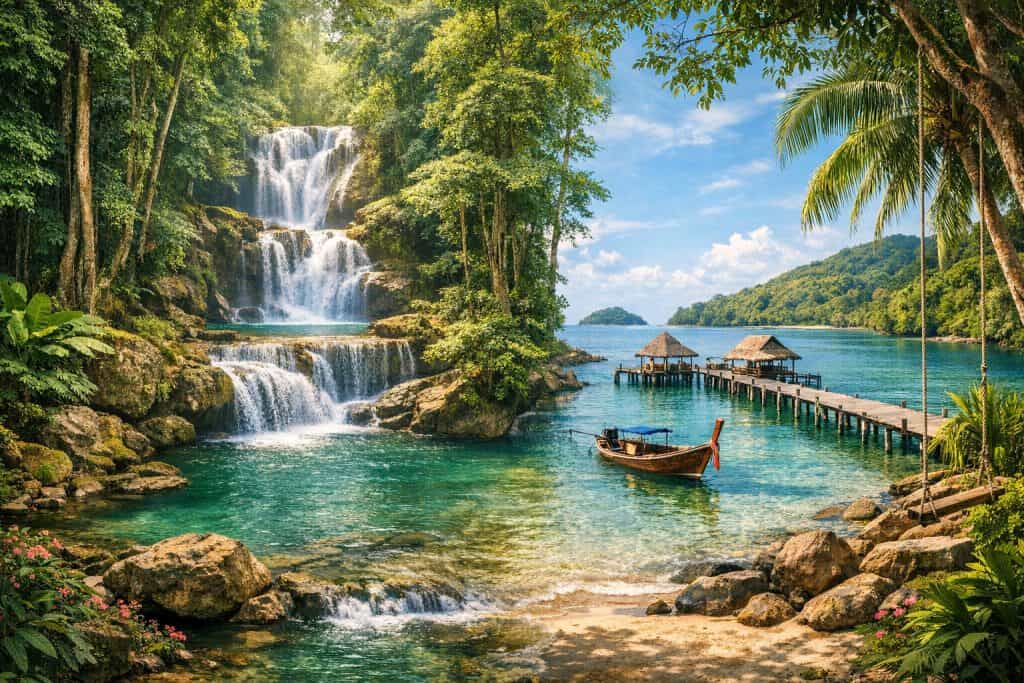
Klong Chao Waterfall: Located just two kilometers inland from the main beach, this is the most accessible spot. The natural pool is large and deep enough to facilitate cliff jumping, and features a classic rope swing. Expert Tip: Arrive precisely at 9:00 AM. You will have the swimming hole to yourself before the afternoon tour groups arrive.
Khlong Yai Kee Waterfall: Tucked away in the north, this requires a steep descent and some boulder scrambling. The deep jungle pool is inhabited by tiny fish that will naturally nibble the dead skin off your toes.
Huang Nam Keaw (Secret Waterfall): A difficult hike through dense rainforest takes you past giant, sacred makka trees, the oldest of which is 500 years old. The access road is very poor, so novice scooter riders should avoid this route.
Scuba Diving and Snorkeling
Koh Kood offers incredibly safe, shallow coral gardens ranging from 5 to 12 meters in depth. While the immediate offshore snorkeling is decent at Bang Bao, serious snorkelers should book a day trip. Most reputable dive centers (like Koh Kood Divers or BB Divers) run daily boats to the nearby Koh Rang National Marine Park, where you can spot sea turtles, moray eels, and pufferfish.
A half-day snorkeling trip costs roughly 1,000 THB. Scuba diving is slightly more expensive here than elsewhere in Thailand, with a two-tank dive costing a flat rate of 3,500 THB across all shops. Note that the marine park requires a daily entry fee of 200 THB for snorkeling and 400 THB for scuba diving, which is rarely included in the tour price.
Visit the Fishing Villages
To see authentic local life, drive to the far eastern side of the island.
Ao Yai Village: This working harbor is built entirely on wooden stilts over the water. It smells deeply of drying squid, salt, and diesel fuel. You will see massive stacks of lobster pots and local fishermen mending nets. This is where you go for the absolute best, cheapest “fisherman-to-table” live seafood.
Wat Ao Salad and the Big Buddha: Located in the northern pier town, this cliffside temple features a massive 20-meter golden Buddha statue. Climb the bell tower for panoramic ocean views. You must adhere to a strict dress code here—cover your shoulders and knees, or you will be turned away.
Accommodation Guide: Where to Sleep
Because the island strictly limits large-scale concrete developments, the accommodation landscape leans heavily toward boutique eco-resorts, family-run bungalows, and ultra-luxury villas. Prices are generally 20% higher here than on the mainland.
Budget Options (500 – 1,500 THB per night)
The Mermaid House: Located near White Beach, this offers highly affordable, clean air-conditioned rooms, excellent on-site food, and free cold filtered water. The interiors are basic (mattresses on raised platforms), but the value is unbeatable.
Chor Chaba: Run by an Australian expat, offering private rooms for around 700 THB. It is centrally located within walking distance of Klong Chao.
Baan Klong Jao Homestay: Offers brilliant mangrove views, hot showers, and free kayak rentals for guests.
Mid-Range Stays (2,500 – 6,000 THB per night)
Koh Kood Resort: Located on Bang Bao Beach. Features beautiful ocean-view pools, on-site kayak and Stand-Up Paddleboard rentals, and incredibly calm swimming waters directly out front.
Seafar Resort: Located on Ao Tapao beach. Offers beautiful beachfront bungalows, an excellent on-site coffee shop, and direct access to the island’s longest beach.
Shantaa Resort: Built in 2003, this meticulously maintained property remains a staple for couples seeking quiet manicured gardens and excellent on-site dining.
Luxury Resorts (10,000+ THB per night)
Soneva Kiri: Widely considered one of the top eco-resorts in Asia. Guests arrive via a private Cessna plane from Bangkok. It features private butlers, multi-bedroom pool villas, and famous “Treepod” dining where food is zip-lined to your suspended bamboo pod. Rates easily exceed $1,000 USD a night.
High Season Pool Villa & Spa: Located on the premium Klong Chao beach. Offers massive, private executive villas constructed from natural materials with highly attentive service.
Food and Dining
If you want fresh crab, deep-fried sea bass in red curry, or garlic shrimp, drive to Ao Yai village in the late afternoon just as the fishing boats return. Noochy Seafood and Chonthicha Seafood are locally regarded as the best spots on the island. A massive meal of seafood fried rice and a perfectly cooked whole fried fish will cost around 500 THB.
For local Thai street eats, the Koh Kood Night Market pops up nightly near Khlong Chao. It is a covered food court featuring a vintage red Thai bus converted into a bar. You can get cheap eats like Pad Kra Pao, crispy fish salad, and BBQ skewers for 15 THB a stick.
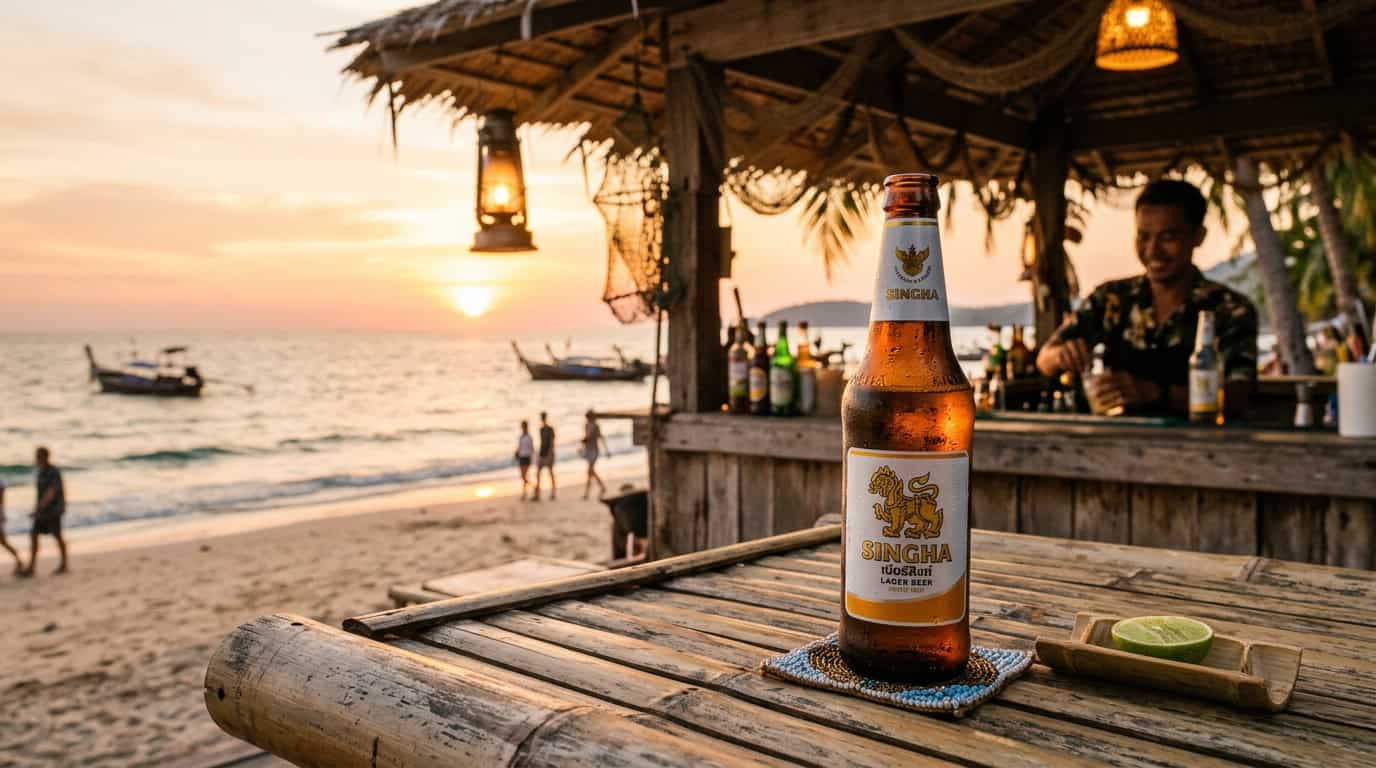
For a Western fix, the Swedish-run Cicci Thai Cooking School & Bakery offers imported cheeses, cold cuts, and gluten-free bread. If you just want a great sunset drink, head to View Point Cafe overlooking the estuary. For a broader Thailand route before or after the island, a practical read on getting around Bangkok also helps with mainland planning.
Daily Cost and Value Breakdown
Thailand is generally cheap, but Koh Kood commands a slight premium due to the logistical costs of importing goods on boats.
Common Mistakes to Avoid
1. Relying entirely on credit cards and assuming ATMs will work.
Cash is king on Koh Kood. Outside of the five-star resorts, credit cards are virtually useless. There are only a handful of ATMs on the island (look for the yellow Krung Sri “Gold” ATMs, which allow up to 10,000 THB withdrawals). However, these machines frequently break down or run entirely out of cash during busy holiday weekends. Withdraw ample Thai baht in Bangkok or Trat before you board the ferry.
2. Ignoring the sandfly situation.
While mosquitoes are standard across Thailand (and malaria is technically present here, so use bug spray), the sandflies on Koh Kood’s southern beaches at dawn and dusk are vicious. Their bites itch intensely for weeks and leave scars. Standard DEET bug spray does absolutely nothing to deter them. You need to buy natural coconut oil and apply it thickly to your ankles and legs; the oil physically traps them and prevents them from biting.
3. Booking the cheapest ferry without checking transfer inclusions.
I made this mistake personally. I booked the cheaper Koh Kood Princess ferry thinking I would save 200 THB on the crossing. However, that specific operator does not include a shared taxi transfer to the west-coast resorts. When I arrived at Ao Salad pier, I was forced to negotiate a private truck taxi for 500 THB just to get to my hotel. It entirely wiped out my savings and cost me an extra hour. Always book Boonsiri or Seudamgo, which explicitly include resort drop-offs in the ticket price.
Who Should Visit Koh Kood (And Who Should Not)
- Couples seeking an incredibly quiet, romantic retreat without the massive crowds and concrete sprawl of Phuket.
- Slow travelers and solo backpackers looking to read, reflect, and disconnect from high-speed digital life.
- Scuba diving beginners who want calm, current-free, shallow waters to obtain their Open Water certification.
- Nature lovers who prefer dense jungle hikes and waterfalls over shopping malls.
- You are on a tight, fast-paced 10-day itinerary. The logistics of getting here will eat up two full days of your trip in transit alone.
- You want active nightlife, shopping streets, and varied entertainment beyond reading a book on the sand.
- You do not know how to ride a motorbike and are traveling on a strict budget.
- You have serious medical conditions. While Ko Kut Hospital can handle minor ailments and scooter scrapes, severe medical emergencies require a speedboat or helicopter evacuation to the mainland.
Frequently Asked Questions
Are there any 7-Elevens on Koh Kood?
No. The island has successfully kept out large corporate convenience stores to protect local businesses. Instead, you will rely on small, locally owned family mini-marts that sell daily essentials, bottled water, snacks, sunscreen, and cold beer.
How many days should I spend on Koh Kood?
The absolute minimum is four full days (three nights), but five to seven nights is the ideal duration. Because transit takes the better part of a day on either end of your trip, staying fewer than four nights makes the journey feel rushed and defeats the island’s slow-paced appeal.
Is Koh Kood better than Koh Chang?
They serve entirely different purposes. Koh Chang is massive, mountainous, highly developed, and features major supermarkets, active nightlife, and varied public transport. Koh Kood is vastly quieter, cleaner, slightly more expensive, and far more isolated. If you want convenience and adventure, choose Koh Chang; if you want pristine nature and silence, choose Koh Kood.
Are there dangerous animals on the island?
The most common wildlife encounter is with macaque monkeys, which actually outnumber humans on the island. While generally afraid of people, they will aggressively steal food left on your scooter or resort balcony. Keep your distance and do not feed them. There are also Golden Tree Snakes in the jungle—they look intimidating but are mildly venomous and generally harmless to humans.
Final Thoughts on Thailand’s Best Kept Secret
Koh Kood is a rare anomaly in modern Southeast Asian travel. It has managed to hold onto the authentic, quiet, community-driven charm that first made Thailand a legendary backpacking destination decades ago. From the squeaky white sands of Klong Chao to the aromatic fishing piers of Ao Yai, the island offers a genuine escape from the hyper-connected world.
Pack plenty of cash, rent a scooter carefully, prepare for a few sandflies with a bottle of coconut oil, and embrace the slow rhythm. If you follow this Koh Kood travel guide, you will experience a version of coastal Thailand that is rapidly disappearing everywhere else. For more route ideas after this island stay, browse trending travel destinations 2026 and best AI travel planners.