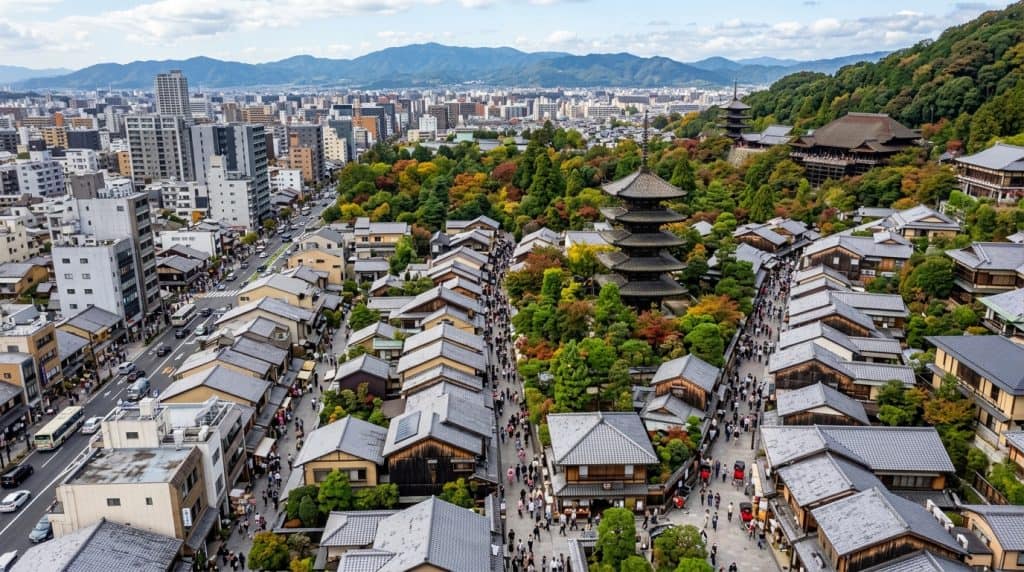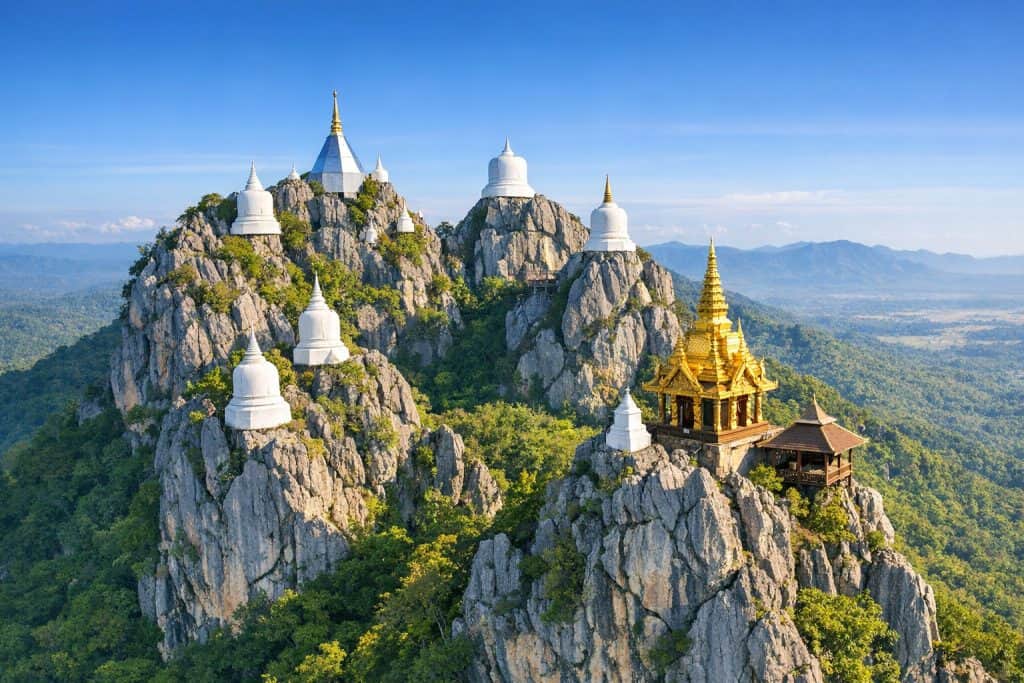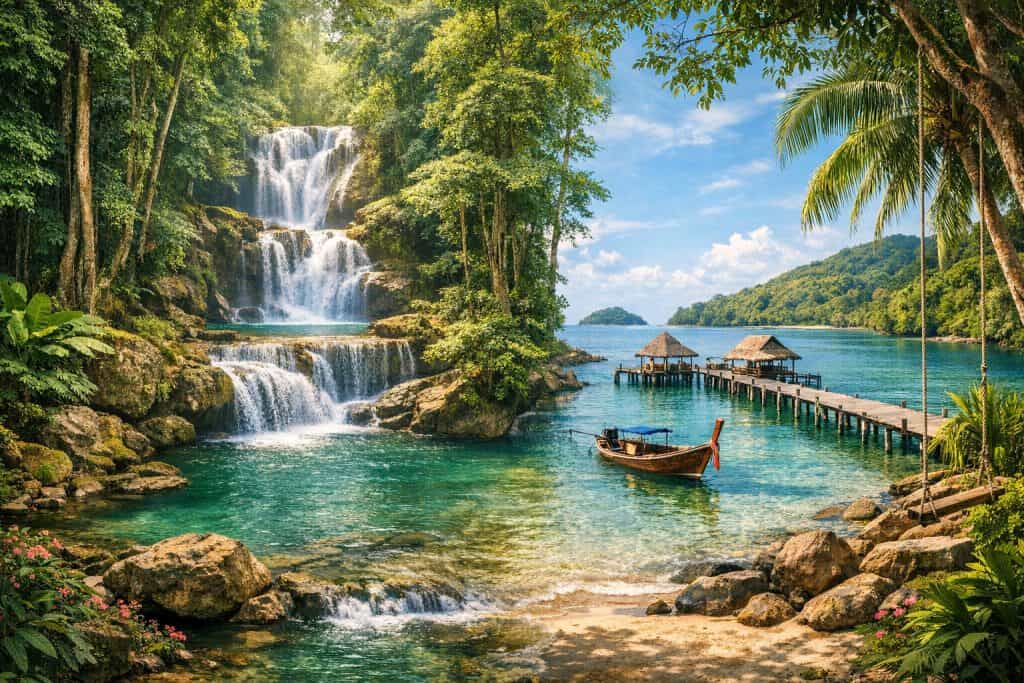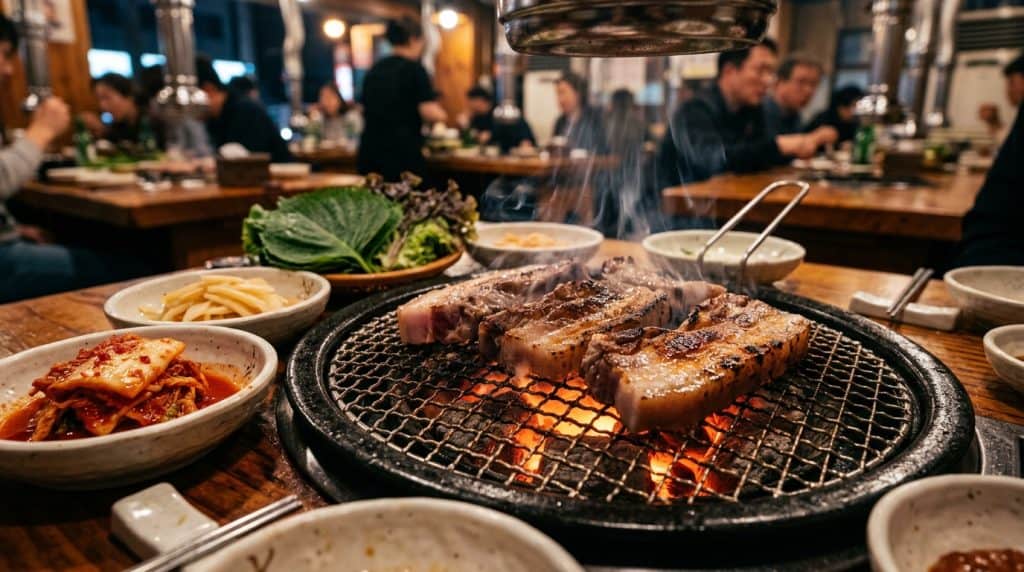
When you start chasing extraordinary bucket list travel experiences, you quickly realize that the standard vacation formula is completely broken. For decades, the tourism industry trained us to race through massive cities, stand in three-hour lines for heavily photographed monuments, and retreat to standardized, sterile hotel chains. We became chronic checklist travelers, frantically crossing off landmarks without actually connecting with the landscape or the local culture. But modern exploration is undergoing a massive shift. True luxury and profound memories no longer come from passive observation from the window of an air-conditioned bus. They come from extreme physical engagement, highly specialized expert guidance, and a willingness to embrace the uncomfortable.
Quick Summary
- Swap generalists for credentialed specialists: Pay the premium for marine biologists, astronomers, and indigenous guides to gain authoritative context you cannot get from a guidebook.
- Manipulate your timing for exclusive access: Arrive at major global landmarks at dawn or during the off-season to bypass the crushing midday crowds.
- Embrace ethical wildlife encounters: Avoid unregulated tourism; instead, invest in highly restricted, permit-based wildlife tracking like Ugandan gorilla treks or Australian whale shark dives.
- Secondary destinations offer superior value: Swap heavily congested regions for robust secondary alternatives, such as choosing Moorea over Bora Bora or Utrecht over Amsterdam.
- Prioritize sensory immersion: The most enduring memories are forged through physical exertion, jarring climate changes, and sensory-heavy cultural rituals.
The Direct Answer: How to Elevate Your Travel
If you want to transform a generic vacation into one of life’s truly extraordinary travel experiences, you must shift your entire priority from observation to participation. Stop allocating your budget toward large-group tours that scrape the surface of five cities in seven days. Instead, concentrate your resources on one or two highly specialized, expert-led activities that occur far outside of peak hours.
Book a private, pre-dawn visit to an ancient ruin before the 9:00 AM tour buses arrive. Hire a credentialed marine biologist instead of a standard boat pilot for wildlife tracking. Force yourself to take an active, physical role—like kayaking a remote fjord or participating in an abrasive traditional bathing ritual. By narrowing your focus to deep, highly specific daily activities, you replace travel exhaustion with genuine, permanent connection.
If you enjoy planning around deeper regional experiences, you might also like
Best Hidden Destinations in Thailand
and
Nusa Penida Travel Guide,
both of which reward slower, more immersive travel styles.
Category 1: Ethical & Immersive Wildlife Encounters
Wildlife tourism often suffers from a severe lack of educational depth, and in the worst cases, it actively harms the animals. The key to securing a life-altering animal encounter is choosing highly regulated, permit-based environments where the animals dictate the terms of the interaction.
Tracking Mountain Gorillas in Central Africa
Mountain gorillas cannot survive in captivity; they require the extreme altitudes of central Africa. To see them, you must traverse the dense, high-altitude forests of the Virunga Mountains. This is a physically demanding trek that can take up to three hours of hacking through thick vegetation before you even spot a family group.
Once you find them, interaction is strictly capped at a single hour to minimize human impact. The financial difference between locations is stark: a one-day gorilla trekking permit in Rwanda costs $1,500, while a permit across the border in Uganda’s Bwindi Impenetrable National Park costs $600. Despite the heavy price tag and physical toll, standing just meters away from a 400-pound silverback in complete silence is widely considered a pinnacle global travel milestone.
Swimming with Whale Sharks (The Right Way)
The location you choose for marine encounters dictates the ethics of the experience. Many travelers flock to Cancun, Mexico, to swim with whale sharks, but this environment is notoriously unregulated, characterized by dozens of chaotic tourist boats aggressively chasing the animals.
Conversely, the Ningaloo Reef in Western Australia—a UNESCO World Heritage site—enforces strict state and federal protections. Operators are legally required to maintain a three-meter distance from the animals, and only a limited number of swimmers are allowed in the water at any given time. Choosing Australia over Mexico guarantees that you witness these massive filter-feeders in a calm, respectful environment.
Expedition Cruising in Antarctica
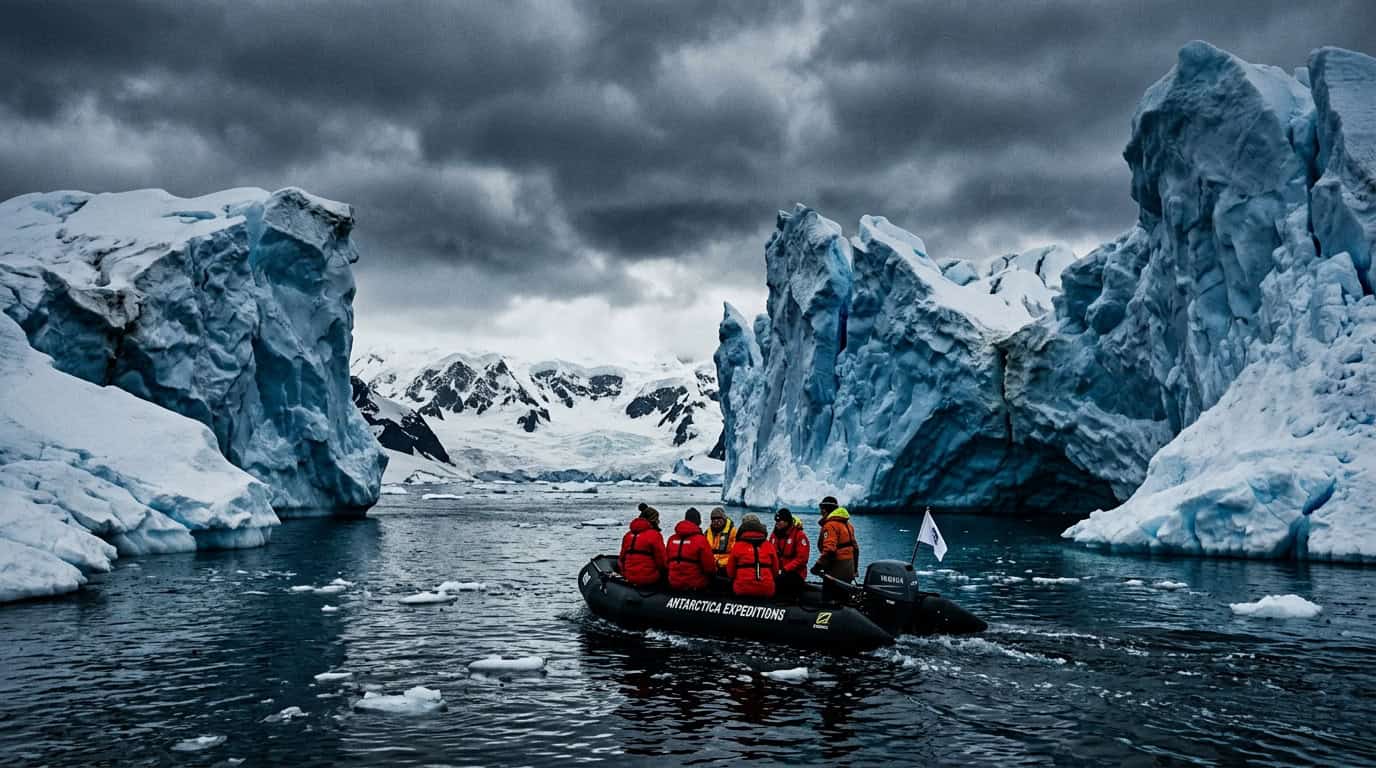
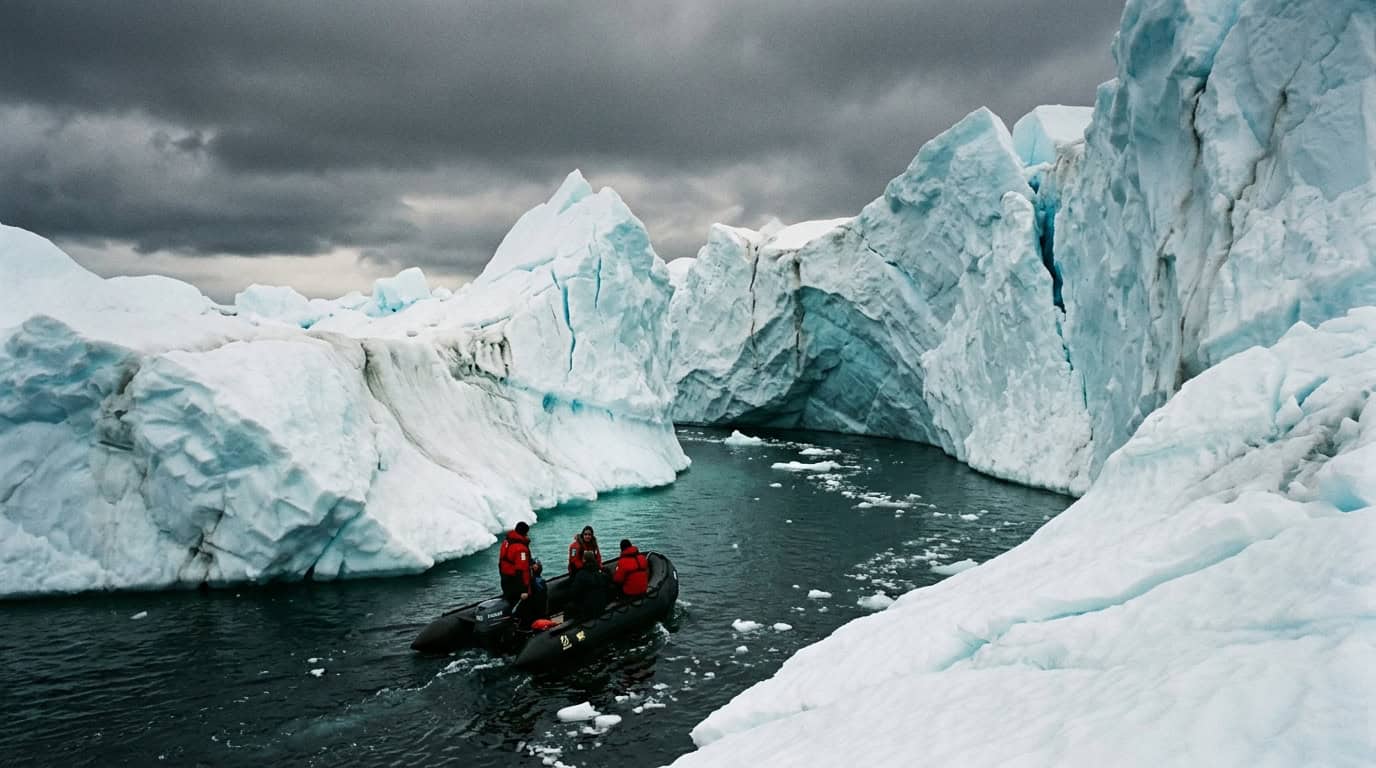
Antarctica remains the ultimate frontier, seeing roughly 40,000 visitors annually compared to the 5 million tourists who crowd into Rome each year. Securing passage on an expedition ship across the notoriously rough Drake Passage requires booking up to a year in advance.
The payoff is a completely pristine ecosystem. You explore the Iceberg Graveyard at Pleneau Bay via small Zodiac boats, float alongside humpback whales that dive for seven minutes at a time, and kayak past leopard seals.
Category 2: Ancient Ruins Without the Crowds
Visiting ancient historical sites often feels like an exercise in crowd management. The architecture is stunning, but it is impossible to absorb the gravity of a 2,000-year-old structure while hundreds of people block your path with selfie sticks.
The Great Wall of China: Timing and Location
Most tourists visiting from Beijing are funneled directly to the Badaling section of the Great Wall. It is accessible, heavily restored, and constantly packed shoulder-to-shoulder.
To capture the isolation the structure deserves, hire a private driver to take you to the Mutianyu section, located about 1.5 hours outside the city. Furthermore, time your arrival for exactly 8:00 AM. You will have an entire hour of complete silence to hike the ancient stone steps before the massive commercial buses arrive at 9:00 AM. As a bonus, you can bypass the cable car and ride a metal toboggan slide all the way down the mountain.
Conquering the Stairs of Petra
Jordan’s Petra—a sprawling Nabataean city carved into red sandstone over 2,000 years ago—is massive. Most visitors walk the narrow, mile-long gorge (the Siq) to see the famous Treasury, take a photo, and leave.
When I visited, the true magnitude of the city only revealed itself when I pushed past the main plaza and attempted the grueling 800-step climb to The Monastery. A massive mistake travelers make is attempting this climb at noon. Save the climb for the late afternoon when the towering rock walls cast deep shadows over the path, dropping the temperature significantly and allowing you to explore the massive facade in relative peace.
Getting Lost in Fez el-Bali
Morocco’s Fez el-Bali is a 1,200-year-old walled medina and the world’s largest urban car-free zone, containing an estimated 9,400 twisting, dead-end passageways. Walking into this labyrinth is a complete sensory overload of raw leather tanning pits, shouting merchants, and donkeys carrying heavy loads of spices.
Do not attempt to navigate this alone on your first day. Hiring a certified local guide for a three-hour orientation provides historical context you cannot possibly glean from a map, and it prevents the deep frustration of getting hopelessly lost in the maze.
Category 3: Pushing Your Physical Boundaries
The human brain forms stronger memories when forced to process physical exertion alongside visual beauty. Passive travel fades; active travel endures.
The Tongariro Alpine Crossing
New Zealand’s Tongariro Alpine Crossing is widely regarded as one of the best single-day hikes in the world. This is a 19.4-kilometer point-to-point trek right through the center of an active volcanic zone.
The hike requires seven to nine hours of continuous walking, culminating at the Red Crater, which sits at an elevation of 1,886 meters. The landscape is entirely devoid of trees, featuring stark, rust-colored soil, steaming sulfur vents, and striking emerald-colored crater lakes. Because weather conditions change rapidly, preparation is non-negotiable, and you must rely on a coordinated one-way shuttle service to get back to your starting point.
Table Mountain’s “Tablecloth” Rule
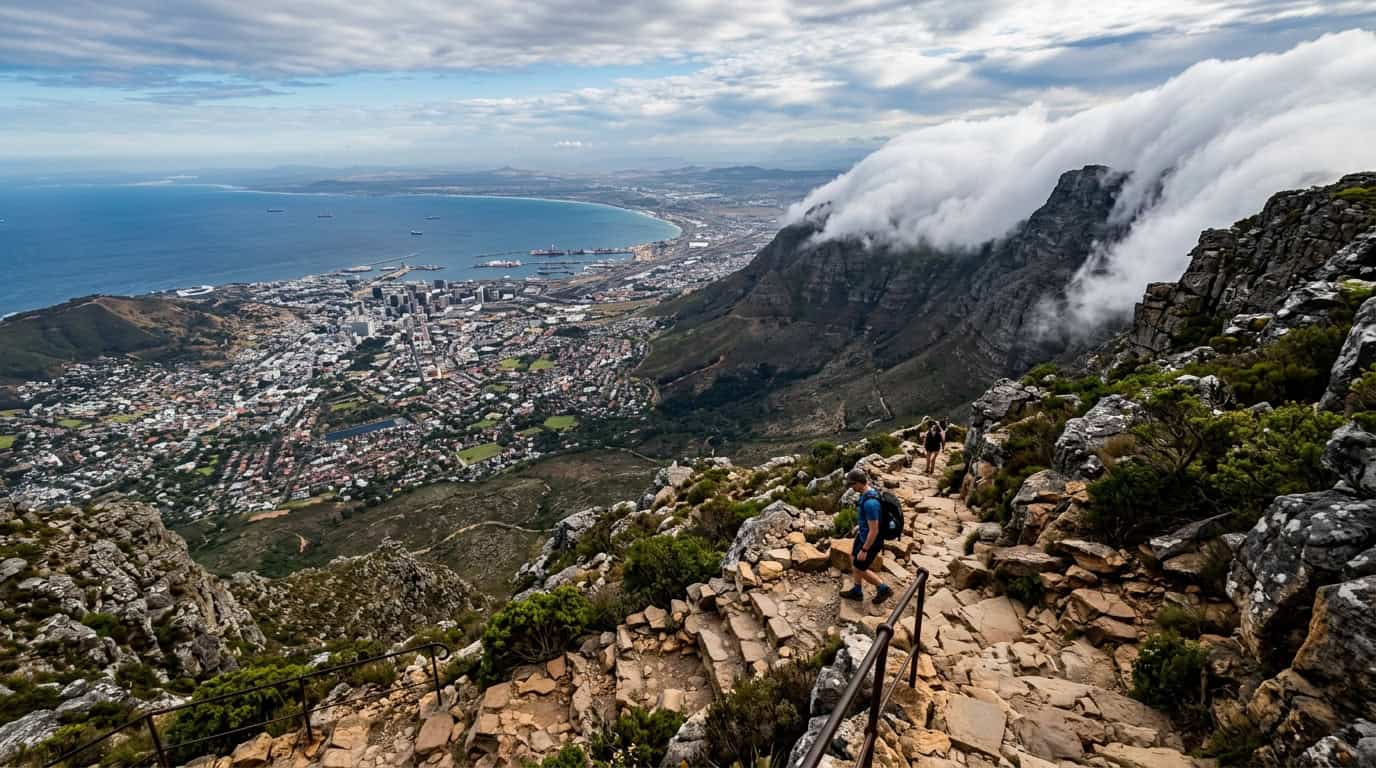
Cape Town, South Africa, is dominated by Table Mountain. Scaling it via the Indian Venster trail involves scrambling over massive boulders and using embedded staples and chains to pull yourself up steep rock faces.
I once made the massive mistake of waiting until my third day in the city to attempt the ascent, assuming the weather would hold. I fell victim to the famous tablecloth—a dense, rapid cloud formation that rolls directly over the flat top of the mountain, dropping visibility to zero and shutting down the descent cable cars. The strict rule for Table Mountain is to attempt it on the very first clear day of your itinerary. Never defer it.
Category 4: Ultimate Luxury and Sensory Resets
Sometimes, extraordinary travel experiences are defined not by physical hardship, but by extreme, highly curated contrasts in your environment.
Pop-Up Dinners in the Okavango Delta
Botswana operates on a strict low-impact, high-value tourism model. The government severely caps the number of beds and vehicles allowed in the vast Okavango Delta, resulting in high prices but unmatched exclusivity.
After a long day of tracking leopards and hippos from a rugged 4×4, the ultimate sensory contrast is a surprise pop-up dinner in the bush. Imagine being driven out to a remote clearing as the sun sets, where guides have set up a full bar around an ancient tree, a roaring bonfire, and a multi-course meal cooked over open coals. The extreme luxury of the table setting combined with the natural acoustic soundtrack of distant elephants trumpeting creates a jarring, unforgettable psychological contrast.
The Abrasive Shock of a Moroccan Hammam
If you want to understand how different cultures approach wellness, skip the standard Swedish massage and book a traditional 8th-century Hammam bathing ritual in Marrakech.
This is not a gentle experience. You lie on a hot, wet stone platform in a steam-filled room while a therapist applies traditional black soap and scrubs your skin with a highly abrasive Kessa mitt. The scrub is harsh enough to make your eyes water. Warm water is unexpectedly thrown across your body, and the entire ritual often concludes with a shocking plunge into an ice-cold bath. It is intense, slightly uncomfortable, and leaves you feeling entirely invigorated.
The True Cost of Extraordinary Travel
Heavily customized, remote, or highly regulated travel requires a different budget framework than standard city-hopping. Here is a realistic breakdown of what specific global milestones cost, highlighting areas where you can optimize your spend.
Note: Baseline prices typically exclude international airfare and vary widely based on seasonal demand.
Common Mistakes to Avoid
Even with an unlimited budget, it is remarkably easy to dilute the value of your trip through poor planning.
Mistake 1: Defaulting to Primary Hubs Over Secondary Alternatives
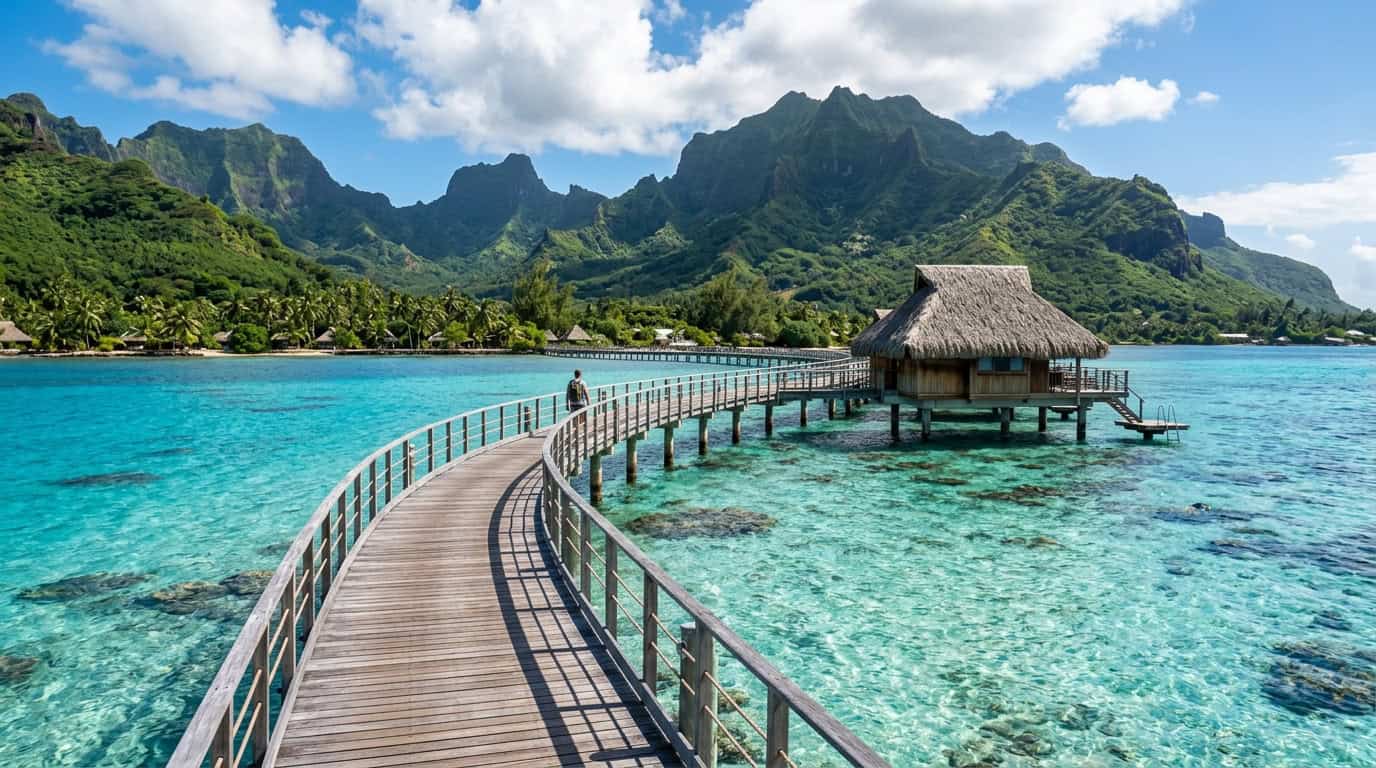
Overtourism is destroying the charm of major global capitals. A massive mistake is fighting the crowds in Amsterdam when you could take a short train ride to Utrecht, which offers the same stunning canal architecture—complete with unique two-level medieval cellars—without the crushing density of tourists. Similarly, travelers pay massive premiums for Bora Bora, ignoring the neighboring island of Moorea, which offers superior hiking, authentic local culture, and equally stunning overwater bungalows.
Mistake 2: Refusing to Disconnect from Digital Cacophony
If you book an exclusive wildlife safari in Namibia or a remote wellness retreat in Bali, and you spend the entire time looking at the landscape through your phone screen, you have wasted your money. Many premium experiences, like the Waitomo Glowworm Caves in New Zealand, legally ban cameras and phones because external light kills the bioluminescence. The inability to digitally document an experience forces you to actually live it. Leave the phone in your hotel safe for at least one full day of your trip.
Who Should Pursue This Travel Style (And Who Should Not)
This approach is ideal for:
Travelers experiencing severe burnout from traditional, fast-paced checklist tourism.
Individuals who need to aggressively disconnect from demanding corporate jobs by forcing their brains to focus entirely on physical, analog tasks like kayaking or high-altitude hiking.
Those willing to allocate a larger financial budget into a shorter, but significantly deeper and more exclusive, regional trip.
You might want to skip this if:
Your primary goal is absolute physical rest, such as lying motionless on a beach reading a book for ten straight days without interruption.
You detest unpredictability. Encountering wild animals, dealing with shifting glacier caves, or waiting for mountain cloud cover to break inherently involves failing, waiting, or altering plans on the fly.
- You have a highly restrictive budget; securing credentialed specialists and strictly capped environmental permits costs considerably more than joining a standard 50-person coach tour.
Frequently Asked Questions
How far in advance do I need to book permit-based travel experiences?
It depends on the destination, but the timeline is often longer than people expect. The Inca Trail in Peru requires booking six to eight months in advance due to strict daily caps. Antarctic expedition cruises often sell out their best-tier cabins up to a year in advance. Do not assume you can book premium wildlife or trekking encounters upon arrival.
Are these types of extreme trips safe for older travelers?
Yes, provided you align the excursion with your specific physical baseline. While a 19-kilometer hike across an active volcano in New Zealand is physically demanding, taking a private helicopter sundowner in Utah or viewing the Northern Lights via a calm boat charter in Iceland offers maximum sensory impact with minimal physical exertion. Always consult operators regarding mobility requirements.
How do I avoid contributing to overtourism at these famous destinations?
Prioritize regenerative tourism destinations that cap visitor numbers and reinvest heavily in local infrastructure. Botswana’s safari model is a prime example. Furthermore, shift your travel to the shoulder season or winter. Visiting the Amalfi Coast in January or attempting the Great Wall of China at dawn spreads the economic impact while giving you a vastly superior personal experience.
Why are guides mandatory for so many of these locations?
Governments are cracking down on historical degradation. Places like Easter Island (Chile) and the Inca Trail (Peru) now strictly require certified local guides to ensure tourists do not wander off-trail, damage fragile ecosystems, or disrespect ancestral sites. Beyond the rules, a local guide translates the environment for you, turning a pile of rocks into a 2,000-year-old story.
Conclusion
Chasing extraordinary travel experiences requires intentionally leaving the safety and predictability of your comfort zone behind. It demands that you wake up in the freezing dark to watch a volcano sunrise, physically exert yourself on high-altitude trails, and invest in the specialized knowledge of local experts rather than relying on a free smartphone app. The ultimate reward is a travel history defined by vivid, deeply ingrained sensory memories rather than a camera roll full of crowded, identical monuments.
Stop treating travel as a passive checklist of locations to observe. Pick one highly specific, physically engaging activity to anchor your next itinerary, and start traveling to actually participate in the world.
For readers building a broader inspiration cluster, connect this post with
Best Bucket List Travel Destinations,
Trending Travel Destinations 2026,
and
Best AI Travel Planners
for stronger itinerary research and internal navigation.