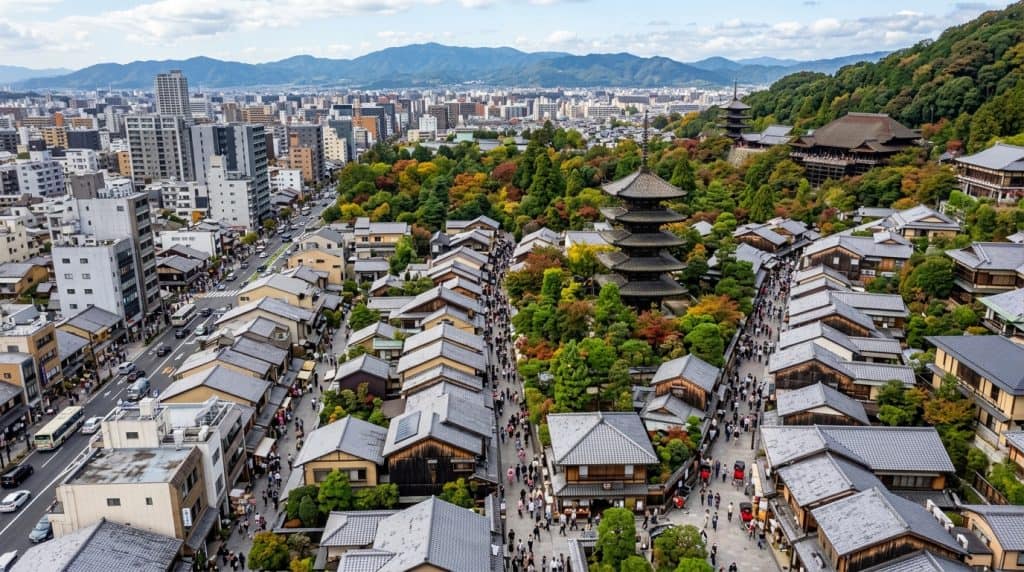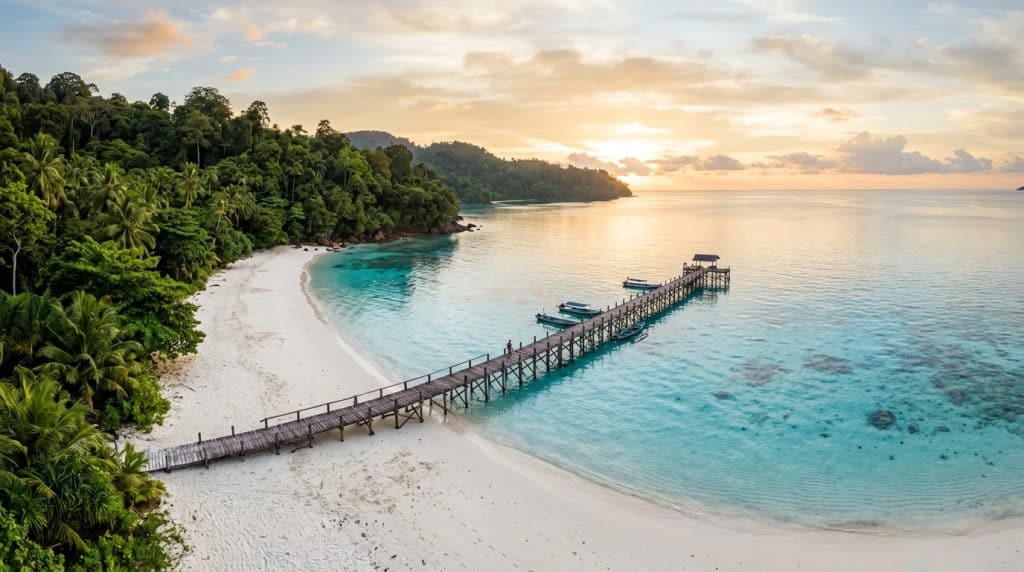
When planning a trip beyond the typical tourist circuit, finding authentic, offbeat Thailand destinations requires knowing exactly where to look. While casual tourists flock to crowded beaches in Phuket or packed temples in Chiang Mai, seasoned travelers are increasingly charting routes to lesser-known provinces. You might hear whispers of Rayong for its massive seafood markets, Mae Kampong for its cool mountain retreats, Khanom for its rare pink dolphins, or the shadow theatre heritage of Nakhon Si Thammarat.
But if you want to experience a fascinating intersection of global economics, raw history, and agricultural abundance, you need to head 250 kilometers southeast of Bangkok to the twin provinces of chanthaburi and Trat. These two regions have quietly controlled the global colored gemstone market for decades, and they offer a travel experience entirely devoid of standard resort-town clichés.
Quick Summary
The Global Hub: Chanthaburi processes an estimated 80% of the world’s exported rubies and sapphires, operating as a massive, decentralized cottage industry.
Shift in Sourcing: Local ruby mines were depleted decades ago; today, rough stones are imported from Africa and Madagascar to be cut and heat-treated here.
Unique Trading Mechanics: The weekend gem market (Talad Ploy) allows independent buyers to rent desks and negotiate directly with brokers representing off-site owners.
Trat’s Evolution: After exhausting its famous “Siamese Ruby” deposits, neighboring Trat successfully pivoted to agro-tourism, now producing 46% of Thailand’s durian supply.
Getting There: Located just four hours by bus from Bangkok, this southeastern corridor offers a highly accessible alternative to northern mountain treks.
The Direct Answer: Why Visit the Southeast Corridor?
If you are researching offbeat Thailand destinations to escape commercialized tourism, you should bypass the crowded southern islands and travel southeast to Chanthaburi and Trat. You do not need to be a professional jeweler to find value here. These provinces provide a rare look into a specialized, multi-billion-dollar global industry operating right out of street-side stalls.
Instead of paying inflated retail prices for jewelry in Bangkok or the West, you can navigate the traditional Talad Ploy (weekend gem market) in Chanthaburi to purchase wholesale sapphires, spinels, and tourmalines at fractions of their retail cost. Beyond the trading desks, this region offers deep cultural history—from Thailand’s largest Catholic cathedral adorned in locally mined sapphires to Trat’s massive durian plantations and geological museums. It is a region that survived the complete depletion of its natural resources by upskilling its workforce, creating a travel experience rooted in resilience and real-world commerce rather than staged tourist attractions.

The Rise of Chanthaburi: The World’s Colored Gem Capital
To understand the appeal of the region, you have to understand its geology and history. Thailand’s relationship with precious stones stretches back to the 1400s. Early 15th-century foreign visitors documented local farmers accidentally turning up fabulous rubies and sapphires while plowing their fields. The local geology, consisting primarily of alkaline basalt, held rich corundum deposits at depths ranging from 1 to 15 meters, depending on ancient lava flows.
However, the modern era of Chanthaburi—whose name translates to “City of the Moon”—began with a massive geopolitical shift in 1962. A military coup d’état in neighboring Burma (Myanmar) resulted in the nationalization of the Burmese gem mines. This event effectively severed the global supply of the world’s most coveted rubies overnight. The international jewelry market panicked and immediately shifted its attention to Thailand.
Chanthaburi and Trat experienced an unprecedented mining boom, quickly earning the title of “Ruby Capital of the World.” But this explosive growth came at a severe cost. Intense, mechanized mining operations tore through the volcanic soil near sites like Khao Ploy Waen (“Hill of Gems”). Within roughly 40 years, the local ruby deposits were almost entirely depleted.
The Pivot to Processing
Rather than letting their economy collapse, the locals adapted. By the 1980s, local factories developed highly advanced, proprietary techniques for heating lower-quality gemstones to artificially enhance their color and clarity. These specialized artisans, known locally as “burners,” transformed the city from a mining extraction town into an international processing hub.
Today, the numbers are staggering. In 2015 alone, Thailand exported roughly $1.42 billion worth of gemstones. The gems and jewelry sector is Thailand’s third-largest export industry, employing over a million people nationwide. An estimated 80% of all globally exported colored gems—rubies, sapphires, tourmalines—pass through Chanthaburi to be cut, treated, and traded.
Navigating the Talad Ploy: The Weekend Gem Market
If you want to buy precious stones, you have to play by the rules of the local market. The processing of gemstones here is entirely a cottage industry, dominated by small, multi-generational family businesses rather than massive corporate conglomerates. Because these small operations focus heavily on the technical aspects of cutting and polishing, they rely on the street market for distribution.
The traditional market, known as the Talad Ploy, operates primarily at the intersection of Si Chan Road (colloquially called “Gems Street”) and Tessaban Road. Peak trading happens on Fridays and Saturdays.
How the Inverted Market Works
The mechanics of this market are completely inverted compared to Western retail. Instead of sellers setting up stalls and waiting for buyers to browse, the buyers are the ones who remain stationary.
When I first visited the Talad Ploy, I was completely overwhelmed by the chaos. To participate, you must rent a trading desk within an open storefront. You sit at the desk, turn on your inspection lamp, and post a sign—usually written in Thai—detailing your exact requirements. For example, your sign might ask for “round brilliant cut blue sapphires, 1-2 carats.”
Soon, individuals carrying heavy shoulder bags will approach your desk. These people, dressed unassumingly in t-shirts and sandals, are carrying hundreds of thousands of dollars worth of inventory.
Brokers, Owners, and The Art of Negotiation
One of the most fascinating aspects of this market is the strict hierarchy. The person standing at your desk showing you the stone is rarely the actual owner. They are brokers acting as legal representatives.
Negotiation here is fierce and absolutely mandatory. A broker will state an initial price that is heavily inflated. As a rule of thumb, the final negotiated price might land at roughly 40% of their initial asking price. If you make a competitive counter-offer, the broker will carefully wrap the stones, write your name and offer price on the package with tape, and step away to call the actual owner.
Owners, who remain off-site, might accept a surprisingly low offer if they need quick cash flow or if they have already covered their costs and secured a profit on previous sales from that specific lot of stones. Once the owner says yes, the deal is done.

Trat Province: Siamese Rubies and The Agro-Tourism Shift
Just slightly further southeast lies Trat, a province that experienced its own massive gem rush starting in 1973. Miners chased the legendary pink and red “Siamese Ruby,” associated with alkali-olivine basaltic rocks in areas like Bo Rai and Nong Bon.
The mining here was so aggressive that the entire region’s supply was exhausted in just 25 years. However, the history is still palpable. In 1985, an incredible 150-carat rough ruby was pulled from the dirt in Trat, cementing the region’s legacy.
The Rise of Agro-Geo Tourism
Today, Trat has pivoted brilliantly into what Dr. Pornsawat Wathanakul, Director of the Gem and Jewelry Institute of Thailand, calls the “Agro-Geo” model. Recognizing that the mines were empty, locals shifted their focus to agriculture and historical preservation.
Trat is now an agricultural powerhouse. The province produces 46% of Thailand’s durian fruit, accounting for a staggering 27% of total global durian production. Travelers visiting the region can explore Jewel City (Mueang Anyamani Museum) in Bo Rai, founded by Prasert Samranjit. The museum features high-quality wax figures demonstrating the complete history of mining, burning, and trading.
Instead of buying raw stones pulled from the earth yesterday, tourists support the local economy by purchasing older, locally polished inventory, woven leaf baskets, traditional “Yellow Oil,” and vast amounts of fresh agricultural produce.
Sourcing Success: A Case Study in Value
Why go through the trouble of traveling four hours by bus, renting a desk, and haggling in broken Thai? Because the financial upside is massive. By purchasing directly at the source, buyers bypass long, expensive jewelry supply chains that add massive markups at every step.
During my last buying trip, I set out looking for unique sapphire cuts. I ended up haggling aggressively for a 2.25ct Pastel Purple Sapphire with a crisp round brilliant cut. The seller was a Sri Lankan dealer who frequently travels to Thailand to trade—highlighting the truly international nature of the market. After a lively 20-minute negotiation, we settled on a price. When that same stone was eventually mounted and listed in a Western retail market, it carried a valuation of $4,470.00. The margin available when you buy directly in Chanthaburi is unparalleled.
Cost & Value Breakdown: Bangkok vs. Chanthaburi
If you are evaluating whether this detour makes sense for your budget, here is a realistic look at the costs associated with visiting this region compared to standard luxury retail or traditional tourist islands.
Expense CategoryTourist Hub (Bangkok/Phuket)Offbeat Route (Chanthaburi/Trat)NotesTransport (from BKK)$10 – $50 (Flights/Taxis)$7 – $12 (Bus from Ekkamai)The 4-hour bus ride is reliable and air-conditioned.Accommodation (per night)$80 – $250+$25 – $60Boutique hotels near Si Chan road are highly affordable.Gemstone Markups200% – 400% retail markup0% (Wholesale market rate)You pay a 10-15% commission to the desk owner, baked into the final price.Gem CertificationTakes days, $100+1-2 hours, $20 – $40The modern local lab offers rapid turnaround for buyers.
Common Mistakes to Avoid
Navigating specialized markets requires preparation. Here are two massive errors first-time visitors consistently make:
1. Assuming the Rough Stones Are Mined Locally
Many tourists arrive expecting to buy buckets of rough rubies freshly dug from Thai soil. I made the mistake of assuming the rough stones I saw on my first trip were local. They are not. The original Siamese Ruby is virtually extinct from a primary mining perspective. The rough stones you see being traded in the market have been imported—primarily from Africa and Madagascar—specifically to take advantage of Chanthaburi’s superior cutting and heating infrastructure.
2. Accepting the First Price Offered
The Talad Ploy is not a retail store; it is a trading floor. The initial price a broker quotes you is heavily padded to leave room for negotiation. If you accept the first price, you are wildly overpaying. You must haggle aggressively but respectfully. Aim for a final price around 40% to 50% of the initial ask.
Who Should Visit (And Who Should Not)
Deciding to add the southeast corridor to your itinerary depends heavily on your travel style.
This destination is highly recommended for:
Jewelry Enthusiasts & Independent Designers: If you want to source sapphires, rubies, or spinels at wholesale prices, this is the most important market in the world.
Geology and History Buffs: The transition from a mining town to a processing hub, combined with sites like the sapphire-covered Virgin Mary at the Cathedral of the Immaculate Conception, offers incredible historical depth.
Travelers Seeking Real Commerce: If you are tired of sanitized walking streets selling cheap souvenirs, the genuine, high-stakes commerce of the Talad Ploy is thrilling.
You might want to skip this if:
You only want pristine resort beaches: While Trat has access to islands like Koh Chang, the mainland provinces themselves are working agricultural and industrial regions, lacking the polished resort infrastructure of Phuket or Koh Samui.
You hate negotiating: Buying anything of value here requires intense, sometimes prolonged haggling. If you prefer price tags and quiet transactions, the gem market will frustrate you.

Frequently Asked Questions
How do I overcome the language barrier at the gem market?
Unless you speak fluent Thai, negotiating directly is difficult. Most serious buyers hire a local translator or work through an established gem broker’s office. The broker will help write your requirement signs in Thai and manage the rapid-fire verbal negotiations with the sellers who approach your desk.
Is there a risk of buying fake stones?
Yes, there is always a risk when buying unverified stones on the street. However, Chanthaburi has recently built a modern gem trade center located just blocks from the traditional market. They feature an on-site gemological laboratory that can produce reliable identification reports in just one to two hours, allowing you to verify high-value purchases before leaving town.
Can I still visit the old mining sites?
Mining for sapphires still occurs on a very small, mechanized scale in volcanic areas like Khao Ploy Waen. You can visit these areas, often by taking a detour near Wat Plub (the Persimmon Temple). However, you usually need to hire a local taxi or driver, as the dirt roads leading to the active washing basins and jigs are impassable for standard tour buses.
What else is there to do besides looking at gems?
The integration of agro-tourism means you can spend days exploring the massive fruit orchards in Trat. The region is famous for its durian, mangosteen, and rambutan. You can also visit Wat Saen Tum to see unique columnar basaltic rock formations, or explore the distinct French-Vietnamese architecture scattered throughout Chanthaburi’s old town.
Conclusion
When exploring offbeat Thailand destinations, few regions offer the authentic grit and economic significance of Chanthaburi and Trat. These provinces successfully pivoted from the devastation of exhausted natural resources to become the undisputed global leaders in gemstone processing and agricultural production. Whether you are aiming to source a perfect sapphire directly from a market broker, or you simply want to wander through a region where real, multi-million dollar international trade happens on dusty street corners, the southeast corridor delivers an experience you cannot find anywhere else in the country. Skip the crowded tourist traps, take the four-hour bus ride from Bangkok, and prepare to negotiate.