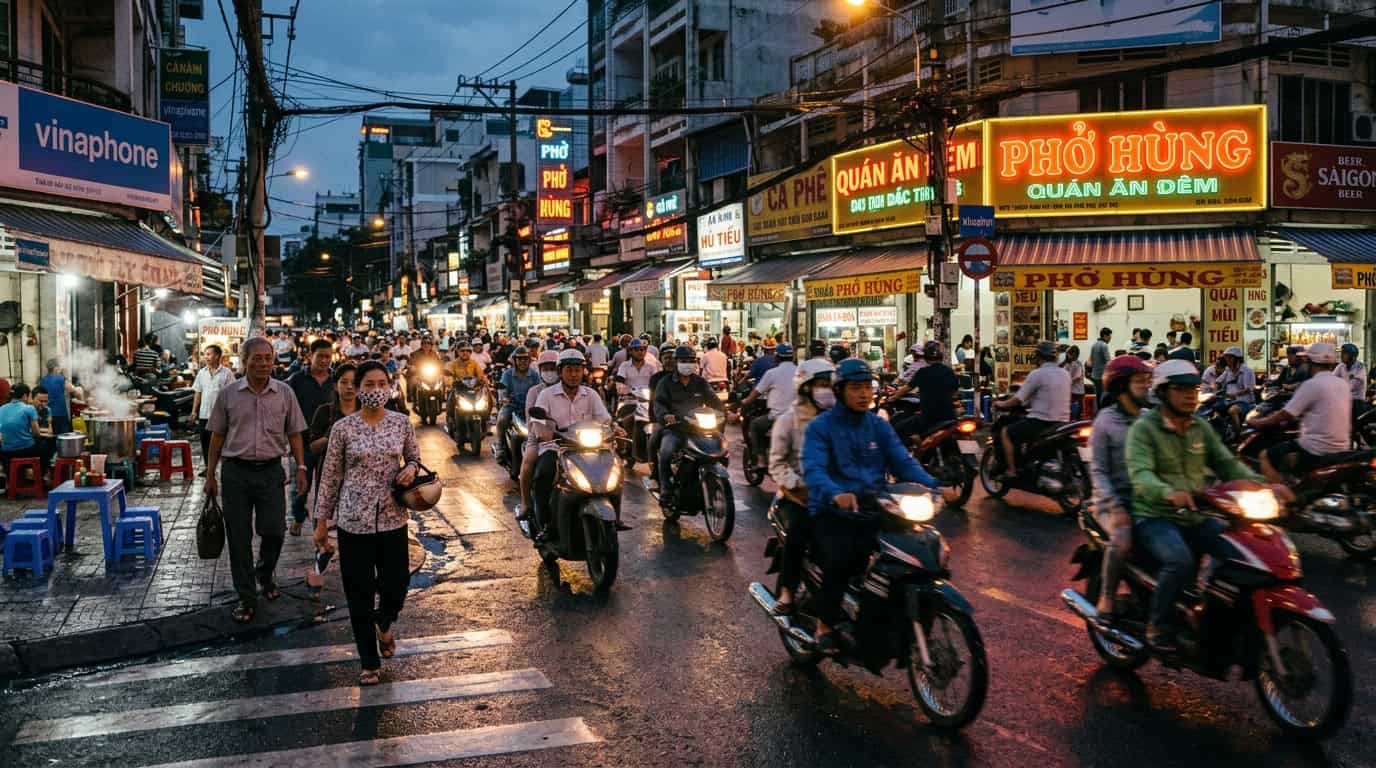
Finding a reliable Ho Chi Minh City travel guide is absolutely critical before you step out of Tan Son Nhat International Airport into a wall of 90-degree tropical heat. Formerly and still widely known as Saigon, this southern Vietnamese megalopolis of over 14 million people does not offer a gentle introduction. The air smells simultaneously of slow-roasting pork, fish sauce, and heavy diesel exhaust. Thousands of motorbikes dominate the asphalt, swarming like bees around cars and pedestrians. When I first visited, the sheer volume of noise and motion overloaded my senses completely.
However, once you understand the logistics, the unwritten rules of the road, and the rhythm of the local culture, this sprawling urban epicenter transforms from intimidating to deeply intoxicating. If you are building a wider Vietnam route, this pairs naturally with
Best Places to Visit in Vietnam
for destination planning beyond the city.
Quick Summary
- Best Time to Visit: Target the dry season (December to April) to avoid the intense daily monsoon downpours that flood the low-lying streets.
- Essential Apps: Download the Grab ridesharing app and secure a Viettel local SIM card immediately upon arrival for reliable navigation.
- Strategic Accommodation: Base yourself in District 1 for maximum walkability to historical sites, or District 3 for a quieter, more authentic local food scene.
- Crucial Prep: Apply for your e-visa well in advance; the dates are strictly enforced and offer zero room for spontaneous itinerary changes.
- Cash is King: While hotels accept cards (often with a 3% surcharge), you need cash (Vietnamese Dong) for street food, small cafes, and market haggling.
The Direct Answer: What You Need to Know Before You Land
If you are actively planning a trip, the most vital piece of advice I can offer is to respect the scale and the extreme climate of this metropolis. You cannot simply show up and figure it out on the fly.
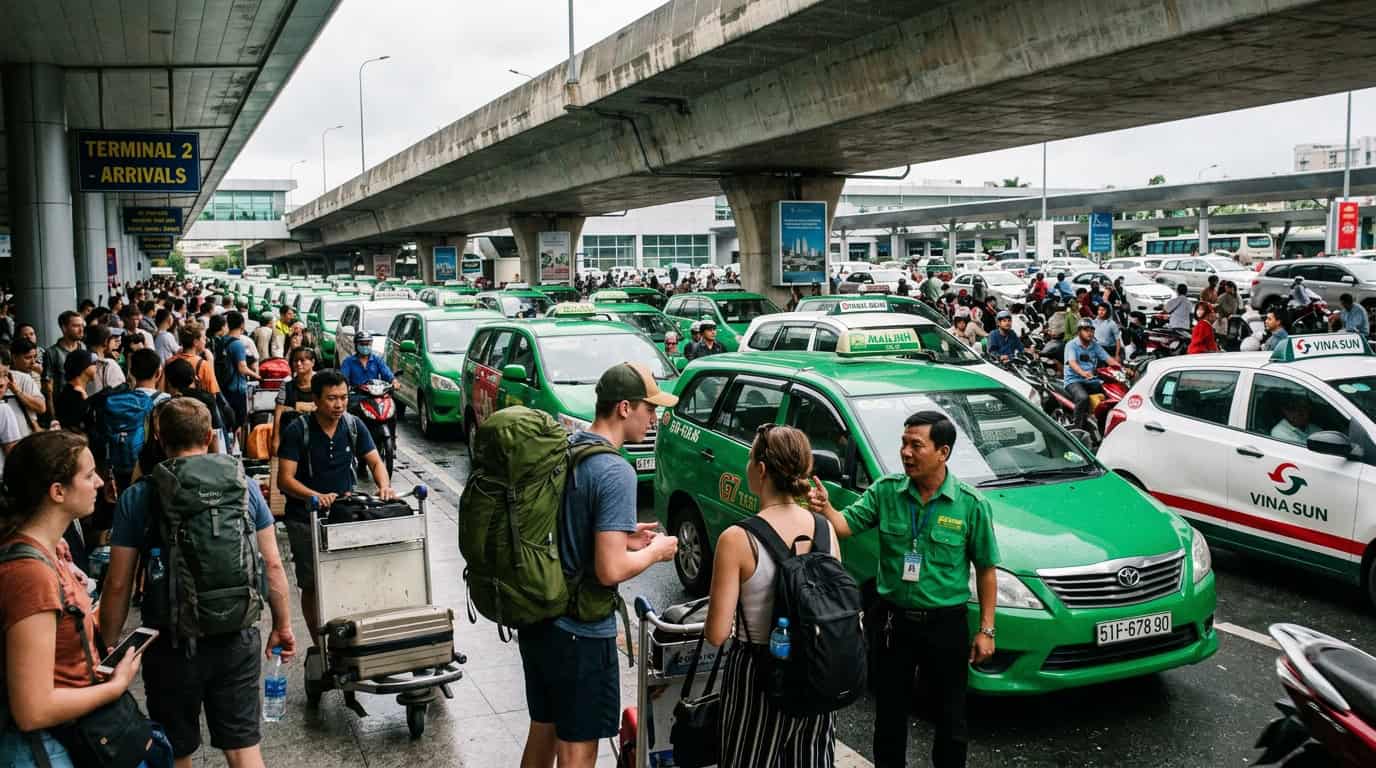
Before you board your flight, secure your Vietnamese e-visa and strictly adhere to your declared entry and exit dates. Download the Grab app, which is the Asian equivalent of Uber, and link it to a travel credit card without foreign transaction fees. Do not attempt to hail a traditional taxi from the airport line unless you want to spend the first hour of your vacation fighting over a broken meter. Booking a private transfer ahead of time or using Grab is infinitely better.
Prepare for extreme, heavy heat year-round, averaging over 81°F (27°C) with punishing humidity. Pack exclusively lightweight, breathable clothing. Plan your outdoor walking for sunrise or after sunset. Midday is best reserved for air-conditioned museums, shaded cafes, or resting in your hotel. If you nail down these basic logistics from day one, you remove the friction from your trip and can actually focus on the incredible food and history.
For a north-versus-south comparison, read
this Ho Chi Minh City guide
alongside
Japan Transit Payment Changes
and
Solo Travel Guide
if you are planning a bigger Asia itinerary.
Preparing for Entry: Visas and Connectivity
The logistical hurdles begin before you even pack your bags. Vietnam’s visa system requires precise planning.
The Strict E-Visa Process
For travelers from the United States and many other Western countries, an e-visa is mandatory. You must apply online at least a week before your departure, though the approval typically takes around three business days. The system is notoriously rigid. You must declare your exact arrival and departure dates, and your visa is only valid for that specific window. If you decide you want to fly in a day earlier, you cannot—you will be turned away at immigration.
Surviving the Airport and Getting Online
Tan Son Nhat International Airport (SGN) handles up to 17 million passengers annually, and the immigration lines are legendary for their slow pace. Expect to wait anywhere from 45 minutes to two hours just to get your passport stamped. Once you clear customs, your immediate priority is connectivity. Do not leave the terminal without purchasing a local SIM card. Viettel is widely considered the most reliable telecommunications provider in the country. Having immediate 4G data allows you to call a Grab car, preventing you from being swarmed by aggressive, overcharging taxi touts at the exit doors.
District Navigation: Where to Base Yourself
Ho Chi Minh City is divided into numbered and named districts. Choosing the right one dictates how much time you spend sitting in gridlocked traffic.
District 1: The Commercial and Tourist Hub
If this is your first visit, District 1 is the most logical place to stay. It contains the vast majority of historical landmarks, high-end shopping centers, and the famous backpacker party zone, Bui Vien Walking Street. It is highly walkable, though the sidewalks are frequently blocked by parked motorbikes.
For luxury seekers, the Park Hyatt Saigon and the Lotte Hotel Saigon offer massive breakfast buffets that can keep you full until dinner. For mid-range travelers and families, the Adora Art Hotel provides a rooftop pool—an absolute lifesaver when the afternoon heat index hits 105°F. If you want to be near the nightlife but far enough away to actually sleep, look for accommodations near Cô Giang Street rather than directly on Bui Vien.
District 3: The Authentic Alternative
Directly bordering District 1 is District 3. I personally prefer staying here. It features wide, tree-lined streets, French colonial art deco villas, and a noticeably calmer atmosphere. It lacks the massive tourist crowds of District 1 but offers far better, cheaper, and more authentic local dining. You are still only a 10-minute Grab ride away from the major museums, making it the perfect strategic base for travelers who hate tourist traps.
Districts 5 & 6: Cholon (Chinatown)
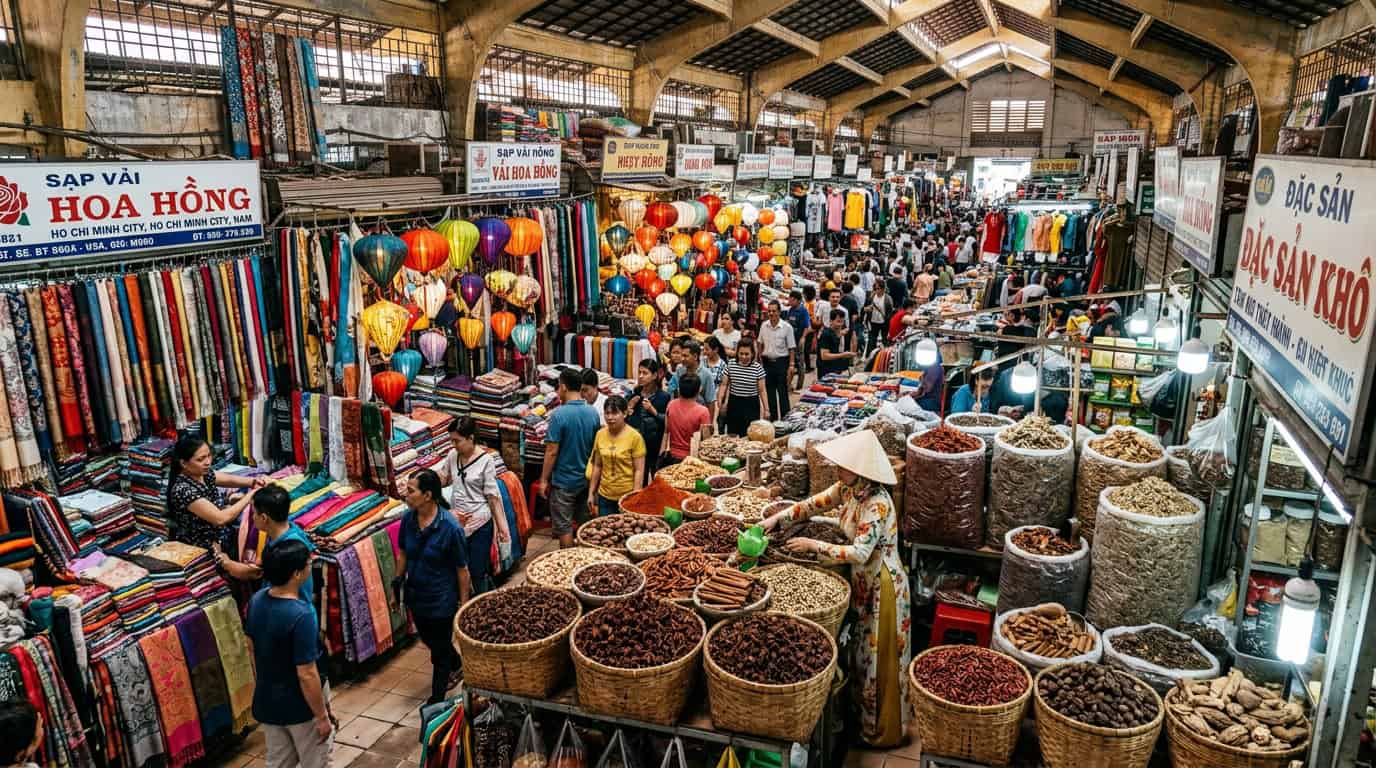
Home to over half a million Chinese residents, Cholon is an incredible sensory experience filled with traditional medicine shops, wholesale markets, and temples. While I highly recommend spending a day exploring the Binh Tay Market here, I do not recommend booking your hotel in this area, as the commute to downtown landmarks is tedious.
A crucial hotel warning: When booking budget or mid-range hotels anywhere in Vietnam, always check the photos of the bathroom. A bizarre architectural trend in this region is the use of translucent or completely transparent glass walls for bathrooms inside hotel rooms. If you value your privacy while traveling with friends or family, explicitly request a room with opaque bathroom walls.
Conquering the Traffic: A Pedestrian’s Guide
The traffic in this metropolis operates on a fluid, chaotic logic that deeply terrifies foreigners but works flawlessly for locals. There are millions of motorbikes on the road, and lane lines, traffic lights, and crosswalks are frequently treated as mere suggestions.
The Art of Crossing the Street
When you need to cross a busy road, you cannot wait for a gap in the traffic—the gap will never come. The local method is simple but requires nerves of steel. Step off the curb and walk across the street at a slow, steady, and entirely predictable pace. Do not stop. Do not speed up. Do not suddenly step backward. The motorbike drivers are watching you, and they will actively calculate your trajectory and weave around you. If you panic and freeze, you disrupt their calculation, which is how accidents happen.
Getting Around: Grab vs. Taxis
Walking in 90-degree heat gets exhausting fast. Rely entirely on the Grab app. It provides fixed, upfront pricing, tracks the route via GPS, and completely eliminates the language barrier and the need to haggle. You can book standard cars, or, if you are traveling solo and feeling adventurous, you can book a Grab motorbike. A standard 5-kilometer car journey across town usually costs around $2 to $3 USD. Avoid cyclos (man-powered bicycle rickshaws) for standard transit; they are purely a slow-paced novelty for tourists and leave you completely exposed to vehicle exhaust.
The Must-See Historical and Cultural Itinerary
Any comprehensive Ho Chi Minh City travel guide must address the heavy historical gravity of the region. The city serves as a living museum of the Indochina and Vietnam Wars.
The War Remnants Museum
This is arguably the most important site in the city, drawing over 500,000 visitors annually. It provides a localized, unflinching perspective on the atrocities of the Vietnam War (referred to locally as the American War). The exterior grounds display captured American fighter jets and tanks. Inside, the exhibits feature horrific war photography, detailed accounts of the My Lai massacre, and experimental weaponry.
A personal warning: The Agent Orange exhibit on the upper floor is profoundly distressing. The imagery of severe birth defects and suffering is deeply graphic. If you are traveling with young children, bypass this specific room entirely. Even as an adult, I found the entire museum emotionally taxing. Plan for a quiet lunch or downtime immediately afterward to decompress.
The Cu Chi Tunnels
Located roughly an hour’s drive outside the main city, this immense underground network was utilized by Viet Cong soldiers to hide, transport supplies, and launch surprise attacks. You can walk through the jungle and view preserved booby traps and command centers.
While the specific tunnels opened for tourists have been intentionally widened, crawling through them is still an intense experience. The paths are dirt-walled, pitch black in spots, and incredibly hot. If you suffer from severe claustrophobia, do not attempt to enter the tunnel shafts. Stay above ground, where you can watch documentaries or pay to fire an AK-47 at the onsite shooting range.
French Colonial Architecture
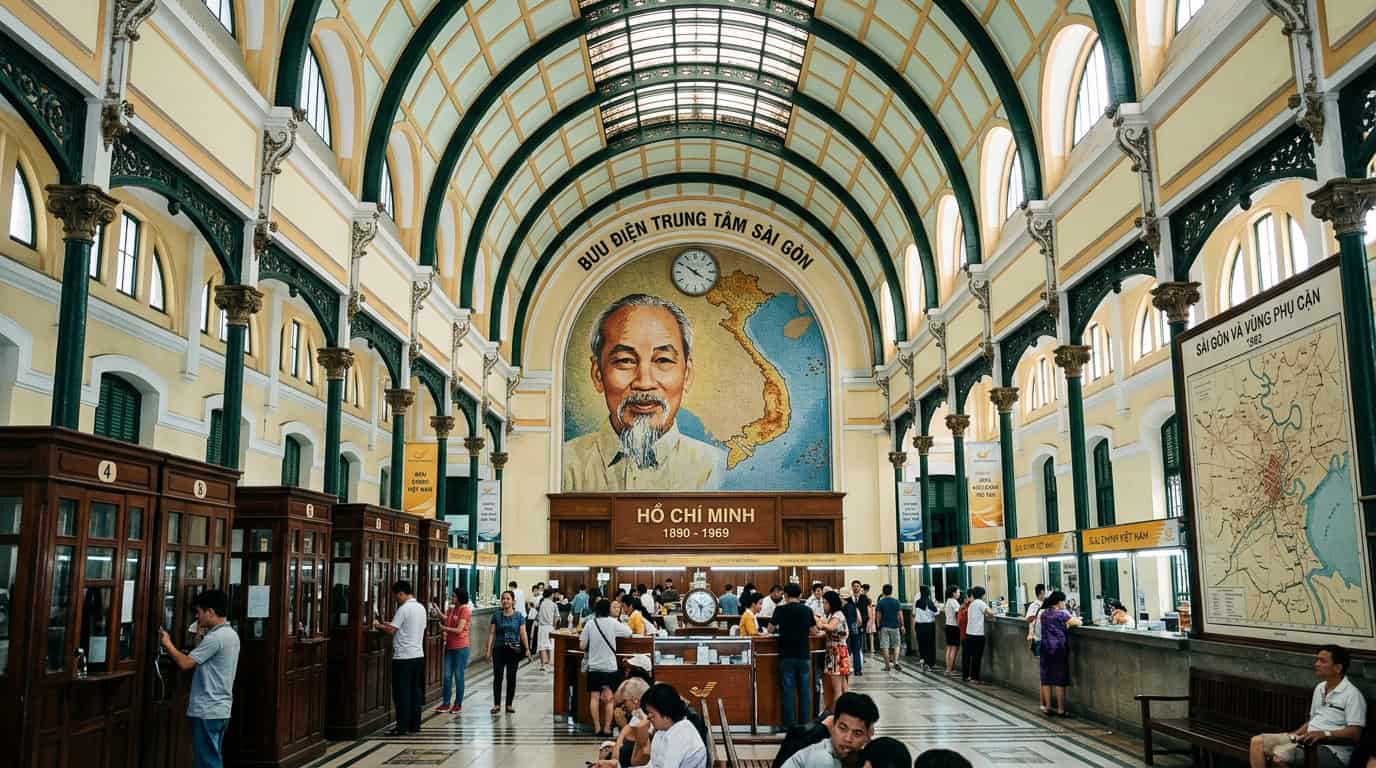
Head back to District 1 to view the architectural remnants of French Indochina. The Saigon Central Post Office, built in the late 1800s, features an incredible vaulted roof, vintage regional maps painted on the walls, and a massive portrait of Ho Chi Minh. It is a fully functioning post office, so you can mail postcards right from the wooden counters.
Directly across the street sits the Notre-Dame Cathedral Basilica of Saigon. Constructed between 1863 and 1880 with materials imported entirely from France, it features massive red brick towers. Logistical note: The cathedral is currently undergoing massive structural renovations due to severe termite damage. It is covered in scaffolding and is not expected to fully reopen until 2027, so you will only be able to view it from the perimeter.
The Culinary Landscape: Street Food, Coffee, and Vegan Dining
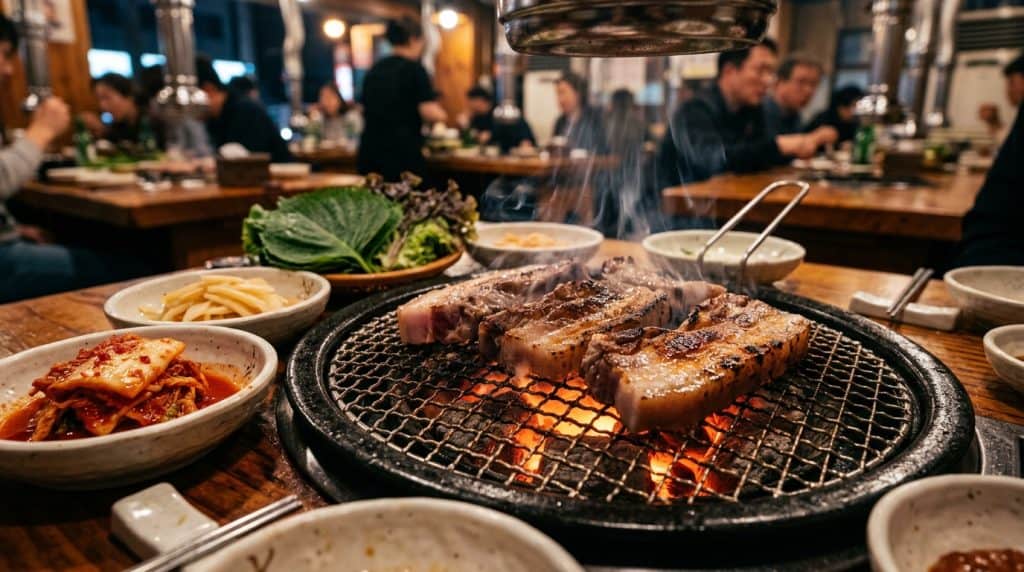
Vietnam is a global culinary giant, and the street food scene here is legendary. You can eat a world-class meal while sitting on a blue plastic stool on the sidewalk for under $3.
Street Food and Traditional Eateries
The absolute best way to experience the food is to book a nighttime motorbike street food tour. Sitting on the back of a scooter while a local guide navigates the alleys to deliver you to seven different tasting spots is exhilarating.
If you are exploring on your own, skip the standard pho and seek out Bun Bo Hue, a highly flavorful, spicy beef bone broth originating from central Vietnam. For lunch, track down Banh Mi Co Linh in District 3 for an incredible crispy baguette stuffed with roasted meats, pate, cucumber, and fresh cilantro. If you prefer to point and choose, head to the Ben Thanh Market during the day, where dozens of narrow vendor stalls serve everything from sizzling savory pancakes (Banh Xeo) to broken rice with grilled pork (Com Tam).
Coffee Culture
Vietnamese coffee culture rivals that of Melbourne or Seattle. The local coffee is brewed using Robusta beans, making it exceptionally strong, thick, and highly caffeinated. It is traditionally brewed through a metal drip filter and poured over ice with a heavy pour of sweetened condensed milk.
For an aesthetic experience, visit the Cafe Apartment Building on Nguyen Hue Walking Street. It is a massive, nine-story block built in the 1960s that has been entirely taken over by independent, hipster coffee shops and boutiques. You can wander up the dark stairwells and hop from cafe to cafe.
Navigating as a Vegan
Surprisingly, this is one of the easiest cities in Asia to navigate as a vegan, heavily due to local Buddhist traditions prioritizing non-violence. Simply memorize the word chay, which denotes food made without meat or animal by-products. Look for signs reading Pho Chay (vegan noodle soup) or Banh Mi Chay. High-end vegetarian restaurants like Nha Hang Chay Hue Quang in District 3 offer incredibly refined plant-based broths that rival any meat-based dish in the city.
Budget and Cost Breakdown
One of the primary draws of traveling in this region is the incredibly low cost of living. However, costs can scale up rapidly if you rely entirely on imported western goods and international hotel brands.
Financial Tip: While ATMs are everywhere, they often cap withdrawals at roughly $100 USD equivalent per transaction due to the high numerical value of the Vietnamese Dong (where 1 USD equals roughly 24,000 VND). Always select “withdraw in local currency” to avoid aggressive bank exchange rate markups. Furthermore, expect a 3% surcharge whenever you use a credit card at local retailers.
Common Mistakes to Avoid
Even experienced backpackers fall into specific traps when visiting the southern part of the country. Avoid these two major pitfalls.
1. Falling for the Mekong Border Bus Scam
If you are traveling overland from Ho Chi Minh City to Phnom Penh, Cambodia, thoroughly research your bus company. Many budget operators practice a bait-and-switch. You might book a large, air-conditioned 40-passenger bus, only to be shoved into a cramped 12-person van with broken AC. Worse, corrupt drivers will often attempt to extort passengers at the border crossing, demanding extra processing fees for Cambodian visas and threatening to abandon tourists who refuse to pay. Pay the extra $10 for a premium, highly-reviewed bus operator like Giant Ibis, or simply take a short flight.
2. Renting a Scooter Without Experience
The visual appeal of joining the swarm of motorbikes is strong, and rentals are cheap (around $5 a day). Do not do it. The traffic rules here are fundamentally different from Western norms, relying heavily on eye contact, fluid momentum, and aggressive maneuvering. More importantly, most standard travel insurance policies will instantly void any medical claims if you are injured riding a motorcycle without a valid local Vietnamese license. Stick to the Grab app.
Who Should Visit (And Who Should Not)
This destination requires a specific type of traveler to fully appreciate its chaotic charm.
This destination is ideal for:
- History Enthusiasts: If you want deep, unfiltered context regarding the Indochina and Vietnam Wars, the museums and preserved sites here are unparalleled globally.
- Food-Motivated Travelers: From high-end dining in pitch darkness (Noir Dining) to sitting on the pavement eating a $2 bowl of noodles, the culinary scene is elite.
- High-Energy Urban Explorers: People who thrive in densely populated, loud, fast-moving environments will love the constant motion of District 1.
You might want to skip this if:
- You need pristine, quiet relaxation: This is an industrial powerhouse with heavy traffic, aggressive street vendors, and significant noise pollution. If you want silence, head to a resort island instead.
- You have severe mobility constraints: Navigating with a heavy stroller or a wheelchair is incredibly frustrating. The sidewalks are uneven, frequently broken, and constantly blocked by parked scooters and pop-up food stalls.
- You cannot handle extreme humidity: The air here is thick and heavy year-round. If sweating profusely by 8:00 AM ruins your mood, a tropical monsoon climate will make you miserable.
Frequently Asked Questions
Is it safe to drink the tap water in Ho Chi Minh City?
Absolutely not. The tap water contains pathogens that can cause severe gastroenteritis. Stick strictly to bottled or heavily filtered water for drinking and brushing your teeth. However, you do not need to be overly paranoid about the ice; reputable hotels, modern cafes, and mid-range restaurants use commercially produced ice made from purified water, which is safe to consume.
How long should I plan to stay in the city?
A minimum of three full days is required to see the absolute basics. Spend day one exploring the downtown architecture and museums, day two taking a half-day trip to the Cu Chi Tunnels, and day three diving into Cholon and the local food markets. If you want to take a day trip down to the Mekong Delta to see the floating markets, extend your trip to four or five days.
Do I need to carry cash, or are credit cards widely accepted?
It is a hybrid system, but cash remains heavily dominant. Major hotels, large shopping malls, and apps like Grab process international credit cards perfectly fine. However, you absolutely must carry physical Vietnamese Dong for street food vendors, local market stalls, small cafes, and temple entry fees. Always ask vendors to break large bills (like 500,000 VND notes) when making purchases, as small street stalls rarely have enough change.
What is the dress code for visiting local temples and pagodas?
Like most of Southeast Asia, religious sites such as the Jade Emperor Pagoda require modest dress. Both men and women must cover their shoulders and knees. Carrying a lightweight sarong or scarf in your day bag to quickly wrap around your waist or shoulders before entering is a highly practical strategy to deal with the heat while remaining respectful.
Final Thoughts for Your Journey
Building an itinerary around a Ho Chi Minh City travel guide means preparing yourself for a city of intense, unapologetic contrasts. You will see luxury sports cars idling next to wooden street carts selling grilled meats, and massive modern glass skyscrapers towering over 19th-century French cathedrals. Embrace the chaos rather than fighting it.
Plan your museum visits for the early mornings, rely on Grab for safe and air-conditioned transit, drink excessive amounts of water, and do not let the fear of a language barrier stop you from sitting down at a crowded local street food stall. The city’s raw energy is intimidating during your first 24 hours, but once you surrender to its rhythm, it offers one of the most culturally dense, historically profound, and rewarding travel experiences in Asia.
For related route planning, continue with
Best Places to Visit in Vietnam,
Ho Chi Minh City city guide,
and
Best AI Travel Planners
to turn this article into a practical itinerary stack.