Understanding the New Regional Japan Transit Landscape
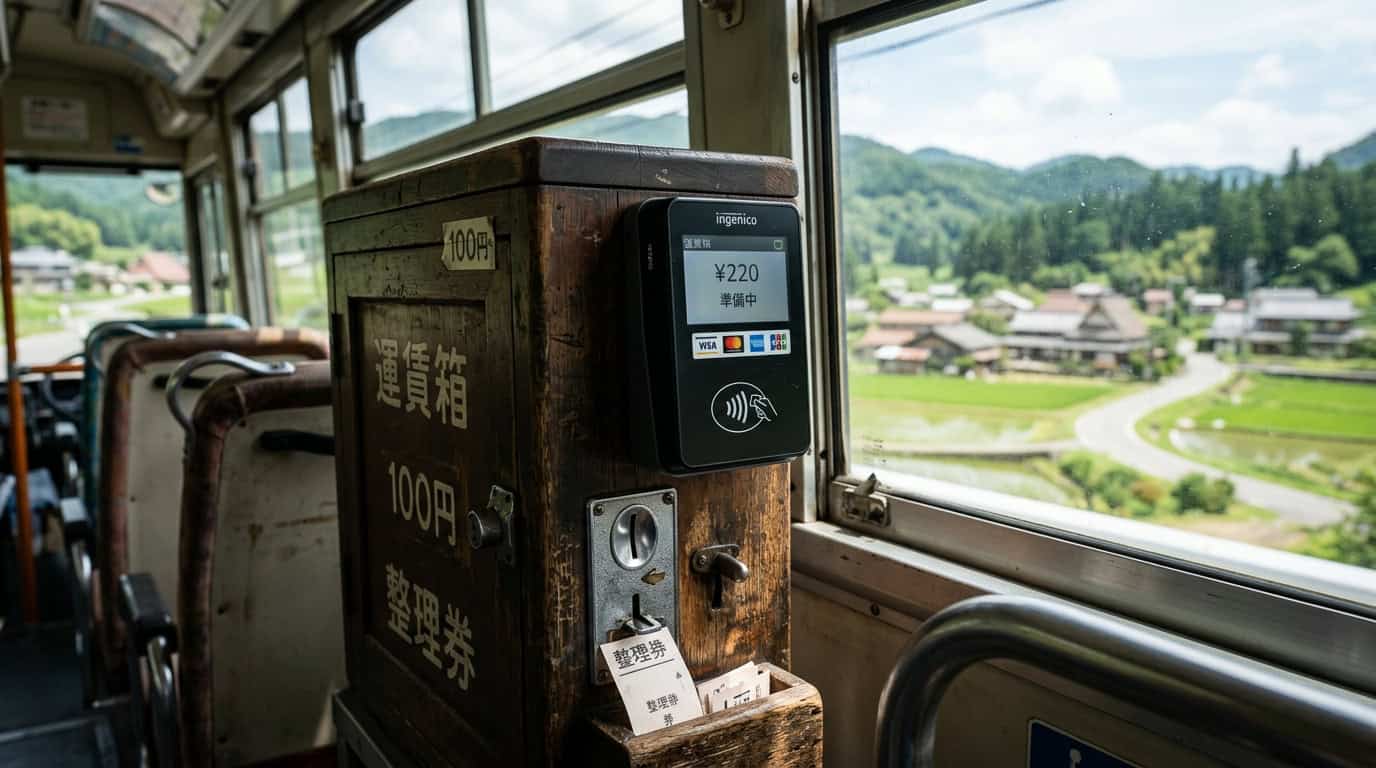
Navigating regional Japan transit systems is currently undergoing a massive structural shift that will likely affect your next trip to the countryside. For years, I relied exclusively on my Suica or Icoca card, assuming I could simply tap my way across every island in the archipelago. However, on a recent trip to Kumamoto, I found my trusty IC card completely useless at the bus station. The reality is that rural transport operators are facing a harsh financial crunch, forcing them to move away from expensive, proprietary IC card systems in favor of modern, contactless credit card solutions.
Why Infrastructure Costs Matter
When I dig into the math, it becomes clear why this transition is happening. A major transit line in a city like Tokyo operates with millions of daily taps, allowing them to amortize the high cost of maintenance across a massive user base. In contrast, rural operators often see ridership in the thousands or less. I learned that in Kumamoto, five local operators faced a staggering $8.1 million bill to replace aging fare hardware. With their bus services already operating at a $24 million deficit, continuing to support specialized IC infrastructure was simply impossible. For these smaller companies, the proprietary backend software required for national cards is a luxury they can no longer afford.
The Shift to Open-Loop Payments
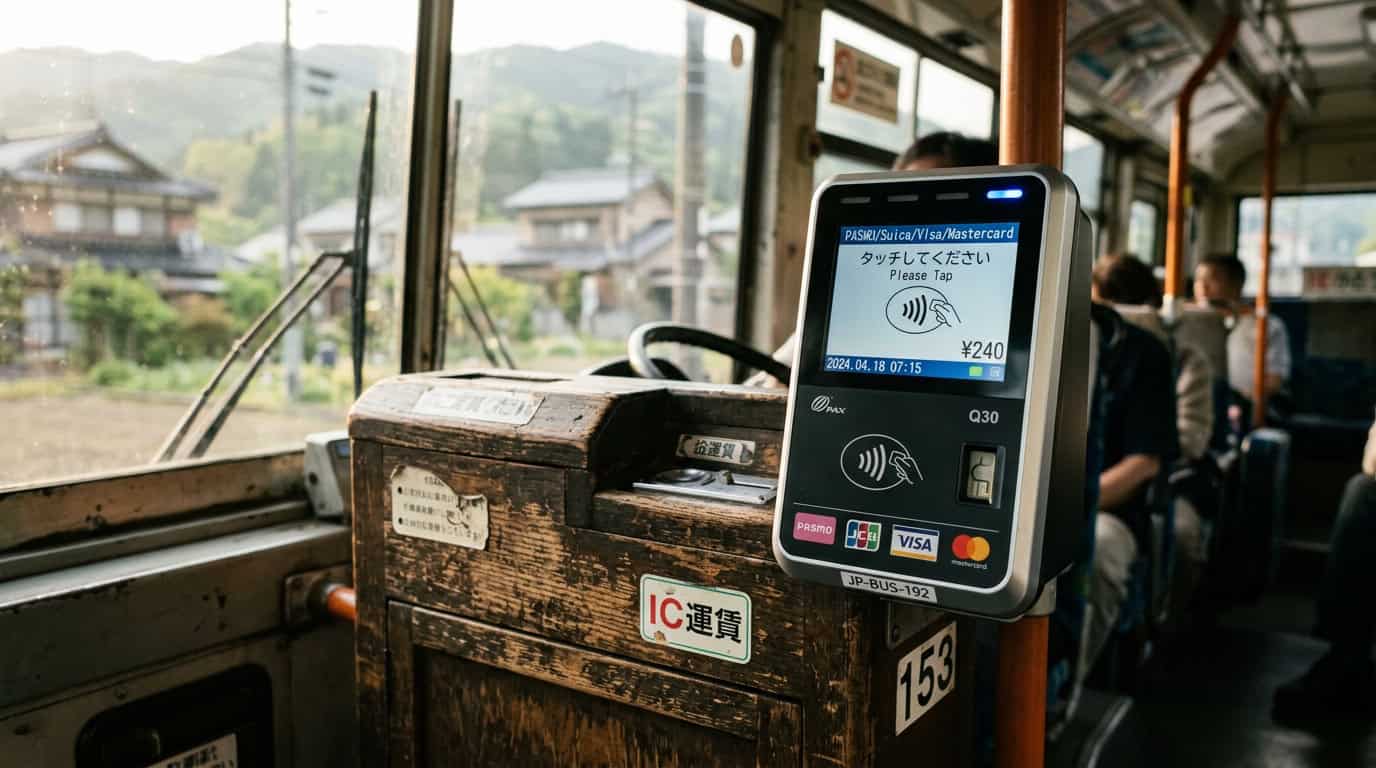
Instead of maintaining custom hardware, many lines like the Kyoto Tango Railway are pivoting to standard contactless credit card terminals (Visa or Mastercard). This strategy allows them to offload the payment processing to global financial networks.
| Payment System | Initial Investment | Maintenance | Complexity |
|---|---|---|---|
| Traditional IC Card | Very High | High | Complex |
| Contactless Credit | Moderate | Low | Simple |
| QR/Smartphone | Moderate | Moderate | Moderate |
From a traveler’s perspective, this is a mixed bag. I personally enjoy the convenience of tapping my phone or physical credit card without worrying about keeping a specific transit card charged. However, the fragmentation is real. You might land in a city where one bus line takes credit cards, while the local train line five minutes away still insists on physical cash or a proprietary paper ticket. This lack of a unified “National Standard” in rural areas is the biggest headache for current travelers.
Two Common Misconceptions
-
- Operators are just being difficult: I often hear tourists complain that companies are “stingy” for dropping IC card support. This is a massive misunderstanding. These companies are often fighting for survival. They aren’t trying to make your life harder; they are trying to avoid total service closure by cutting operational overhead.
- Cash is obsolete: Even with the move toward digital payments, Japan remains a very “cashful” society. Many people assume they can go 100% cashless, but I always keep at least 10,000 yen in my wallet. If a card reader goes down—which happens more often than you think in rural areas—you will be stuck without a backup.
Decision Framework: Is This Right for You?
If you are planning an itinerary through rural Japan, you need to be prepared.
This approach is ideal for: Travelers who enjoy navigating using digital wallets, credit cards, and map-based transit apps. If you appreciate the simplicity of using your existing bank card to pay for a bus, you will find these upgrades refreshing.
You might want to skip this if: You are someone who likes to have a single, centralized app for your entire journey. If you need to track every cent of your transit budget through one portal, the current fragmented landscape of regional operators will likely frustrate you.
Dealing with the Human Element
We must also acknowledge the workforce crisis. Just like in the automotive sector, where aging technicians struggle to keep up with new EV software, rural transit operators are losing the staff who understand these complex, legacy hardware systems. Innovation isn’t just about buying new machines; it requires training workers who can handle a world of both high-tech payment terminals and older, mechanical bus infrastructure.
Frequently Asked Questions
Can I still use my Suica card everywhere in Japan?
No. While major JR lines still accept national cards, many independent regional operators have dropped support. I always recommend checking the operator’s official website specifically for your route before you leave.
Why are contactless credit cards more sustainable than IC cards?
Proprietary IC systems require specialized backend software and hardware that the transit company must manage. Contactless credit cards use global financial networks, offloading that cost and complexity to companies like Visa or Mastercard.
Will I get stranded if I don’t have a credit card?
It is unlikely, as most systems still accept cash. I make it a point to carry a backup of physical yen for every trip, especially in rural areas where terminal outages or power issues can effectively disable digital payment systems.
Is this trend of dropping IC cards happening everywhere?
Currently, it is limited to independent rural operators. Large, metropolitan carriers have the capital and volume to maintain their proprietary systems, so you will still find full IC card functionality in hubs like Tokyo or Osaka.
Final Thoughts
My experiences traveling through the Japanese countryside have taught me that change is the only constant in transit infrastructure. While the loss of the “all-in-one” IC card experience feels like the end of an era, these shifts are necessary for keeping rural lines open. My advice? Embrace the flexibility, keep your credit card handy, but never underestimate the power of a few crisp yen notes in your pocket.