Solo travel is a transformative practice that allows you to discover your personal resilience while exploring the world on your own terms. When I first stepped onto a train in Bangkok, I was genuinely terrified about sitting alone in a crowded restaurant, but that anxiety evaporated the moment I realized I could start my day at 11:00 AM or skip a tourist site without checking in with anyone else. Choosing to travel independently means you are the architect of your own experience, managing your budget and itinerary with zero compromise.
Key Takeaways for Your First Solo Trip
Prioritize Safety: Always keep a physical and digital copy of your passport and emergency contacts.
Pack Light: A single 35L carry-on bag provides the mobility you need to navigate stairs and subways efficiently.
Stay Social: Booking a boutique hostel with a common area helps you meet other travelers without needing to plan structured tours.
Stay Connected: An unlocked phone with a local SIM or e-SIM card ensures you always have access to maps and translation apps.
Why Traveling Alone Changes Your Perspective
There is something empowering about navigating a complex transit system or negotiating a price at a marketplace without a partner to lean on. In my experience, traveling alone forces you to be observant and more approachable. I found that I struck up conversations in coffee shops that I never would have had if I were insulated by a companion. However, be aware of the reality: you will have moments of deep fatigue. I once spent an entire afternoon in a Lisbon park simply napping on a bench because the sensory input of a new city was overwhelming.
Avoiding Common Misconceptions
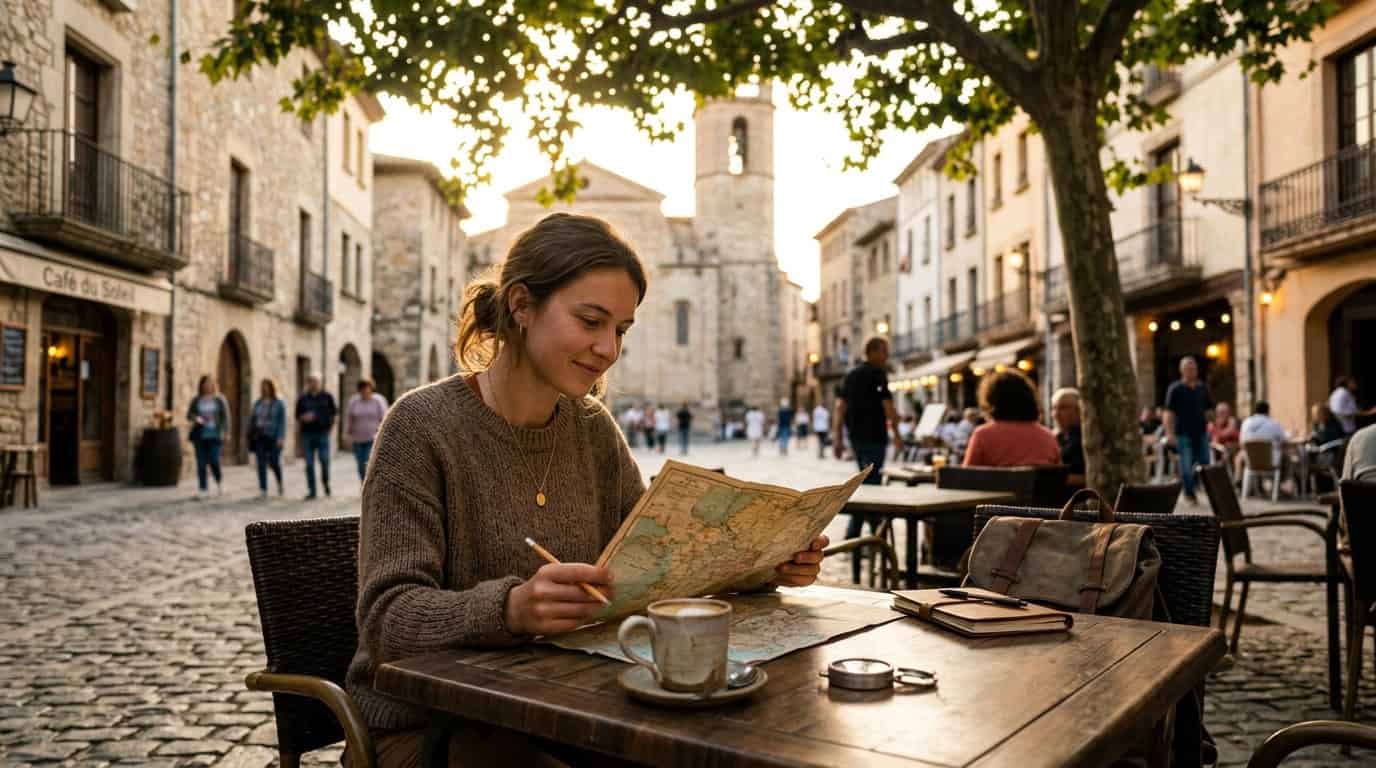
One common mistake is the pressure to be constantly busy. I once scheduled every hour of a five-day trip to Paris, only to feel burned out and frustrated when I could not keep up with my own self-imposed pace. Another misconception is that you must be extroverted. It is perfectly okay to spend an entire afternoon reading in a park or sitting in a quiet café. You are not failing if you aren’t doing an activity every single minute.
Should You Go Solo? Decision Rules
Deciding to travel alone is a major step. Use this guide to decide if it matches your personality:
| Feature | Group Travel | Solo Travel |
|---|---|---|
| Flexibility | Low | High |
| Social Interaction | Built-in | Voluntary |
| Cost Control | Moderate | Total Control |
| Safety | High (Group) | Moderate (Individual) |
You should consider going solo if you want to challenge your comfort zone or have specific interests your friends do not share. If you rely heavily on others for navigational help or fear the silence of a hotel room at night, consider a small group tour first.
Budgeting and Financial Realities
Solo travel can be affordable, but you lose the benefit of shared lodging costs. A week in a city like Lisbon might cost $1,200 solo compared to $900 per person sharing a room. To offset this, I often hit local markets. Spending $20 on bread, local cheese, and seasonal fruit at a market can cover breakfast and dinner for three days, saving me over $100 compared to dining out in tourist-heavy zones.
Essential Safety and Logistics
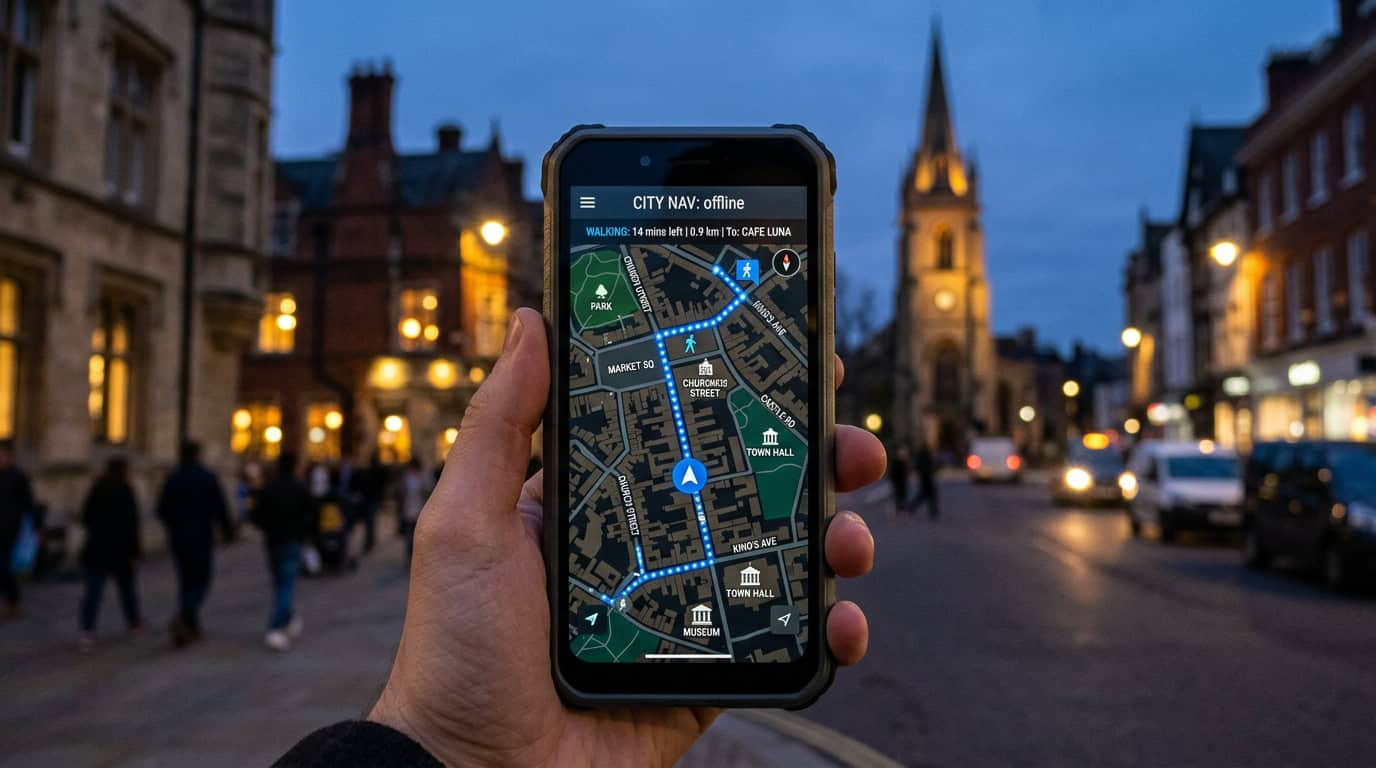
Safety is the number one concern. Always share your itinerary with a trusted friend at home. I use offline Google Maps so I am never reliant on spotty local data, and I always keep a backup credit card in a separate, hidden bag. I learned this the hard way when my wallet was stolen in a transit terminal in Milan; having an emergency card saved the rest of my trip. Remember, the goal is to be prepared, not paranoid.
Frequently Asked Questions
Is it awkward to eat alone in restaurants?
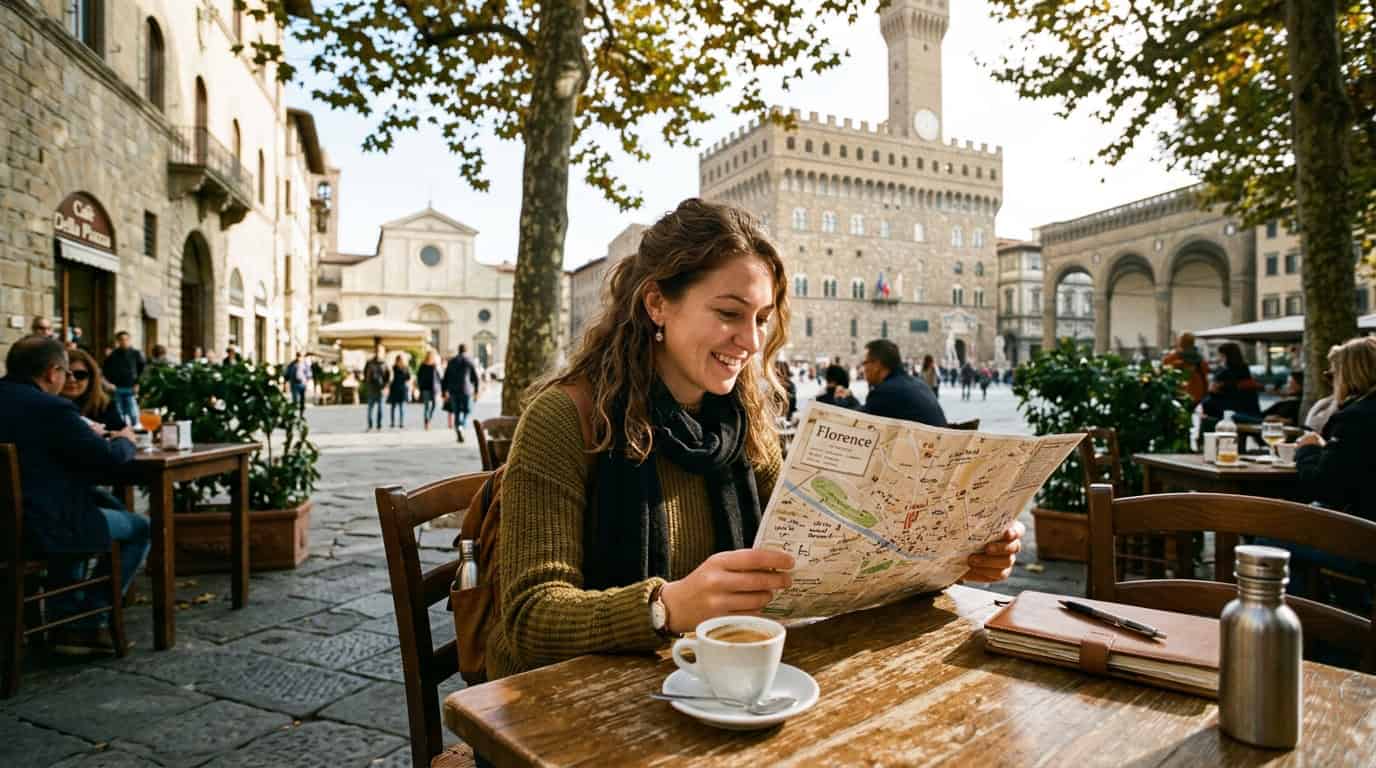
It feels intimidating, but restaurant staff see solo diners every day. I often bring a notebook or a Kindle to keep myself occupied, which makes the experience feel intentional. Most diners are too busy with their own groups to notice you.
How do I meet people if I want company?
Hostels are great, but free walking tours are my preferred method. You naturally end up walking next to others, and it is a low-pressure way to strike up a conversation. I have met travel friends on these tours simply because we were all looking for the same authentic, low-cost experience.
What if I get sick while traveling alone?
This is a valid fear. I suggest carrying a small first-aid kit with pain relievers, electrolyte packets, and bandages. Research the location of the nearest pharmacy before you arrive. If you feel truly unwell, do not hesitate to ask your hotel or hostel reception for help; they are usually very experienced in pointing guests toward reliable medical care.
Conclusion
Solo travel is a masterclass in self-reliance. While you will face hurdles like navigating transit alone or handling minor emergencies, the personal growth you gain is worth every moment of discomfort. Start small, stay organized, and trust your instincts. By planning ahead and embracing the unexpected, you will find that the best travel companion is usually yourself.