When I first attempted to navigate the country, I completely underestimated the sheer scale. I genuinely thought I could hop from a misty mountain peak to a sun-bleached beach in a single afternoon. Instead, I ended up spending nearly thirty exhausting hours on a sleeper train — a mistake that reshaped how I plan travel forever.
To actually get value from your trip, you need to stop treating Vietnam like a compact destination and start seeing it as a massive, layered puzzle of history, food, and extreme landscapes. Once you understand that, everything — your route, timing, and experience — starts to make sense.
Quick Summary
North to South is the golden rule: Travel linearly. Flying into Hanoi and departing from Ho Chi Minh City (or vice versa) prevents you from doubling back and wasting transit days.
Match the climate to your itinerary: The northern mountains freeze in January, while the southern delta floods in September. Timing your regional visits is critical.
Transit takes longer than expected: A 150-kilometer journey in the northern provinces can take five hours due to heavy truck traffic and narrow, winding mountain roads.
Central Vietnam offers the highest reward-to-effort ratio: If you only have ten days, anchor your trip in Da Nang, Hoi An, and Hue for the best balance of ancient history, cheap tailoring, and ocean relaxation.
Cash is still king: While urban hotels accept cards, you will need physical Vietnamese Dong for fresh bia hoi (draft beer), street food stools, and rural homestays.
Direct Answer: Where Should You Go?
If you have a standard 10 to 14-day vacation, the best places to visit in Vietnam are concentrated strictly in the Northern and Central regions. You should fly into Hanoi and spend three days absorbing the frantic energy of the Old Quarter and sipping egg coffee. Next, take a two-hour drive south to Ninh Binh for two days of rowing through the Trang An limestone river caves. Follow this with a two-day cruise through Lan Ha Bay via Cat Ba Island—a cheaper, less polluted alternative to the main commercialized Ha Long Bay.
From there, book a short domestic flight from Hanoi to Da Nang. Spend your remaining five to six days split between the ancient trading port of Hoi An, getting custom clothes tailored, and exploring the Imperial City of Hue. Do not attempt to add the far northern Ha Giang Loop, the southern metropolis of Ho Chi Minh City, and the island of Phu Quoc into this timeframe. Cramming too much into a two-week window guarantees you will spend half your vacation staring at the back of a bus seat.
Understanding the Northern Powerhouse
Northern Vietnam is defined by ancient, chaotic cityscapes, mist-covered mountain ranges, and dramatic limestone formations rising violently from emerald waters. The air here in the winter months (December to February) can be shockingly cold, requiring heavy jackets, especially in the high-altitude border towns.
Hanoi: The Cultural Epicenter
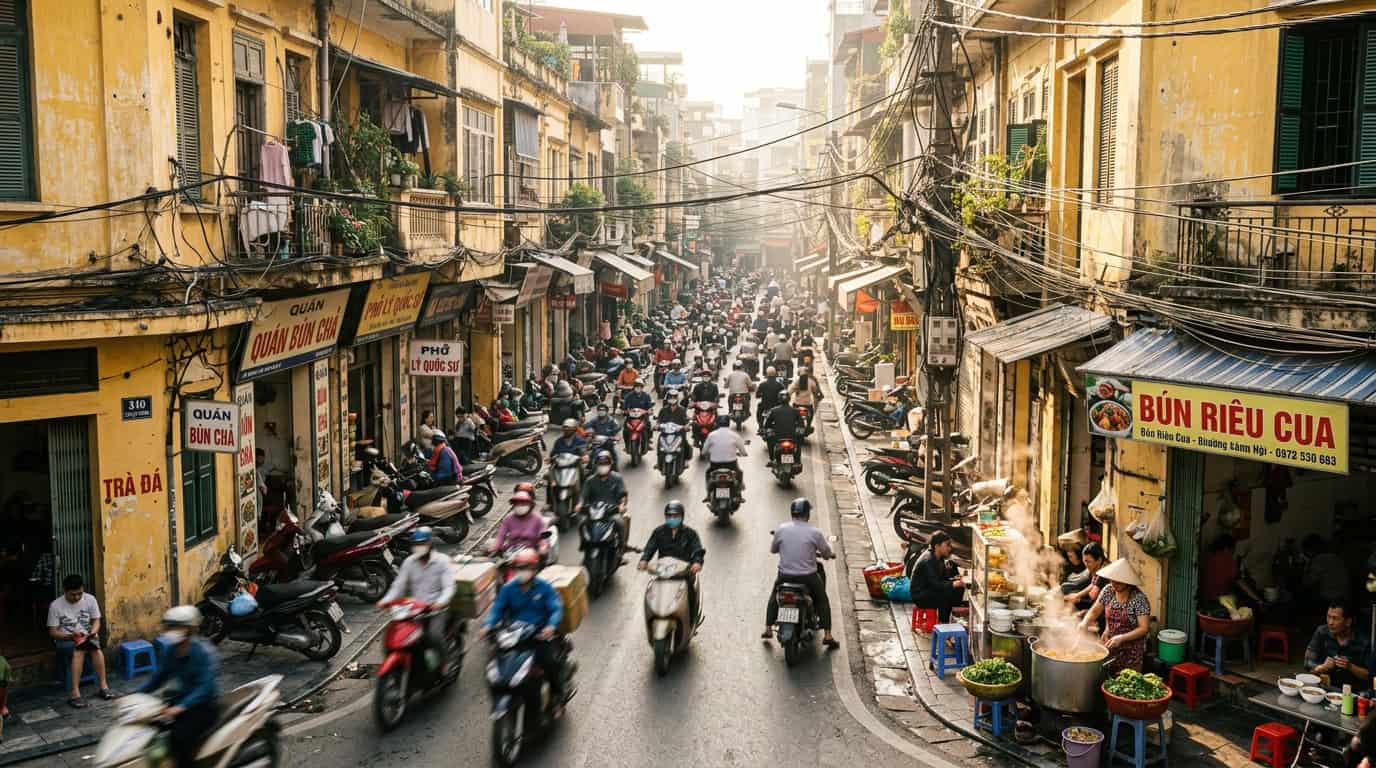
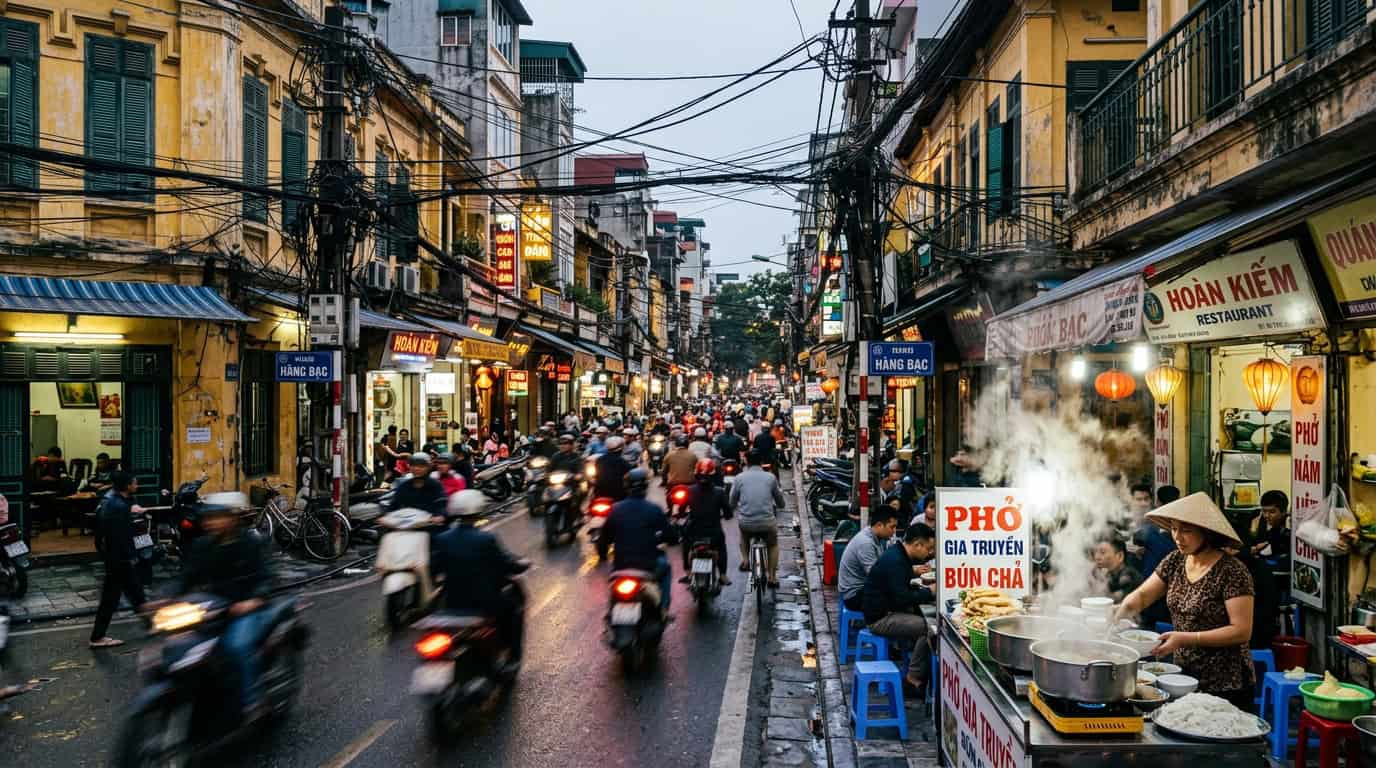
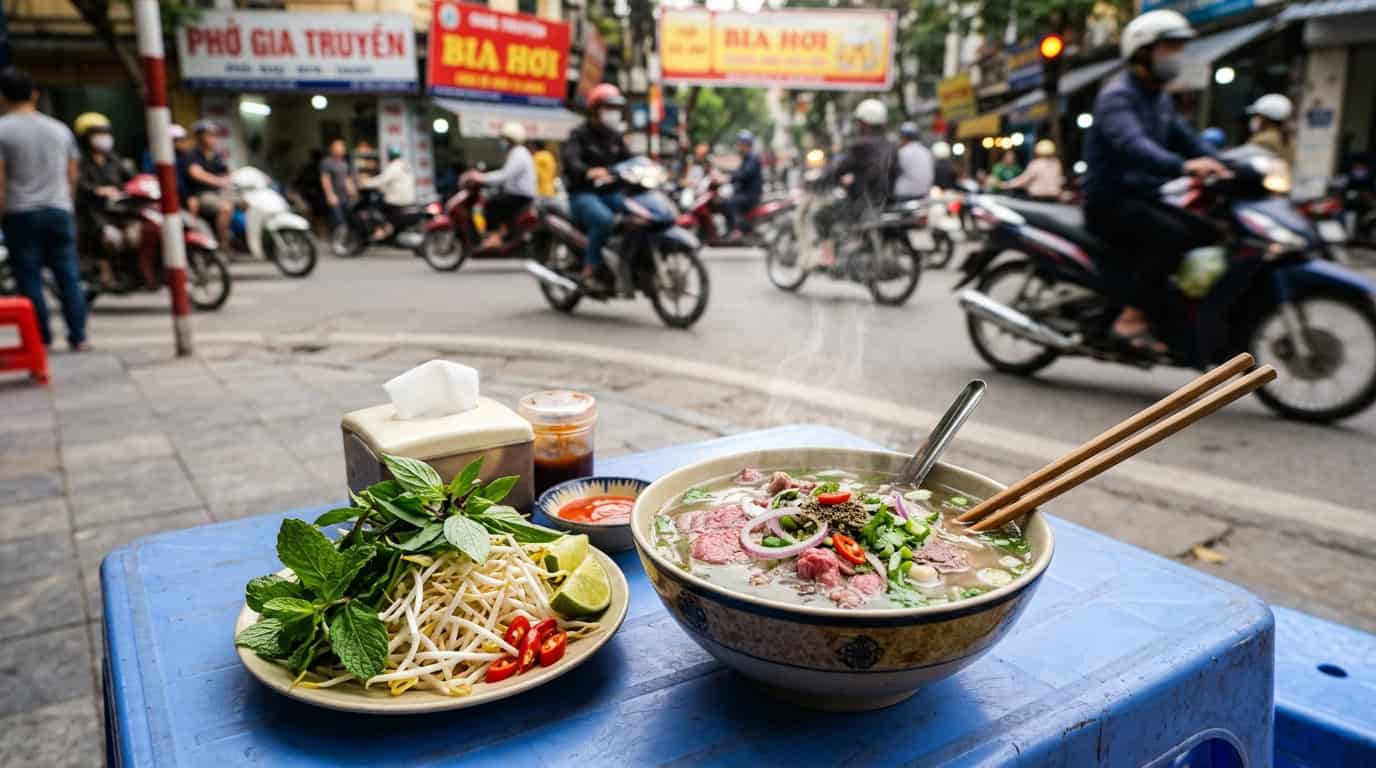
The capital city of Hanoi is an intense, overwhelming introduction to the country. The city centers around the Hoan Kiem Lake, where you can watch locals practice Tai Chi at dawn before the extreme heat and humidity set in. The Old Quarter is a maze of narrow streets over 1,000 years old, where you will sit shoulder-to-shoulder on tiny plastic stools to drink fresh draft beer (Bia Hoi) for as little as 10,000 VND (roughly $0.40 USD).
Hanoi is also the birthplace of egg coffee (cà phê trứng). Invented at Cafe Giảng in the 1940s due to dairy shortages, locals whipped egg yolks with sugar and condensed milk to create a thick, custard-like topping for dark robusta coffee. It is incredibly rich, heavily caffeinated, and absolutely mandatory to try at least once, even if just for the historical novelty.
The Karst Systems: Ha Long Bay vs. Cat Ba vs. Ninh Binh
Ha Long Bay is a UNESCO World Heritage Site famous for its jade-green waters and towering limestone cliffs. Booking a luxury overnight junk boat is a common bucket-list item, but the main bay suffers from severe over-tourism and visible marine plastic pollution.
For a smarter alternative, head to Cat Ba Island, located adjacent to Ha Long. Half of this massive island is a dense jungle biosphere reserve. From here, you can hire a boat into Lan Ha Bay, which shares the exact same stunning geology as Ha Long but sees a fraction of the heavy cruise traffic.
Alternatively, head two hours south of Hanoi to Ninh Binh, universally referred to as “Ha Long Bay on land.” You trade ocean water for the Ngo Dong River, cutting through massive green cliffs. Book a rowboat tour in Tam Coc or Trang An, where local guides row the wooden boats using their feet. Be sure to climb the 500 grueling, terrifyingly steep stone stairs to the peak of Hang Mua for a panoramic sightline over the valley.
The Extreme North: Sapa and Ha Giang
For those seeking high-altitude isolation, the Tonkinese Alps offer staggering beauty. Sapa is famous for its cascading emerald rice terraces and traditional H’mong and Dao hill tribe villages. You can reach it via an eight-hour overnight train from Hanoi. To see the terraces at their peak green, plan your visit for September or October.
If you want raw adrenaline, the Ha Giang Loop is a remote 350-kilometer motorcycle route through ethnic minority villages right against the Chinese border. The roads are carved directly into the sides of sheer, terrifying drop-offs.
Central Vietnam: Coastal Roads and Custom Suits
Central Vietnam operates at a much slower, more deliberate pace than the frantic capital. This region bridges the country’s ancient imperial past with modern coastal luxury, offering wide, relatively quiet sandy stretches and highly preserved historical architecture.
Hoi An: The City of Lanterns
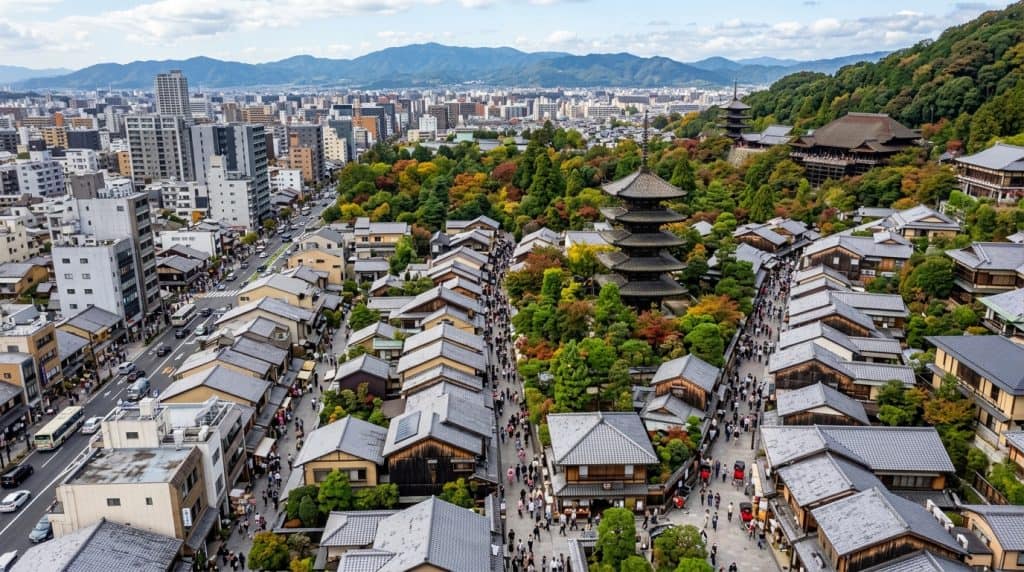
A 45-minute drive south of Da Nang sits Hoi An, a preserved 15th-century trading port. The architecture is a fascinating blend of Vietnamese, Chinese, Japanese, and French colonial styles, highlighted by the iconic 16th-century Japanese Covered Bridge. At night, the town cuts its electricity, and the streets are illuminated entirely by traditional silk lanterns.
The real draw here, however, is the tailoring industry. Hoi An features hundreds of expert tailors who can replicate any piece of clothing in under 48 hours. During my time there, my partner and I ordered custom three-piece suits made from high-quality wool blends, fully fitted and altered, for roughly $90 USD each. It is a wildly efficient process, but you must negotiate prices firmly.
Da Nang and The Hai Van Pass
Da Nang feels distinctly modern, featuring the massive Dragon Bridge that actually breathes fire and water at 9:00 PM on weekends. It also serves as the gateway to the Ba Na Hills Sunworld, a somewhat bizarre mock-European theme park accessible by a massive cable car. This is where you will find the famous Golden Bridge held by two giant stone hands.
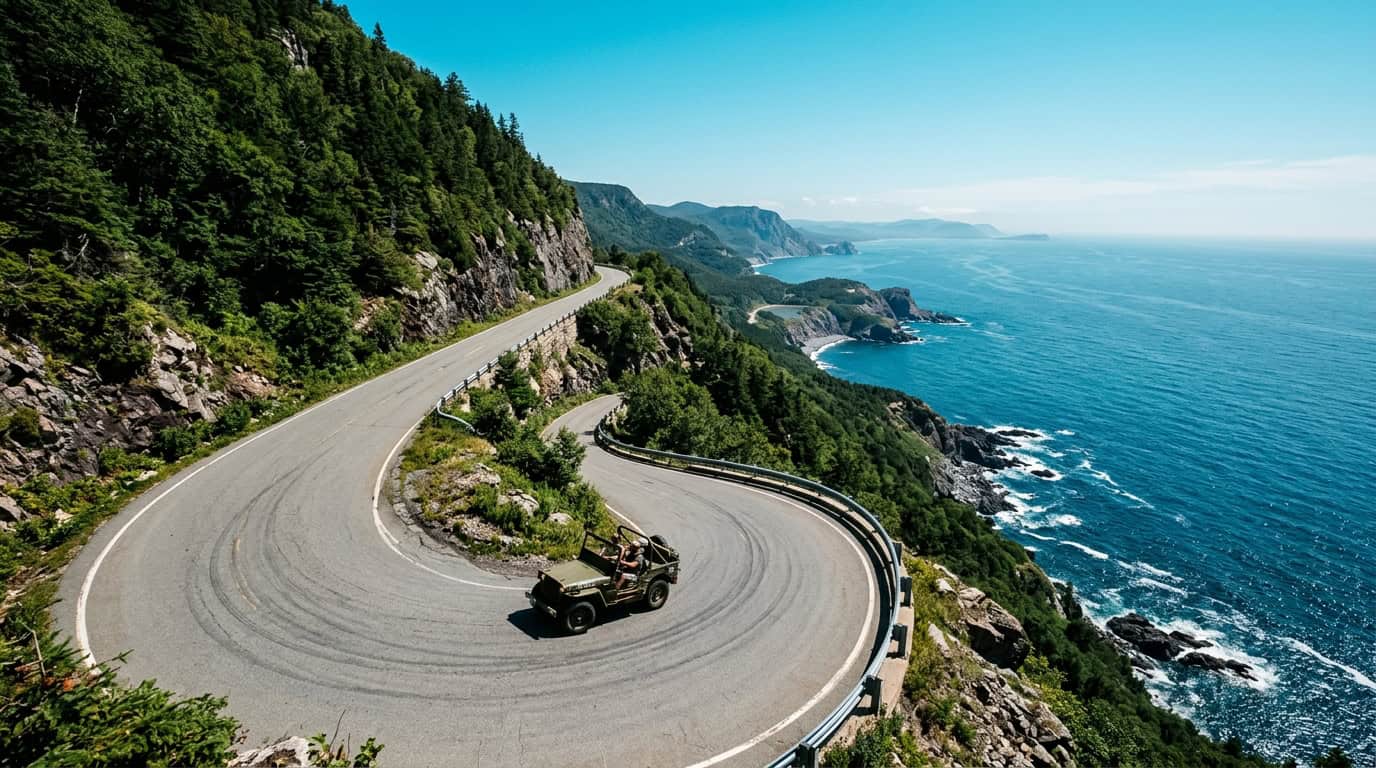
North of Da Nang lies the Hai Van Pass, a twisting 21-kilometer mountain road separating Da Nang from Hue. Navigating the hairpin turns on a motorbike offers incredible views of the ocean crashing against the cliffs below. If you lack riding experience, book a vintage Jeep tour to cross the pass safely.
Hue’s Imperial History
Hue was the political and religious center of the Nguyen Dynasty. The Imperial City is a sprawling, moated fortress that requires heavy walking to explore the partially reconstructed throne rooms and bullet-pocked stone walls.
For an alternative historical experience, seek out the Thủy Tiên Abandoned Waterpark just outside the city. It was a $30 million USD mega-attraction that failed shortly after opening. Today, it is an eerie, post-apocalyptic landscape featuring a massive, rusting dragon statue standing in a lake. It is technically closed to the public, but paying the lone security guard a handful of crumpled Dong usually secures you entry.
Southern Vietnam: Deltas and Tropical Escapes
The southern region is dominated by the commercial juggernaut of Ho Chi Minh City (formerly Saigon) and the dense, winding waterways of the Mekong River. The climate here is strictly tropical—hot and humid year-round, divided only into a dry season and a torrential monsoon season.
Ho Chi Minh City
Ho Chi Minh City is significantly more westernized and commercially developed than Hanoi. The mandatory stop here is the War Remnants Museum. It provides a raw, deeply sobering, and graphic perspective on the Vietnam War (known locally as the American War). The entrance fee is less than $2 USD, and the exhibits are highly emotional.
Outside the city, you can explore the Cu Chi Tunnels, a massive 200-kilometer underground network used as living quarters, hospitals, and supply routes by the Viet Cong. The physical reality of crawling through these widened, yet still incredibly claustrophobic dirt tunnels, puts the history into sharp perspective.
The Mekong Delta
Known as the “Rice Bowl of Vietnam,” the Mekong Delta is a vast labyrinth of rivers, swamps, and islands. To truly appreciate it, you have to wake up before dawn. Rent a sampan boat to navigate the Cai Rang Floating Market near Can Tho just as the sun rises. The water is choked with wooden vessels selling massive piles of pineapples, coconuts, and root vegetables, with vendors tossing produce between boats.
Phu Quoc Island
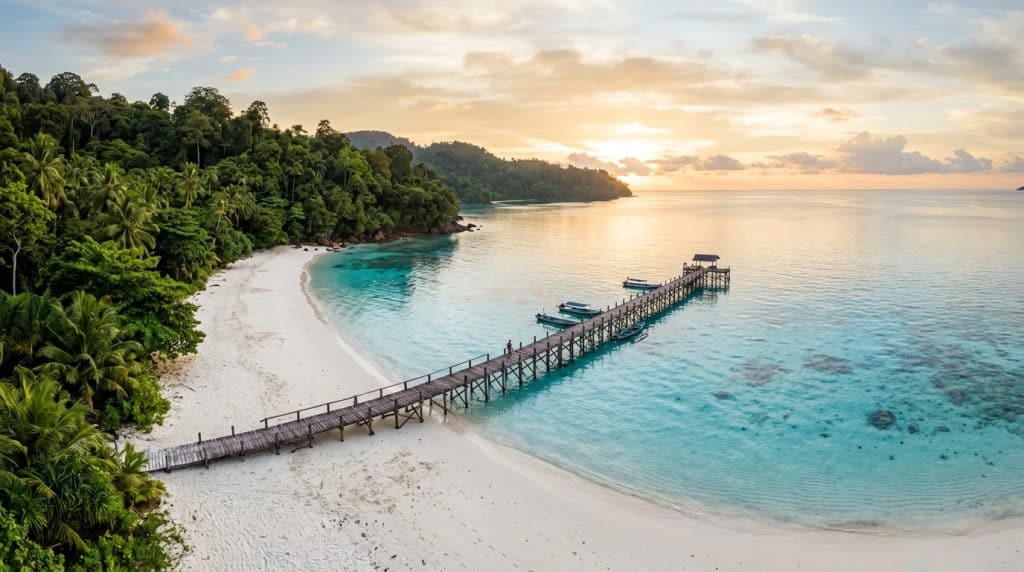
Located in the Gulf of Thailand, just a short 50-minute flight from HCMC, Phu Quoc is the country’s premier tropical island destination. The island produces Vietnam’s highest-quality fish sauce and pepper. You can ride the longest non-stop cable car in the world (stretching 8 kilometers over the ocean) to Pineapple Island, or simply retreat to a luxury resort on the western coast to watch the sun sink directly into the water.
Regional Culinary Differences
Vietnamese cuisine is intensely regional. Do not make the mistake of thinking you will eat the exact same bowl of Pho everywhere you go.
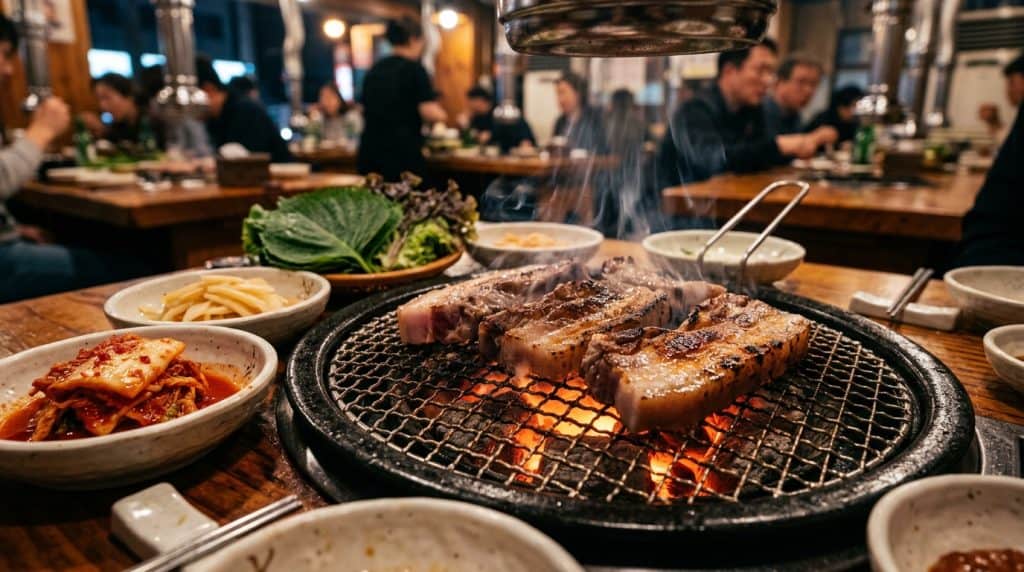
In the North: Flavors are delicate, fragrant, and heavily reliant on black pepper rather than chili. Bun Cha (chargrilled pork with tangy broth and vermicelli noodles) is the undisputed king of Hanoi street food. Find a stall where the smoke is thick and the locals are crowded.
In the Center: Food here is highly spiced, complex, and deeply tied to the old royal courts. Cao Lầu is a noodle dish entirely exclusive to Hoi An because the thick, chewy noodles must be soaked in lye-water drawn from one specific local ancient well. You also must try Bún bò Huế, a deeply savory, lemongrass-heavy beef noodle soup that easily rivals Pho.
In the South: Dishes tend to be sweeter, utilizing more coconut milk and sugar. Ho Chi Minh City is the premier destination for Bánh Mì, the iconic fusion sandwich combining crispy French baguettes with Vietnamese pork sausage, rich pâté, mayonnaise, and pickled daikon.
Cost Comparisons and Value Expectations
Vietnam provides some of the best travel value on the planet, accommodating both extreme backpackers and high-end luxury seekers.
The Budget Traveler ($40 – $60/day): You can secure a clean bed in a modern hostel for $8 a night. Eating exclusively street food costs roughly $2 to $3 per meal. Renting a manual scooter costs $5 a day, and local buses connecting cities rarely exceed $15.
The Comfortable Mid-Range ($80 – $120/day): This is the sweet spot. You can book private, air-conditioned rooms in beautiful 3-star boutique hotels for $35 to $50 a night. You eat a mix of street food and sit-down tourist restaurants ($15/day total), use Grab taxis to bypass haggling, and book short domestic flights ($50/flight) to entirely avoid the gruelling 15-hour sleeper trains.
The Luxury Seeker ($200+/day): Your money stretches incredibly far. You can book colonial-era 5-star hotels, sail on private overnight junks in Ha Long Bay, and book the luxurious 12-passenger Vietage train from Da Nang to Quy Nhon ($225), which includes a three-course meal, free-flow drinks, and an onboard massage.
Who Should Visit (And Who Should Not)
This destination is ideal for:
Culinary explorers: If you are willing to sit on a dirty plastic stool near an exhaust-filled road to eat the best noodles of your life, you will be in paradise.
Adaptable travelers: Plans change rapidly here. Trains get delayed, monsoon rains wash out roads, and language barriers cause funny mix-ups. Flexible mindsets thrive.
Value-conscious luxury seekers: If you want 5-star spa treatments, private drivers, and custom wardrobes for the price of a standard European budget trip, this is your destination.
You might want to skip this if:
You require pristine infrastructure: Sidewalks in major cities are used for parking motorbikes and operating outdoor kitchens, not for walking. You will be forced to walk in frantic traffic constantly.
You have severe respiratory issues: The air quality in Hanoi and Ho Chi Minh City, particularly during the dry winter months, is severely polluted. Asthmatics will struggle.
You demand a highly sanitized experience: Local markets are loud, wet, and smell intensely of raw meat, fermented fish sauce, and durian.
Common Mistakes to Avoid
1. Touching the Starfish on Phu Quoc Island
Starfish Beach in northern Phu Quoc is famous for hundreds of red starfish resting in the shallow waters. A massive, destructive trend involves tourists picking these animals out of the water to pose for Instagram photos. Pulling a starfish out of the water suffocates and kills it almost immediately. Leave them completely alone in the water.
2. Learning to ride a motorbike on the Ha Giang Loop
The Ha Giang Loop is heavily romanticized on social media, leading inexperienced tourists to rent powerful semi-automatic bikes having never ridden one before. This is a fatal error. The mountain passes feature slick mud, heavy commercial trucks, and zero guardrails over massive vertical drops. If you do not have a motorcycle license at home, you must hire an “Easy Rider”—a local professional who drives the bike while you sit safely on the back.
3. Ignoring the Regional Monsoons
Vietnam does not have a single weather system. When the central coast (Da Nang/Hoi An) is experiencing perfectly sunny beach weather in May, the southern Delta is beginning its torrential daily monsoon rains. Always cross-reference your specific regional stops with the monthly rainfall charts, or you will spend a week trapped inside your hotel.
Frequently Asked Questions
When is the absolute best time to travel to Vietnam?
Because of the three distinct climate zones, March and April are generally the safest compromise for a country-wide trip. During these spring months, the north is shedding its winter freeze, the central coast is dry and warm before the extreme summer heat hits, and the south is wrapping up its dry season before the monsoons arrive.
How do I navigate the country if I don’t want to fly?
While domestic flights are the most time-efficient, the railway system is highly reliable. The Reunification Express runs the entire length of the coast. You can book VIP sleeper cabins with four lay-flat beds. For shorter distances (under 6 hours), VIP sleeper buses—featuring heavily reclined massage chairs, privacy curtains, and personal TVs—are incredibly cheap and surprisingly comfortable.
Do things close during the Tet Holiday?
Yes, massively. Tet (Lunar New Year) usually falls in late January or early February. While the cities are beautifully decorated with yellow apricot blossoms, millions of locals travel back to their home provinces. Many family-owned restaurants, tailors, and tour operators close entirely for a week. You must book hotels and transit months in advance if traveling during this window.
Is the street food safe for foreign stomachs?
Generally, yes, but apply basic street smarts. Always eat at stalls that are actively crowded with locals, ensuring high ingredient turnover. Ensure your soups are served at a rapid, rolling boil. I highly recommend sticking to bottled water for drinking, and if you have a sensitive stomach, avoid the communal bowls of raw leafy greens and herbs that accompany many dishes, as they are often washed in local tap water.
Final Recommendations
Crafting an itinerary around the best places to visit in Vietnam is an exercise in restraint. The fastest way to ruin your trip is to spend 40% of it sitting in transit terminals trying to check off every single geographical region. Pick a lane. If you want jagged mountains and intense cultural immersion, anchor your trip in Hanoi, Sapa, and the northern karsts. If you want history, tailoring, and coastal relaxation, fly directly into Da Nang and focus entirely on the central coast.
Embrace the chaos. Eat the $2 bowl of noodles on the plastic stool, negotiate firmly but politely for a custom suit, and accept that crossing the street requires walking slowly and predictably into oncoming traffic. The overwhelming, sensory-heavy nature of this long, beautiful country is exactly what makes it so incredibly rewarding.