Finding the best Sinsa and Apgujeong restaurants requires more than just following the latest social media trends, as the area is a complex ecosystem of high-end dining and historic local favorites. If you are planning a trip to Seoul, understanding the culinary landscape of this prestigious district—located in the heart of Gangnam—is essential to ensuring your meals match the quality of your travel experience. I have spent years navigating these streets, often finding that the most famous spots have long queues, while the true gems are tucked away in the basement levels of nondescript buildings.
Quick Summary
Top Tier Dining: Expect a mix of celebrity-frequented BBQ joints and high-end international fusion.
Timing Matters: Avoid peak lunch (12:00-13:00) and dinner (19:00-20:00) times to bypass hour-long wait times.
Reservations: Many local spots do not take online bookings; arrive early or expect to wait.
Diverse Flavors: The area excels in high-quality korean pork, Hong Kong dim sum, and trendy Western-style brunch.
Budgeting: Prices range from 9,000 KRW for a quick bowl to over 30,000 KRW for specialized set menus.
Local Tip: Look for the “last order” times, as many popular restaurants in Sinsa close their kitchens strictly by 21:00 or 22:00.
The Direct Answer: Where Should You Eat?
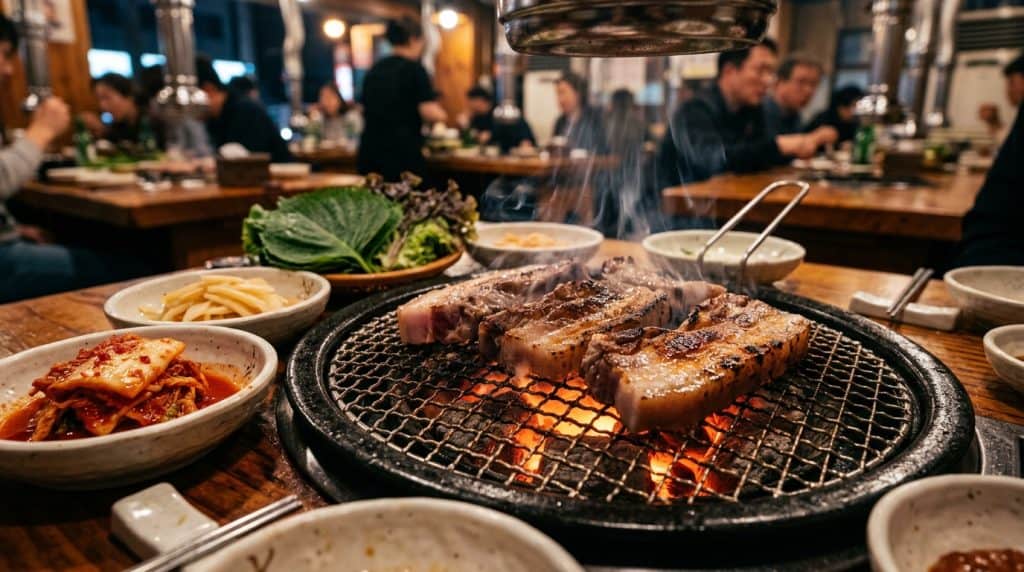
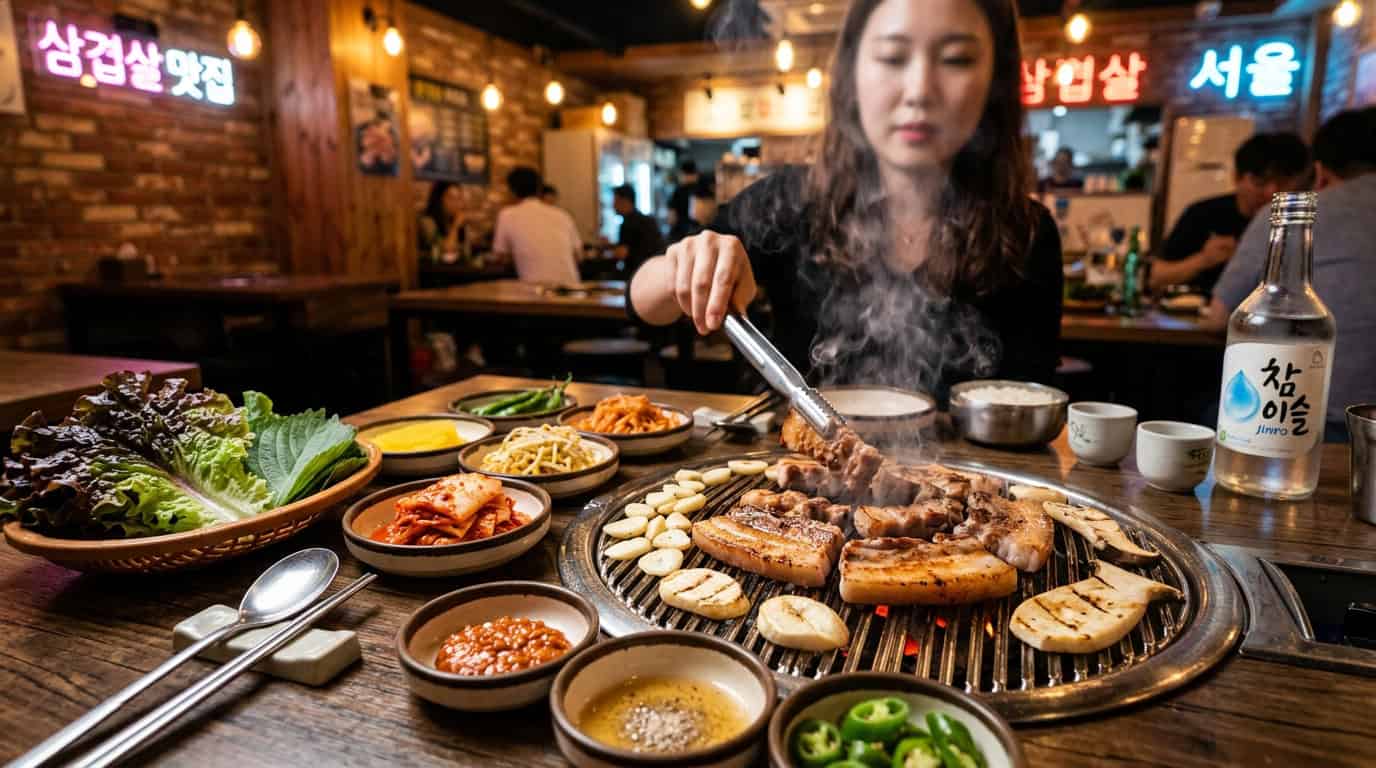
If you want the most authentic experience, prioritize the smaller, specialized restaurants rather than the large, glitzy chains. For a quintessential Seoul evening, go to a pork belly spot like Yeongdong Gyojib. If you crave comfort, seek out the specific regional cuisines like Thai or Hong Kong dim sum in the side streets of Apgujeong. You should expect to spend between 15,000 and 35,000 KRW per person for a satisfying, high-quality meal. My personal rule is to always check the local “Naver Map” reviews rather than just international platforms, as Korean diners leave the most accurate and real-time feedback on food quality and wait times.
Understanding the Gangnam Culinary Scene
Sinsa and Apgujeong are not just residential or commercial hubs; they are trendsetting epicenters where new restaurants open and close with astonishing speed. The pressure to remain ‘Instagrammable’ often outweighs the focus on flavor in some of the newer cafes, which is why I always lean toward establishments that have stood the test of time, specifically those known for their specialized menus. When you walk through Garosugil in Sinsa, you will see a high density of international chains, but if you venture two or three blocks further into the residential alleys, you discover the restaurants that local office workers and celebrities actually frequent.
Why Specialized Menus Win
In this part of Seoul, the restaurants that excel are those that do one thing and do it exceptionally well. You will find venues dedicated entirely to ‘Kal Samgyeopsal’ (knife-cut pork belly) or specific styles of spicy stir-fried pork. This specialization allows the kitchen to perfect their sourcing and preparation techniques. When I dine in Apgujeong, I avoid restaurants that claim to serve everything from pasta to traditional stews. Instead, I look for a menu with fewer than ten items. This focus is a reliable indicator that the ingredients are fresh and the recipes are refined.
The Celebrity-Favorite Factor
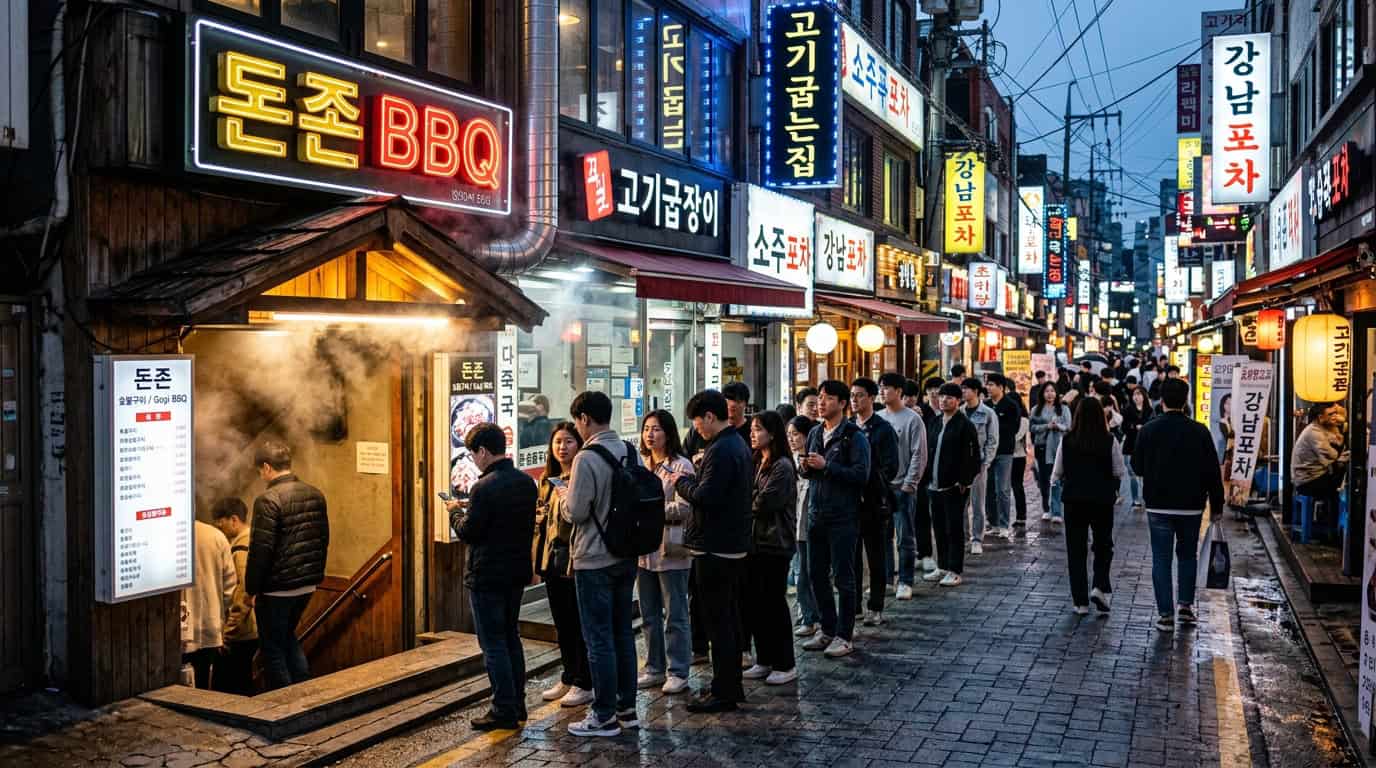
It is no secret that Sinsa and Apgujeong are magnets for K-Pop idols and actors. Many restaurants in the area have built their reputation on being regular haunts for stars during their trainee days. Places like the legendary BBQ joints frequented by members of BTS or EXO are not just tourist traps; they are high-traffic establishments because the food quality is high enough to satisfy celebrities who have access to the city’s finest. However, this comes with a caveat: these places can be incredibly loud and crowded. If you visit, be prepared to sit on stools that might be slightly uncomfortable, but understand that this is part of the ‘authentic’ experience.
Navigating the Crowds
When you visit a spot known for celebrity sightings, do not expect a quiet, romantic environment. You will likely be sitting in close proximity to other diners, and the noise levels will be high. I once tried to have a quiet conversation at a well-known BBQ restaurant near the music labels, but I found myself shouting over the sizzle of the grill and the energetic chatter of fans. My advice is to embrace the chaos. Go with a group, order the house specialty, and enjoy the high-energy atmosphere that defines the Gangnam dining culture.
Common Mistakes to Avoid
Many visitors make the mistake of assuming that all ‘trendy’ restaurants are created equal. One major error is relying solely on online photographs of the decor. A restaurant might look beautiful in a curated social media post, but if the actual food quality is mediocre, you are wasting a meal in one of the world’s greatest food cities. Always read the written reviews for comments on portion sizes and wait times.
Another mistake is ignoring the importance of ‘break times’. Many independent restaurants in Sinsa and Apgujeong close for several hours in the afternoon, typically between 15:00 and 17:00, to prep for the evening shift. I have made the mistake of arriving at 15:30, only to find the door locked. Checking the operating hours on a localized app or the restaurant’s Instagram profile before you leave your hotel is a non-negotiable step in your planning process.
Who Should Choose Sinsa and Apgujeong?
This area is ideal for travelers who enjoy a mix of high-end fashion and street-level food culture. If you appreciate the contrast between a refined, modern café and a smoky, traditional charcoal grill, you will love spending your evenings here. It is particularly great for fans of Korean pop culture who want to see the neighborhoods where idols grew up and started their careers.
You Might Want to Skip This If…
On the other hand, if you are looking for a tranquil, slow-paced dining experience in a quiet, secluded environment, Sinsa and Apgujeong might feel too intense. The streets are busy, the restaurants are fast-paced, and the atmosphere is consistently buzzing. If your budget is extremely tight, keep in mind that these districts carry a premium due to their popularity. While there are budget-friendly options, the overall price floor is generally higher than in student-heavy neighborhoods like Hongdae or Sinchon.
Cost and Value Breakdown
Dining in Gangnam does not have to be expensive, but you must be strategic. A typical meal at a casual, high-quality spot, such as a bowl of spicy pork stir-fry or a set of dumplings, will cost roughly 8,000 to 12,000 KRW. Moving up to specialized barbecue, you should budget for roughly 16,000 to 22,000 KRW per person per meat serving, plus the cost of side dishes and drinks. Alcohol, especially imported beer or spirits, will significantly raise your bill. If you want to maximize value, opt for the set menus. Many restaurants in Sinsa offer ‘lunch sets’ that include a main dish, rice, and several side dishes for a significantly lower price than the dinner equivalent.
The Art of the ‘Pojangmacha’ Experience
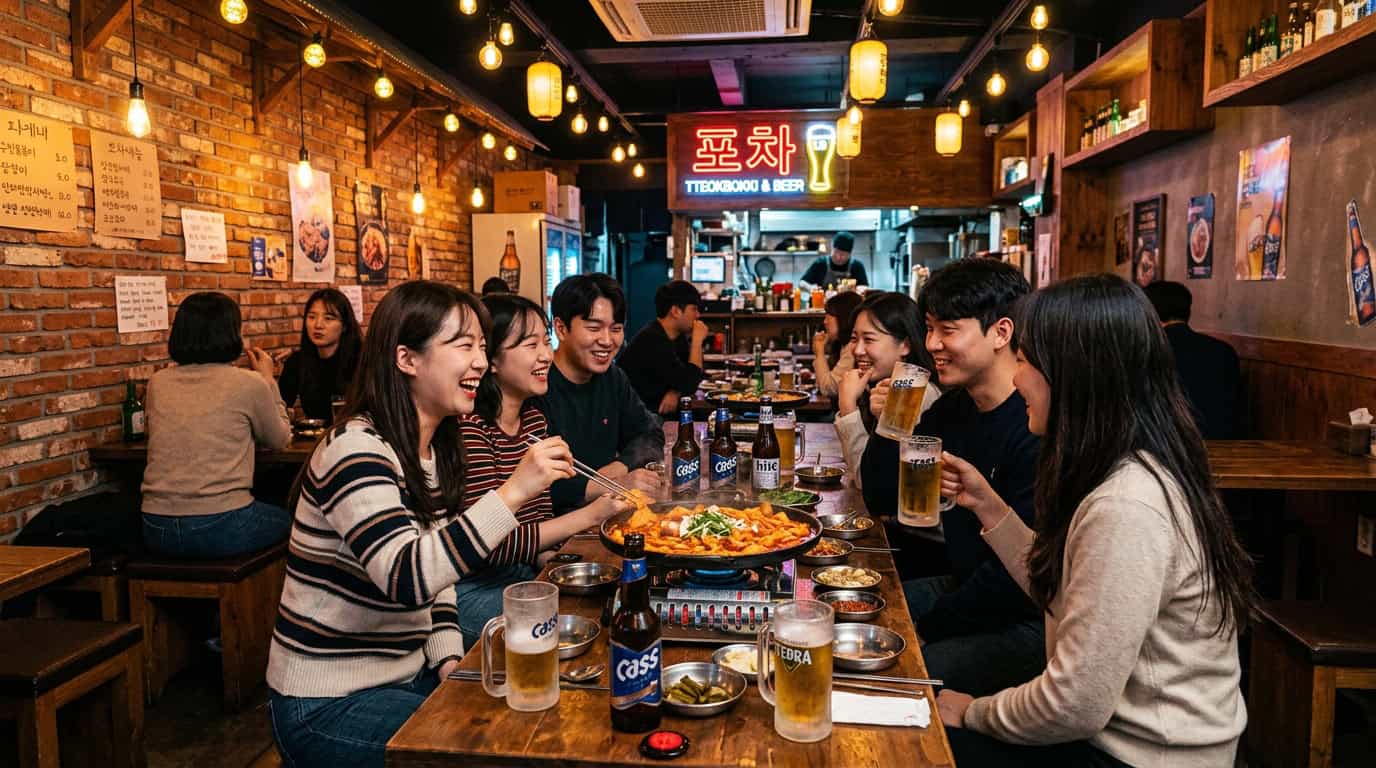
In the evening, the area transforms as the traditional pojangmacha (tent bar) culture blends with modern interior design. You can find establishments that retain the rustic, communal seating of old-school Korean street food stalls while offering a cleaner, more accessible indoor environment. These spots are perfect for late-night snacks like spicy cream tteokbokki or butter-grilled squid. I personally recommend visiting these types of places after 21:00. The lighting dims, the music gets louder, and you get a genuine sense of the local nightlife that isn’t just focused on fine dining.
Exploring International Flavors
While Korean food is the primary draw, Sinsa and Apgujeong are also home to some of the best international kitchens in the city. When I get ‘K-food fatigue’, I look for the authentic dim sum parlors or Mexican-inspired taco joints in the area. The standard for these international dishes in Gangnam is surprisingly high. Chefs here are competing with some of the best in Asia, meaning you are unlikely to get a watered-down version of foreign cuisine. However, stick to the restaurants that have a dedicated following rather than the ones that appear in every general tourist brochure.
Frequently Asked Questions
Is it hard to get a seat at popular restaurants in Sinsa without a reservation?
It can be very difficult. Most of the smaller, high-demand restaurants in this area do not offer reservations for small groups. I once arrived at 18:30 at a famous BBQ spot and was told the wait was 90 minutes. My best advice is to arrive at 17:30 or to aim for a late-night dinner after 20:30 when the initial wave of office workers has started to leave. Being flexible with your timing is the most effective way to secure a table.
Are the menus available in English at most Sinsa restaurants?
While major tourist areas are well-equipped, many of the smaller, local-focused restaurants in the residential alleys of Apgujeong might have menus only in Korean. I recommend using a translation app like Papago, which has a photo-translate feature. It is incredibly helpful for reading ingredients or identifying the house specialties. Most staff in these districts are accustomed to international visitors and are usually very patient, even if they don’t speak fluent English themselves.
Can I find vegetarian or vegan options in the Sinsa and Apgujeong area?
Finding strictly vegan food can be challenging in a neighborhood so heavily focused on pork and beef dishes. However, many Korean restaurants offer side dishes (banchan) that are vegetable-based. You can often order rice with various side dishes to create a meal. Always be cautious, as many Korean dishes use fish sauce or small amounts of meat for seasoning. If you have specific dietary restrictions, I recommend looking for ‘temple food’ or specialized healthy-eating cafes, which are becoming more common in the Apgujeong district.
Do I need to tip at restaurants in Seoul?
No, tipping is not practiced in South Korea. The price on the menu is the total price you will pay, including tax. You do not need to leave extra cash, and sometimes leaving a tip can even cause confusion. Simply pay at the counter near the exit on your way out. If you enjoyed the service, a sincere thank you in Korean—’jal meogeotseumnida’—is the best way to show your appreciation.
Conclusion
Sinsa and Apgujeong offer a sophisticated look at Seoul’s culinary evolution. By balancing the desire for trendy spots with the wisdom of seeking out specialized, long-standing local favorites, you can ensure a high-quality dining experience. Remember that the best meals in this area often come from the smallest kitchens, and the most memorable nights are found in the bustling, loud, and authentic atmosphere of a neighborhood grill. Don’t be afraid to wander off the main road—that is where you will find the real spirit of Gangnam’s food culture. Make your choices, respect the local pace, and enjoy every bite.