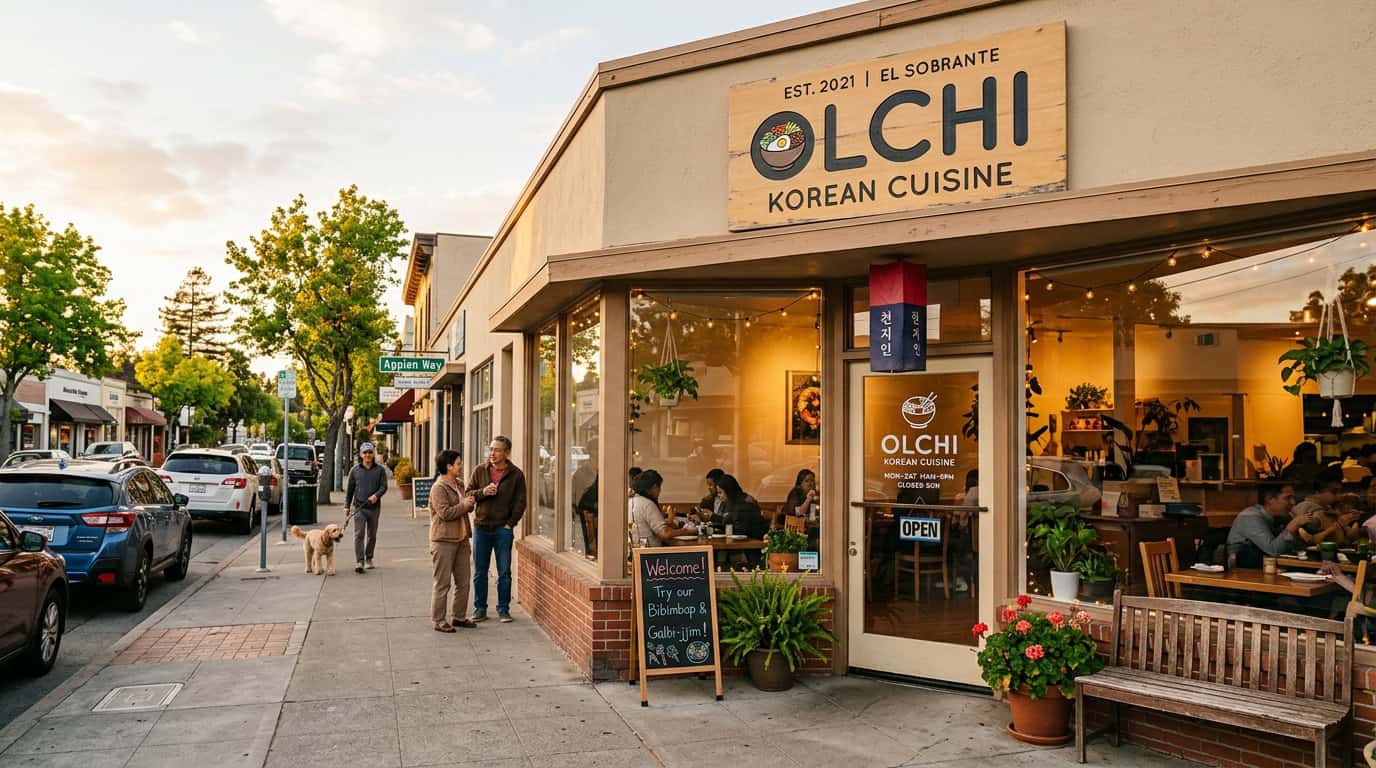
OLCHI Korean Cuisine is transforming the way local diners perceive authenticity, proving that a family’s dedication to a twenty-year-old craft can elevate a humble El Sobrante storefront into a premier culinary destination. When I first visited this spot on San Pablo Dam Road, I was struck by the lack of pretense; there are no neon lights or complex fusion concepts here, just a clear, uncompromising commitment to recipes that survived an ocean crossing. For those who prioritize flavor history over modern ambiance, this is the neighborhood anchor you have been searching for.
Quick Summary
The restaurant is a family-run labor of love, continuing culinary traditions from their original 2002 Seoul location.
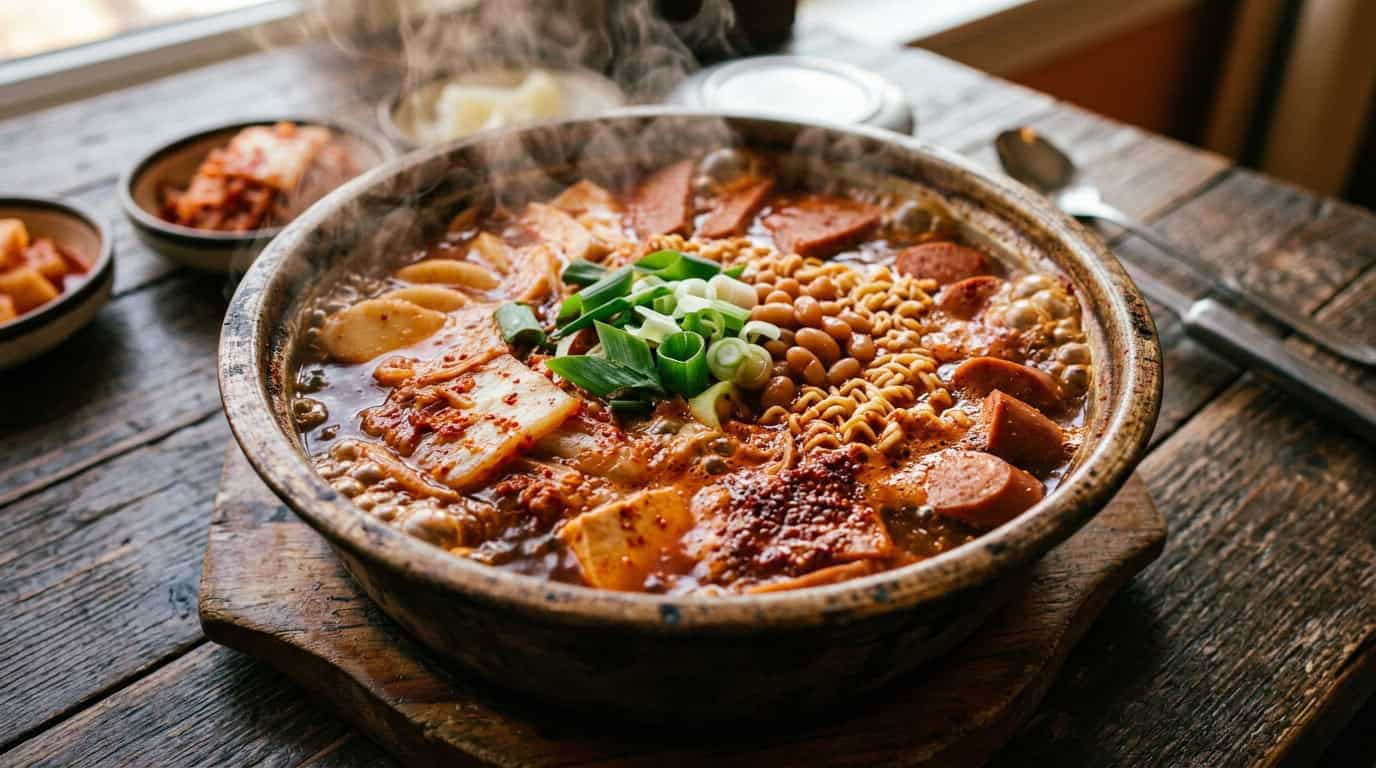
Menu highlights include authentic Pork Bulgogi, Budae Jjigae, and hand-tangled japchae noodles.
Every member of the family plays a critical role, from kitchen operations to the total renovation of the building.
The name ‘OLCHI’ translates to ‘That’s right,’ a philosophy focused on perfect, consistent execution rather than trends.
It is a prime example of successful immigrant entrepreneurship and the revitalization of suburban commercial corridors.
The Direct Answer: Why You Should Visit OLCHI
If you want to know if OLCHI Korean Cuisine belongs on your regular rotation, the answer is a resounding yes, provided you value substance over style. You should visit because the kitchen is powered by genuine muscle memory—the kind of expertise developed from years of cooking the same dishes under the same pressure. If you are looking for a high-end, date-night spot with dim lighting and complex cocktails, you might be disappointed. But if you want a bowl of budae jjigae that tastes exactly like a home-cooked meal in Apgujeong, this is where you need to be this weekend.
A Journey From Apgujeong to El Sobrante
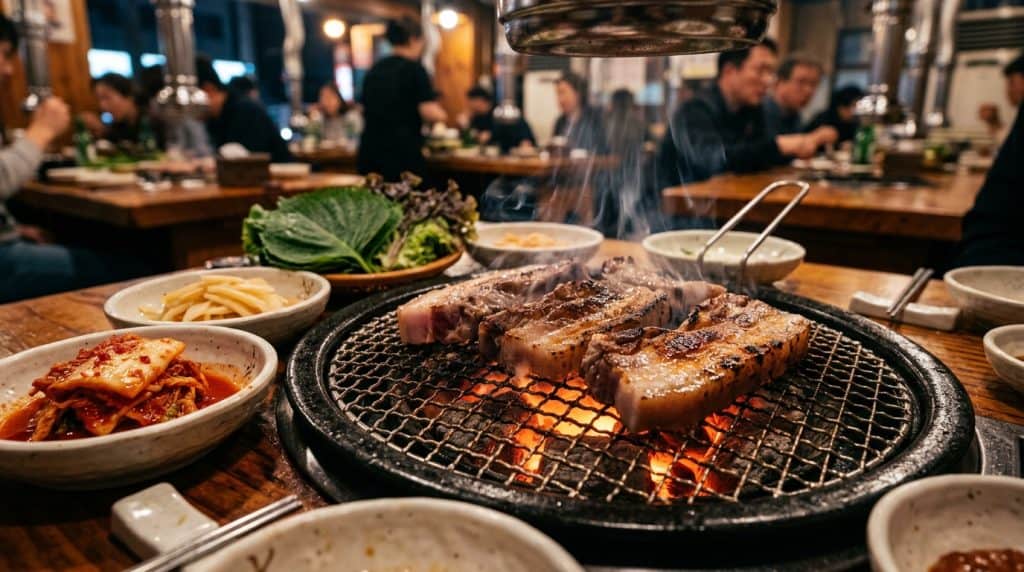
The history of OLCHI Korean Cuisine is not a marketing story; it is a timeline of resilience. From 2002 to 2008, the family managed a successful eatery on Rodeo Street in the affluent Apgujeong district of Seoul. They built their reputation on charcoal-grilled galbisal and a budae jjigae recipe that became their signature. When the 2008 economic downturn hit, they were forced to close, leading to a decade of working in various Bay Area kitchens. I have spoken with many immigrant families in the restaurant business, and the ‘dream’ of opening your own place usually fades under the weight of rent and overhead, but this family held onto their original recipes through every shift they worked as waitstaff.
When the former Pho Nation space on San Pablo Dam Road became available, they didn’t see an empty shell; they saw a future. The transformation of this space was a literal family effort—the father tore the interior down to the studs to build a functional, professional kitchen. It’s rare to find a place today where the person serving your food is the same person who laid the flooring or fine-tuned the website. That level of ownership carries over directly to the plate.
Culinary Highlights: The Power of Repetition
Consistency is the ghost in the machine of the restaurant industry, and at OLCHI, they have solved for it by refusing to change their menu to chase fads. The Pork Bulgogi is arguably the most honest version of the dish I have eaten in the Bay Area. The meat is marinated to ensure the flavors penetrate deep into the fibers, avoiding the common mistake of ‘sugary’ glazes that burn too quickly. The heat profile is progressive; it doesn’t slap you in the face immediately, but instead builds into a sustained, pleasant warmth.
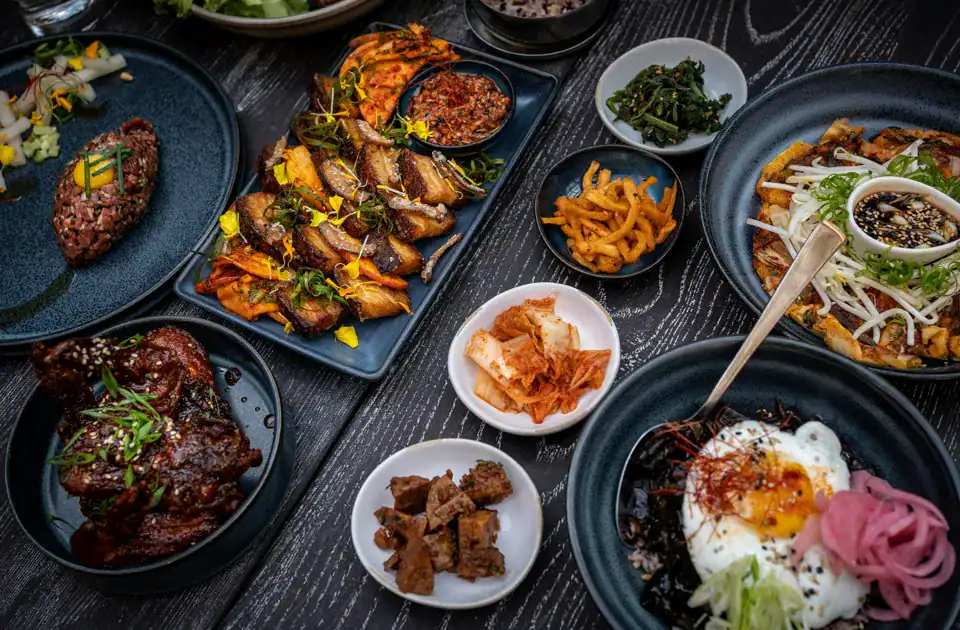
Then there is the japchae. I’ve seen many places fail here by serving noodles that are either mushy or clumpy, but the dangmyeon (sweet potato starch noodles) at OLCHI arrive slippery, sweet, and perfectly tangled with fresh vegetables. The oceanic funk of the eomuk bokkeum (stir-fried fish cakes) is another detail that separates this place from the generic fast-casual options. It is a bold flavor, and it serves as a litmus test for whether you truly understand the profile of home-style Korean cooking.
Strategic Insights: The Evolution of Local Corridors
We are currently seeing a ‘noodle corridor’ emerging along San Pablo Avenue and San Pablo Dam Road. With the introduction of restaurants like Top Thai Cuisine and the continued reliability of spots like Q’s Halal Pizza, Richmond and El Sobrante are becoming hubs for authentic, global comfort food. OLCHI fits into this narrative by acting as a cultural anchor. Unlike the ‘Gourmet Ghetto’ areas that focus on artisanal, high-priced dishes, these locations thrive by providing massive value and high-quality staples to a diverse local population.
I have observed that these areas are stabilizing because they are no longer dependent on large, corporate chains. When a family-owned business like OLCHI moves into a formerly vacant storefront, it changes the character of the street. It brings a level of community commitment that a franchise simply cannot replicate. The success of this corridor is not built on gentrification; it is built on the reality of people living, working, and eating in the same neighborhood where they spend their daily lives.
Who Should Visit OLCHI (And Who Should Not)
Understanding whether a restaurant fits your personal preferences is half the battle. Here is a breakdown to help you decide.
This is ideal for:
Flavor Seekers: If you prefer deep, traditional, well-developed flavors over trendy fusion gimmicks.
Local Foodies: Residents of Richmond, El Sobrante, and San Pablo who want high-quality meals without driving into the city.
Supportive Patrons: People who believe in supporting family-operated businesses that have a genuine, multi-decade history behind their recipes.
Casual Diners: Those who value clean, bright, functional spaces where the focus remains entirely on the quality of the ingredients.
You might want to skip this if:
Ambiance Chasers: If you require mood lighting, high-end decor, or a ‘scene’ to feel like your meal is worth the price, you will find the simplicity here underwhelming.
-
-
- Fusion Enthusiasts: If you are searching for Korean-Mexican tacos or trendy Instagram-ready snacks, this is not the place for you. They focus on the classic repertoire, not the modern remix.
-
Common Mistakes to Avoid
Many people make the mistake of treating a family-run place like a fast-food chain. The first error is rushing the server. Because the cooking is handled by the family, there is an inherent pace that isn’t geared toward ‘get-in-get-out’ efficiency. Take the time to enjoy the side dishes (banchan) as they arrive; they are a vital part of the composition. Another mistake is ignoring the staff’s recommendations. Since the family operates as a unit, Tony or Olivia often have great insight into which dishes are freshest that day. Don’t be afraid to ask what they are currently enjoying, as the kitchen often tweaks their prep based on local market availability.
Cost and Value Assessment
Value in the current economy is often difficult to measure, but OLCHI succeeds by providing a ‘high emotional ROI.’ When you pay for a meal here, you are paying for the quality of the ingredients—which are sourced daily—and the expertise of a chef who has perfected these dishes over twenty years. A typical meal for two, including a shared appetizer and two main entrees, will range between $50 and $70. Compared to the ‘menu fatigue’ you might experience at a more expensive downtown bistro, where a single cocktail can cost $18, this feels like an investment in a much more satisfying experience. The portion sizes are generous, often leaving you with enough for a second meal the next day, which only adds to the objective value.
Frequently Asked Questions
Is the menu at OLCHI Korean Cuisine spicy?
The heat levels are traditional, meaning they are designed to be flavorful rather than simply painful. The Pork Bulgogi and budae jjigae both feature a gentle heat that develops as you eat, but it is generally approachable for most diners. If you are highly sensitive to spice, the japchae and other non-spicy vegetable dishes are excellent alternatives that don’t compromise on flavor.
Can I make reservations for large groups?
Because the space is intimate and the operation is a tight-knit family affair, it is always best to call ahead if you have a group larger than four people. This helps the team manage their prep cycles in the kitchen, ensuring your group gets the same quality of service as a party of two. They are accommodating, but their primary focus is on maintaining the integrity of the kitchen’s workflow.
What does ‘OLCHI’ actually mean?
The name comes from a Korean expression that translates roughly to ‘That’s right.’ It signifies a moment of clarity or perfect execution. For the owners, it represents the exact moment a dish reaches the right flavor profile. When you find yourself nodding after a bite of their signature stew, you’ll understand why they chose that name—it’s that feeling of everything clicking into place.
Do they offer vegetarian options?
While the menu is heavily influenced by classic Korean BBQ and stew traditions, there are vegetable-forward dishes like japchae and various sides that can cater to vegetarian diets. However, because this is a traditional Korean kitchen, it is always a good idea to clarify with the server about the use of fish sauce or other animal-based seasonings in the preparation of certain side dishes.
Conclusion: The Miracle of the Neighborhood
In a world where we can tap a button on our phones and have food from anywhere arrive at our door, there is something deeply grounding about physically going to a place like OLCHI. It is a testament to the fact that great food doesn’t need to be expensive or overly complicated; it just needs to be honest. The story of this family moving from a successful career in Seoul to a new life in California, only to bring their recipes back to life in a suburban kitchen, is exactly the kind of narrative that defines our local landscape.
I’ve visited enough restaurants to know that you can taste the intent behind the cooking. At OLCHI, the intent is clear: they are cooking to feed you the same way they would feed their own kin. That is a rare commodity. So, skip the chains this weekend. Drive down to San Pablo Dam Road, grab a seat, and order the Pork Bulgogi. You are supporting a dream that has traveled thousands of miles, and honestly, you will be hard-pressed to find a more authentic, hearty meal in the entire East Bay. When you take that first bite, you’ll know exactly why they called it OLCHI—because it is, quite simply, just right.