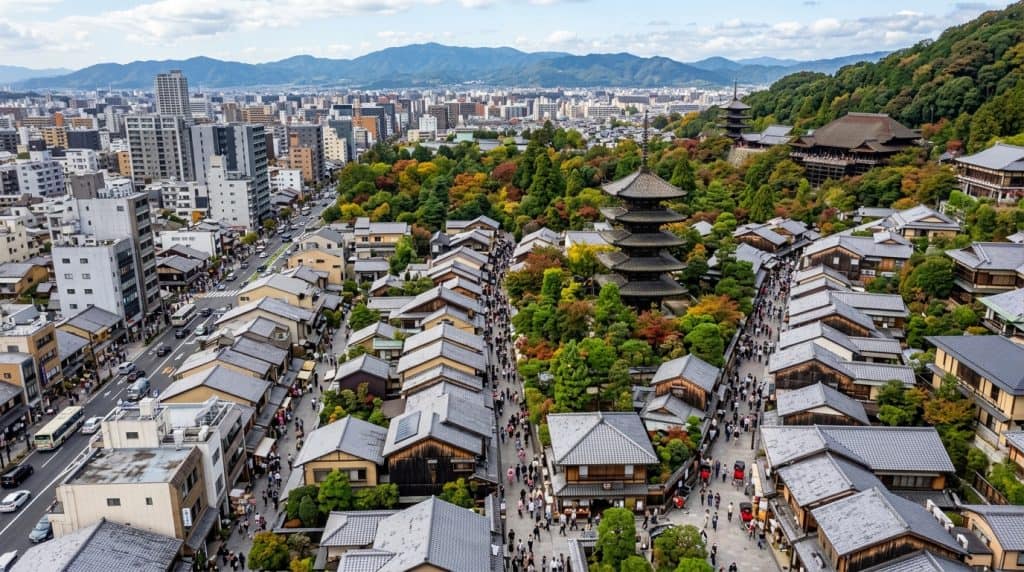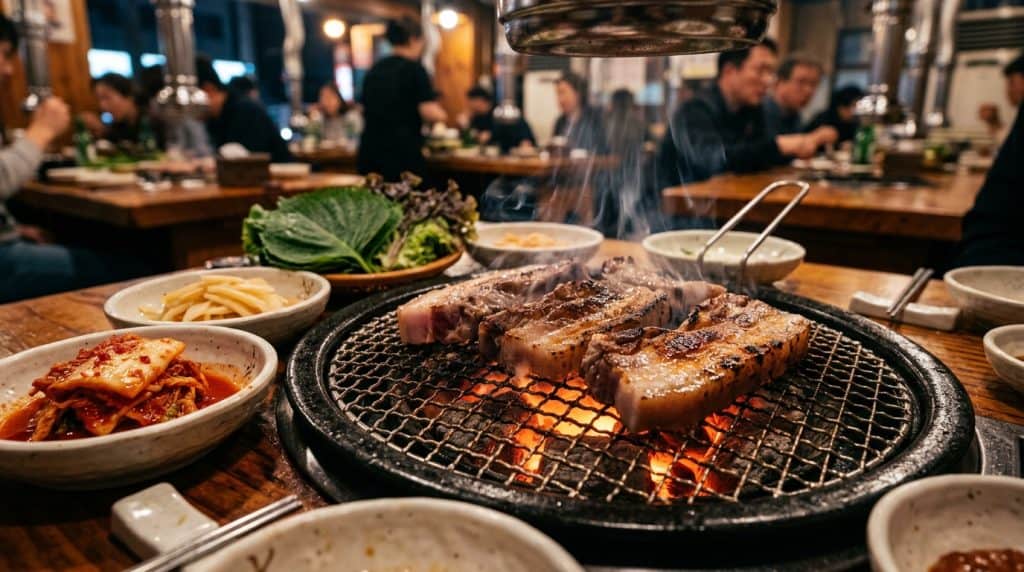
Finding Thailand hidden destinations feels increasingly difficult when every travel brochure pushes you toward the same crowded beaches and neon-lit roads. I remember standing on a congested sidewalk in Phuket a few years ago, surrounded by aggressively loud bars and overpriced taxi touts, wondering where the quiet, traditional country I had read about actually existed. It turns out, that country is still very much alive—you just have to look beyond the standard two-week vacation circuit of Bangkok, Chiang Mai, and the western islands.
Escaping the tourist hordes does not require a massive budget or months of free time. By simply crossing a river in the capital, driving ninety minutes outside a major northern hub, or choosing an island that lacks an airport, you unlock a completely different version of the country. This guide breaks down exactly where to go, what it costs, and how to survive the local transit networks to find absolute isolation.
Quick Summary
- Swap major islands for remote archipelagos: Skip Phuket and Koh Samui for Koh Tarutao, Koh Kood, or Koh Mook, where massive resorts are replaced by local fishing villages and empty coastlines.
- Head to the deep north and borders: Towns like Sangkhlaburi and Mae Salong offer deep cultural immersion, heavily influenced by neighboring Burmese and Yunnanese communities.
- Transit requires serious patience: Reaching these spots often demands long overnight bus rides, specific ferry schedules, or navigating hundreds of mountain curves.
- Cash is an absolute necessity: Remote areas have highly unreliable ATM access. Always carry thousands of Baht in physical cash before leaving the mainland.
- Nature dictates the schedule: National marine parks like Koh Tarutao close entirely for half the year due to monsoon seasons, requiring careful itinerary planning.
The Direct Answer: Where Should You Go?
If you want the quintessential tropical paradise without the noise, you should head straight to Koh Kood in the eastern Gulf or Koh Tarutao in the deep south. These islands are ideal for couples, slow travelers, and anyone who wants to ride a scooter on empty roads and eat fresh crab in stilted fishing villages.
However, if you prefer crisp mountain air, deep cultural immersion, and dramatic photography, you should target Phu Langka in Phayao for sunrise cloud inversions, or the Yunnanese-influenced Ban Rak Thai in Mae Hong Son. For those seeking history without the crowds, rent a bicycle to explore the 13th-century ruins of Sukhothai instead of the heavily trafficked Ayutthaya.
If you want to expand this route, pair this article with
Koh Kood Travel Guide,
Offbeat Thailand Destinations Guide,
and
Wat Chaloem Phra Kiat Guide
for a stronger Thailand hidden gems itinerary.
The Illusion of the Mainstream Circuit
The primary reason travelers fail to see authentic Thailand is a perceived lack of time. A standard seven-to-fourteen-day trip restricts most visitors to major airport hubs. You fly into Bangkok, take a domestic flight to Chiang Mai for temples, and fly south to Krabi or Phuket for the beach.
This infrastructure traps millions of people on the exact same loop. Prices inflate, menus are translated into five languages, and authenticity vanishes. Breaking this loop simply requires a willingness to take a regional bus or hire a local driver to push past the final stop on the commercial tourist map.
Southern Coastal Escapes: Beyond the Crowds
Thailand has hundreds of islands, but most people stop counting after the famous five or six. If you are willing to endure a slightly longer ferry ride, the Andaman Sea and the Gulf hold incredible isolation.
Koh Tarutao (The Former Prison Island)
Located just a thirty-minute speedboat ride from the popular Koh Lipe, Koh Tarutao feels like an entirely different planet. Historically, this island was used as a remote prison housing over 3,000 inmates. Today, it is a strictly protected national marine park.
There are zero typical tourist crowds here. Thai locals largely avoid visiting due to cultural superstitions regarding lingering spirits from the prison era. When I rented a heavy, slightly rusted mountain bike to explore the island, I rode for hours along miles of deserted white sand without seeing another human.
Crucial restriction: Koh Tarutao National Park is strictly closed during the rainy season from May 15th to October 15th. You sleep in basic park ranger bungalows at Ao Molae beach or pitch a tent under the stars.
Koh Kood (The Eastern Frontier)
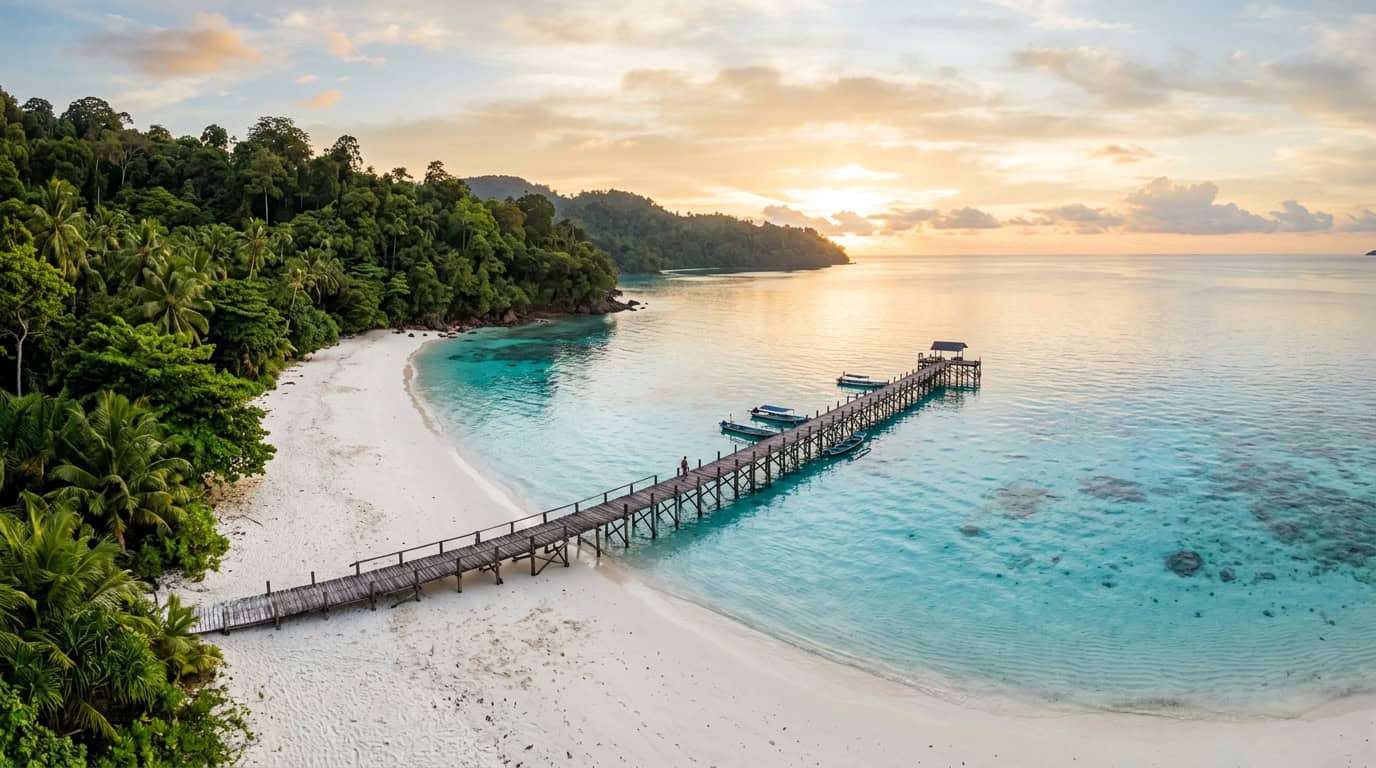
Koh Kood (or Ko Kut) is the fourth-largest island in the country, yet it remains gloriously undeveloped. Located near the Cambodian border in Trat province, the entire eastern half is a protected military zone, preventing mass resort expansion.
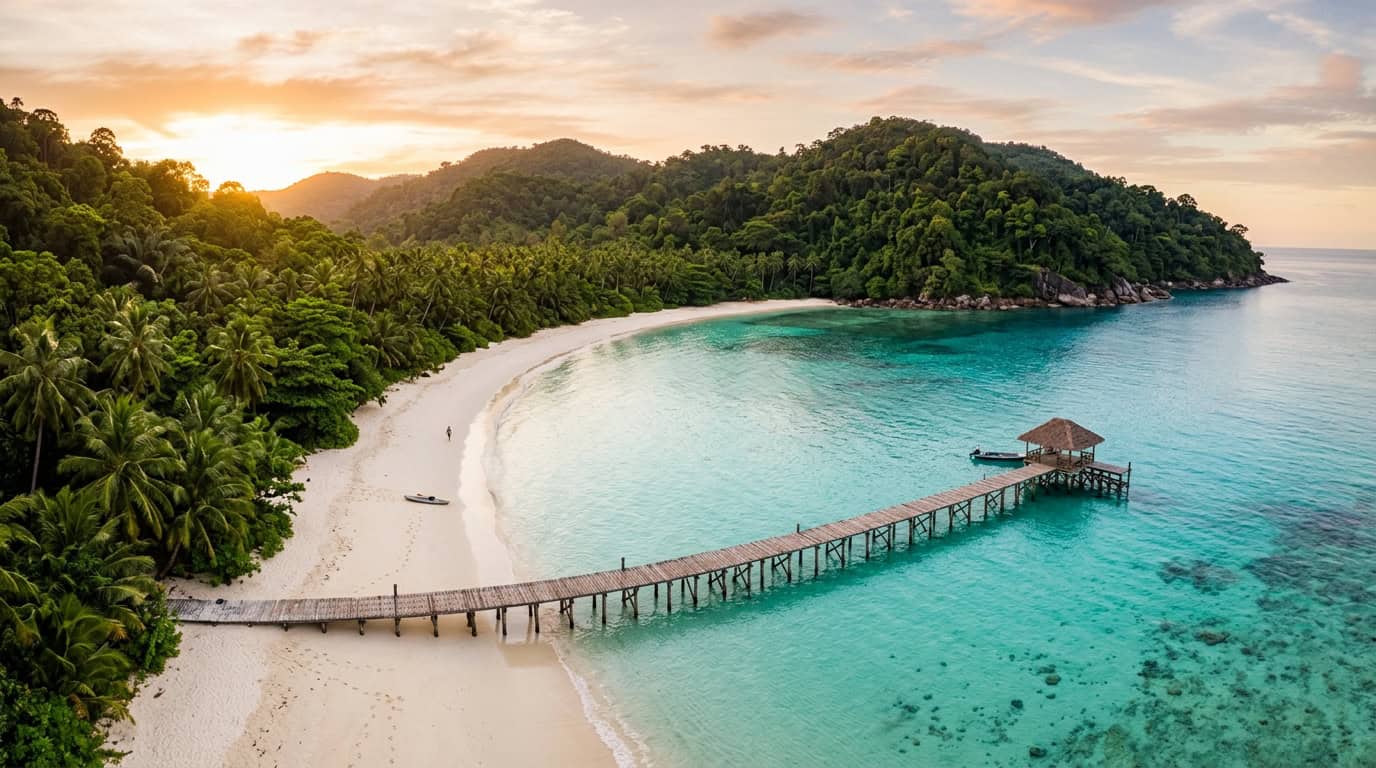
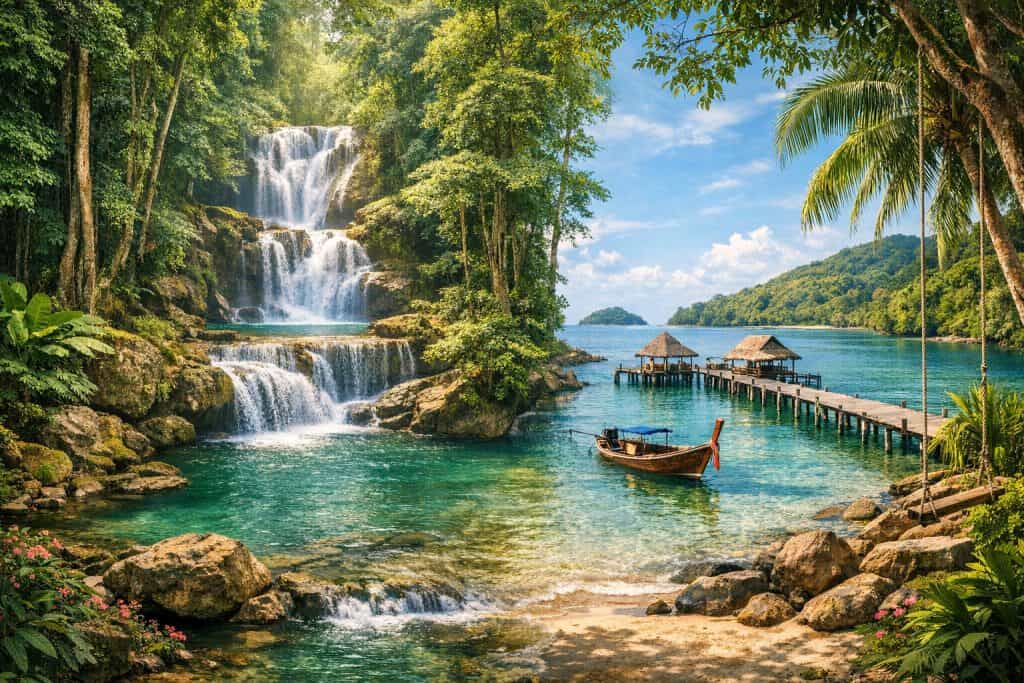
There are no massive shopping centers or jet skis ruining the peace. The water clarity rivals the Maldives, particularly at Ao Taphao Beach and the squeaky white sands of Khlong Chao Beach.
My biggest piece of advice here: rent a scooter, but drive cautiously. The access paths to smaller beaches are unpaved, sandy, and steep. I once watched a tourist lock their front brake on a sandy hill and immediately dump their scooter into the brush. Also, be aware of sandflies on certain beaches. Standard mosquito repellent rarely works; instead, buy a bottle of local coconut oil and apply a thick layer to your legs to stop them from biting.
Khanom and the Pink Dolphins
While nearby Koh Samui receives millions of tourists, the mainland beach town of Khanom remains intensely quiet. Located near Donsak Pier, this area’s primary draw is its population of rare pink dolphins.
Instead of booking a highly commercialized tour, you can simply show up at Nang Kam Beach and negotiate a ride on a traditional long-tail boat directly with local fishermen. Staying overnight in the local town of Khanom offers a highly affordable, local coastal experience that island-hoppers completely miss.
Northern Mountain Retreats: Mist and Culture
While the southern islands dominate postcard imagery, the northern highlands hold some of the most spectacular Thailand hidden destinations. These areas require braving hundreds of steep mountain curves, but the reward is cool weather and deep cultural complexity.
Ban Rak Thai and Mae Salong
The northern borders do not feel like Thailand at all. Ban Rak Thai, sitting on a lake near the Myanmar border in Mae Hong Son, is a heavily isolated Yunnanese Chinese village. Instead of typical green curry, you eat highly spiced black chicken and sip oolong tea grown on the terraced hills surrounding the local lake.
Similarly, Mae Salong in Chiang Rai province was founded by Chinese soldiers who fled communist rule in 1949 and eventually settled here in 1961. The town fiercely maintains its Chinese heritage. I spent an afternoon here watching the local Akha hill tribes selling handmade goods in the market while the smell of roasting tea leaves drifted through the valley.
Phu Langka
Located in the highly overlooked Phayao province, Phu Langka offers a geographical phenomenon known as the Sea of Mist. During the early morning hours, particularly in the rainy season or winter, a thick cloud inversion fills the valley below.
Limestone karsts jut out of the clouds like jagged islands in a white ocean. There are a few modest eco-lodges perched on the cliff edges. It is a slow destination where the primary activity is simply sitting on a wooden balcony with a hot coffee, watching the clouds shift as the sun rises over the horizon.
Wat Chalermprakiat (Lampang)
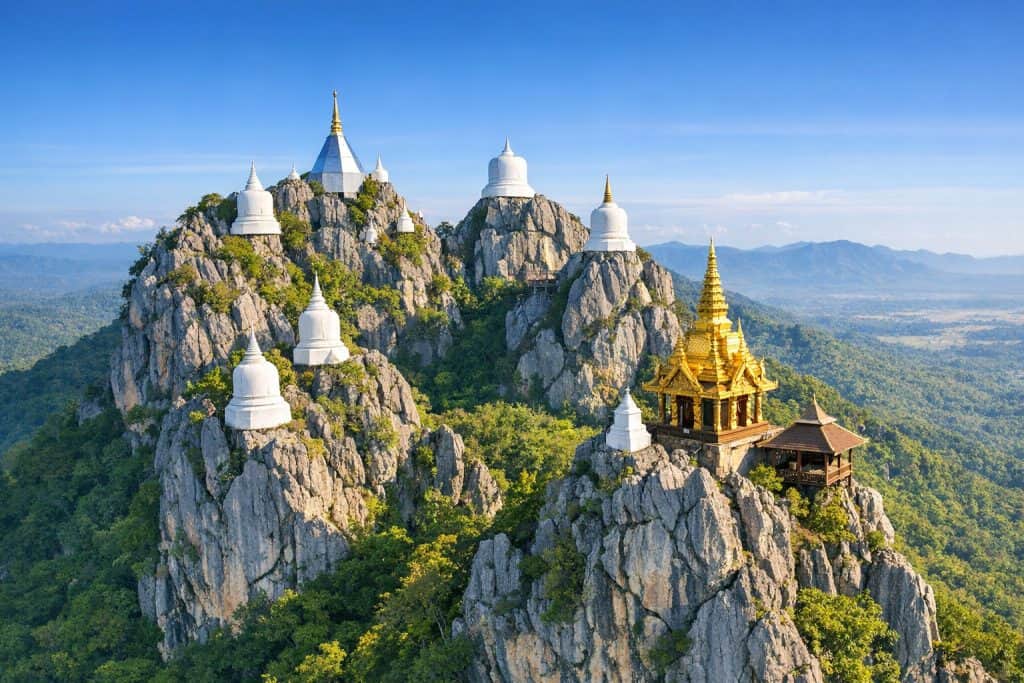
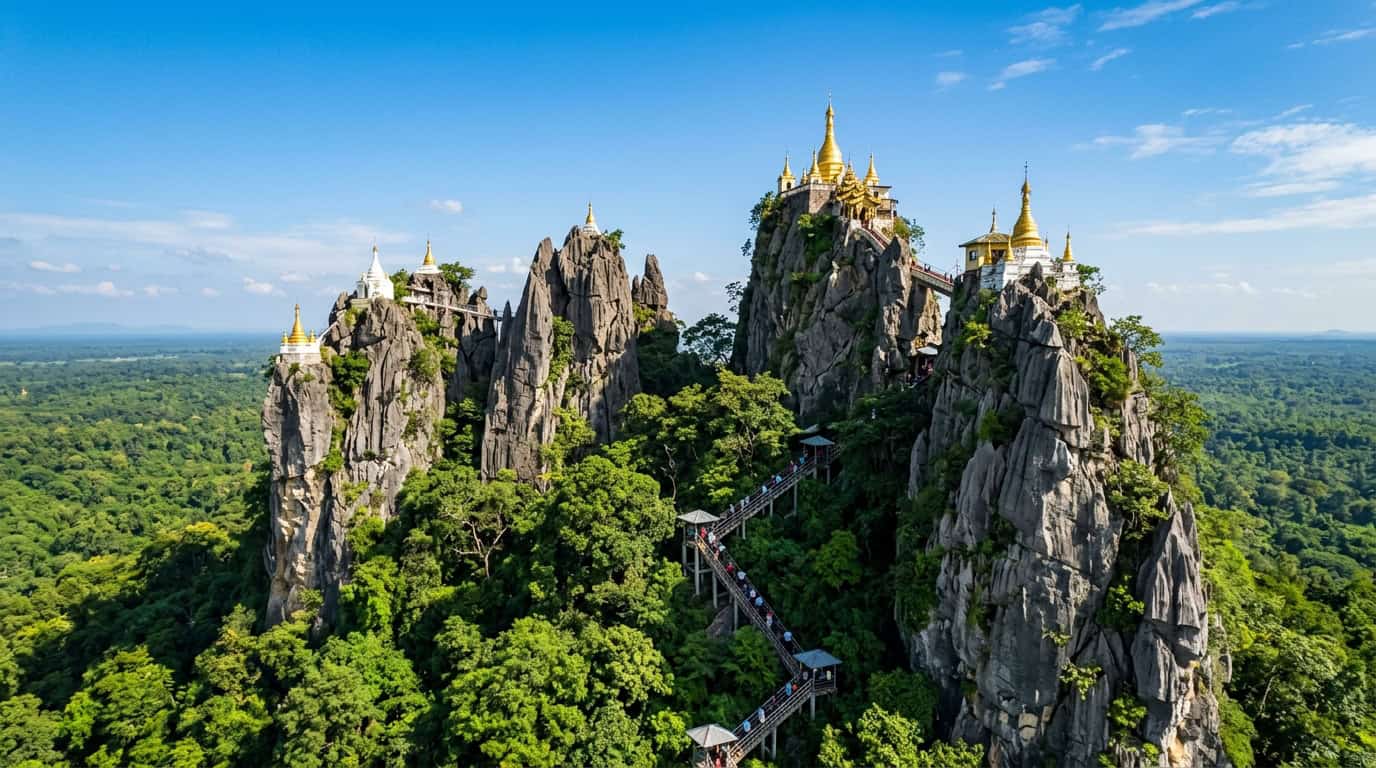
This is perhaps the most dramatic temple complex in the country, yet few foreign tourists make the trek. Located ninety minutes from Chiang Mai in Lampang province, Wat Chalermprakiat features dozens of small, white pagodas balanced precariously on the jagged peaks of a limestone mountain.
You cannot drive your own vehicle to the top. You must park at the base, pay for a local 4WD pickup truck to haul you up a terrifyingly steep dirt road, and then hike a grueling 800-meter iron staircase. I found the climb absolutely exhausting in the midday heat, and my calves burned for days afterward. But reaching the summit and hearing the wind ring the small brass bells attached to the pagodas was an unmatched reward.
Deep Central and Isaan: The Heart of the Country
The central plains and the northeastern Isaan region hold ancient history and strange geographical anomalies that mainstream tourism largely ignores.
Sukhothai vs. Ayutthaya
Most travelers visiting Bangkok take a day trip to Ayutthaya to see historical ruins. The problem is that thousands of other people have the exact same idea. By midday, Ayutthaya is packed with tour buses and heavy traffic.
Instead, travel further north to Sukhothai. Dating back to the 13th century, this UNESCO World Heritage Site is older, larger, and significantly less crowded. Rent a bicycle from your guesthouse for 50 THB and ride through the historical park at dawn. You will likely have entire ancient stone Buddha statues completely to yourself as the morning sun cuts through the trees.
Sangkhlaburi and the Mon Bridge
Located in the deep jungle a few hours west of Kanchanaburi, near the Myanmar border, Sangkhlaburi is a culturally divided town. The two halves of the town are connected by the 400-meter-long Mon Bridge, the longest handmade wooden bridge in Thailand.
The western side is heavily Burmese-influenced. You will notice locals with reddish-black teeth, a result of continuously chewing betel nuts for a mild stimulant effect. For accommodation, I highly recommend P Guesthouse; it sits directly on the lake with a private pier, allowing you to swim in the cool reservoir water after a hot day of exploring the nearby sunken temples by long-tail boat.
Ubon Ratchathani and Sam Phan Bok
In the far east, bordering Laos, Ubon Ratchathani holds Sam Phan Bok, often referred to geographically as Thailand’s Grand Canyon. During the dry season, the receding waters of the Mekong River reveal thousands of bizarre, water-carved rock basins. It looks like the surface of the moon, and exploring the rocky expanse offers incredible, uncrowded photography opportunities.
Cost and Budget Scenarios
When planning a trip to remote Thai destinations, the economics shift depending on whether you choose mountains or islands.
The Remote Mainland Advantage
Mountain towns and deep Isaan provinces are generally much cheaper because they cater primarily to domestic Thai tourists. You can find incredible homestays in places like Phetchabun or Phayao with cliffside views for 400 to 600 THB ($11 to $17) per night. A massive bowl of authentic northern Khao Soi noodles will rarely exceed 50 THB ($1.50).
The Island Premium
Because everything must be shipped in by boat, isolated islands like Koh Kood or Koh Mook are noticeably more expensive.
Budget Accommodation: A basic fan room runs roughly 700 THB ($20) per night.
Mid-Range: A nice air-conditioned room at a resort runs $50 to $80 per night.
Food: Cheap street food costs 20 THB, while a fresh seafood dinner at a stilted restaurant will run you about 500 THB ($15).
Extracted Transit Costs from Bangkok
To give you a realistic idea of overland transit costs, here is a breakdown of standard bus and bus-to-boat transfer packages departing from Bangkok to various southern hubs. Note: Prices are approximate and fluctuate by season.
Common Mistakes to Avoid
1. Showing up without enough physical cash
This is the most frequent trap travelers fall into. Islands like Koh Kood have only four ATMs across the entire landmass. During busy holiday weekends, these machines are quickly emptied and can take days to restock. I once wasted an entire afternoon driving across an island just to find a broken cash machine. Always pull out at least 10,000 to 15,000 THB before getting on a mainland ferry or driving into a remote mountain village.
2. Miscalculating transit exhaustion
Looking at a map, Mae Hong Son seems relatively close to Chiang Mai. In reality, the famous Mae Hong Son loop contains nearly 1,900 hairpin turns. Trying to drive there and back in two days will leave you physically wrecked and violently motion-sick. Always budget dedicated travel days when moving between remote destinations, and build in rest time.
3. Falling for unethical wildlife traps
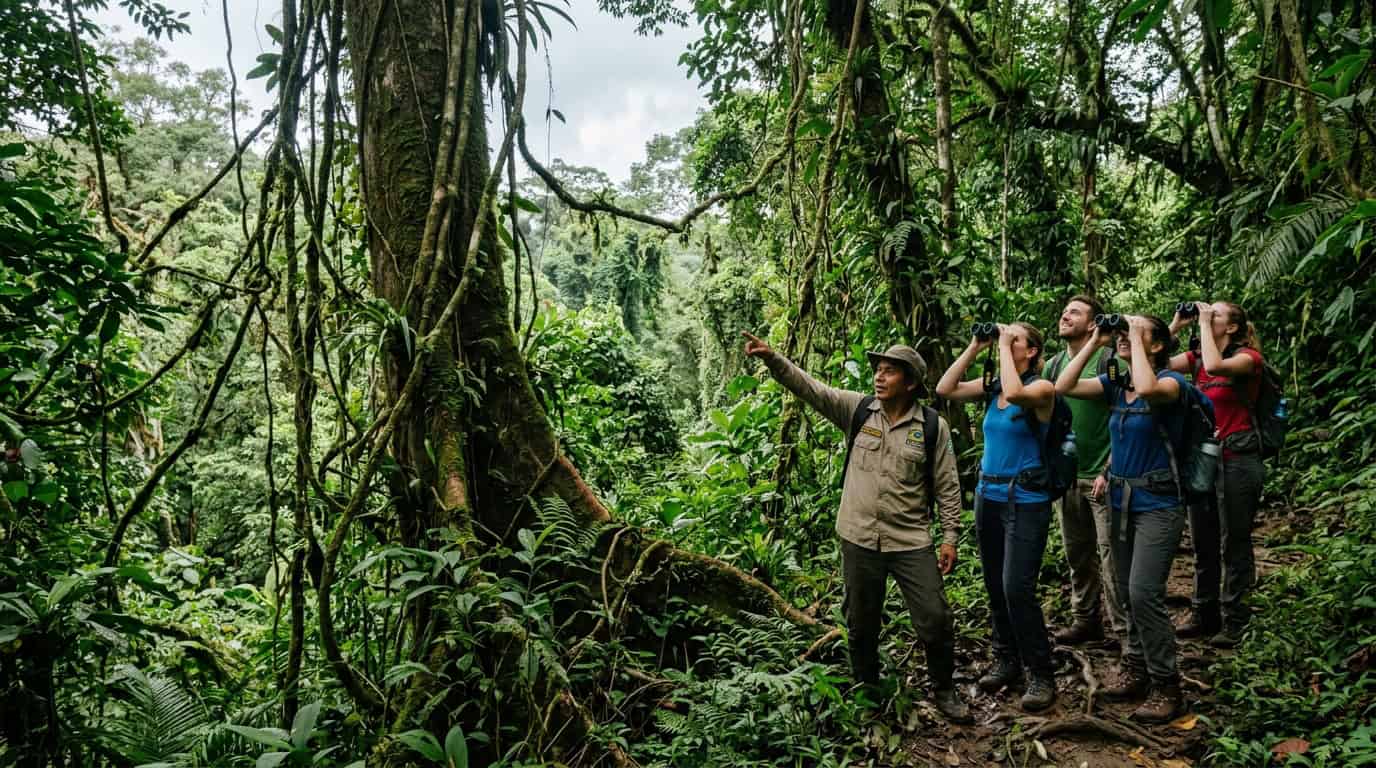
When looking for nature, many tourists accidentally book exploitative animal encounters. Instead of generic elephant riding camps, head to Khao Yai National Park (just two hours from Bangkok). Stay at the Greenleaf Guesthouse in Pak Chong, where they provide leech socks and organize highly ethical, full-day jungle treks using spotting scopes to see wild elephants, gibbons, and hornbills in their natural, free-roaming habitat.
Who Should Visit (And Who Should Not)
These destinations are ideal for:
Independent planners: You need to be comfortable managing your own bus schedules, booking domestic flights, negotiating with long-tail boat drivers, and riding scooters on dirt roads.
Nature and culture lovers: If your perfect day involves reading a book under an empty palm tree, hiking to a waterfall, or drinking tea in a misty tribal village, these spots deliver heavily.
Slow travelers: Because transit takes up to a full day for places like Koh Kood or Ban Rak Thai, you need to stay at least four to five days in each location to make the exhausting trip worthwhile.
You might want to skip this if:
You need constant evening stimulation: There are no shopping malls, neon-lit walking streets, or massive beach clubs in these areas. By 9:00 PM, most remote villages and islands are completely silent.
You rely on strict Western conveniences: Koh Kood has no 7-Elevens. Sangkhlaburi has extremely limited English speakers. Medical facilities in these remote areas are highly basic; serious injuries require long evacuations.
You have severe mobility issues: Getting to places like Wat Chalermprakiat requires intense climbing on uneven iron stairs, and navigating island piers or mountain villages often involves unstable, rocky ground.
Frequently Asked Questions
Is it safe to ride a scooter on these remote islands?
Islands like Koh Kood and Koh Yao Noi are exceptionally safe for scooter riding regarding traffic, as there are almost no cars. However, the terrain itself is the danger. Access roads to smaller beaches are often unpaved, sandy, and steep. You must drive slowly. If you have zero experience on a motorbike, stick to shared local taxis or rent a bicycle.
Are these locations accessible year-round?
No. You must plan around the monsoon season. For example, Koh Tarutao National Marine Park is strictly closed from mid-May to mid-October. Furthermore, mountain roads in the north become highly dangerous and prone to mudslides during heavy July and August rains.
Can I easily travel between the eastern islands like Koh Chang and Koh Kood?
Yes. During the dry high season (November to April), there are direct speedboat and catamaran transfers between Koh Chang, Koh Mak, and Koh Kood. The ride from Koh Chang to Koh Kood takes about 1.5 hours, making it easy to string together an island-hopping itinerary without returning to the mainland.
Do I need a local guide for the mountain treks?
For basic national parks, no. But for deep jungle exploration, a local guide elevates the trip entirely. For instance, on Koh Chang, hiring a local legend named Mr. Tan for the Klong Prao Trek grants you access to secret paths and crystal-clear river swimming spots that no generic tour agency knows about.
Moving Forward
Finding true Thailand hidden destinations takes a deliberate commitment to stepping away from the easy, heavily marketed routes. By trading the convenience of a direct airport transfer for a long overnight bus ride and a choppy ferry, you unlock the country’s most authentic landscapes.
Whether you decide to sink your toes into the squeaky white sand of Ao Taphao on Koh Kood, navigate the 1,900 mountain curves to sip hot tea in Ban Rak Thai, or climb the jagged limestone peaks to Wat Chalermprakiat, these locations deliver the profound serenity that made the country famous decades ago. Skip the crowded tourist traps, grab some physical cash, and go see the quiet side of the Kingdom.
For nearby planning angles, connect this article with
Getting Around Bangkok
and
Koh Kood Travel Guide
so readers can move from gateway logistics to remote-island planning without breaking the Thailand cluster.