Top Things to Do in Dotonbori: Osaka’s Neon Food District
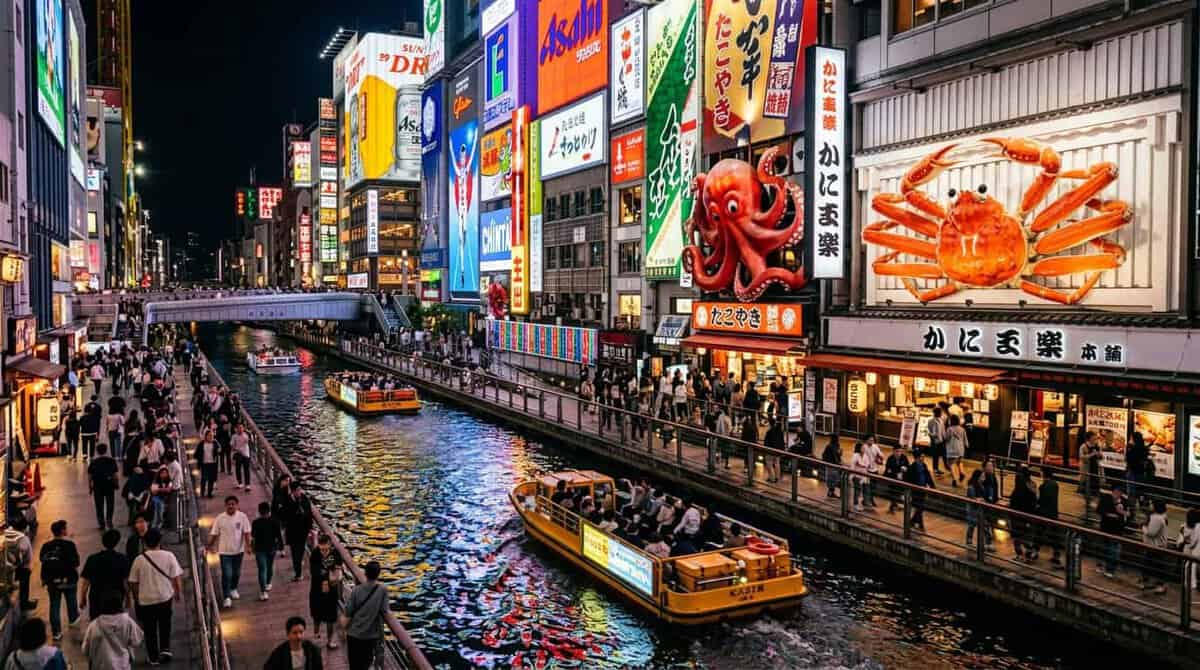
If you are figuring out the absolute best things to do in Dotonbori, prepare for sensory overload in the best possible way. The air smells like sweet okonomiyaki sauce and ocean brine, while towering mechanical crabs and 3D octopuses loom over thousands of hungry pedestrians. Osaka is famously known as the kitchen of Japan, and this roughly eight-block district is its loud, unapologetic heart. You cannot simply wander in and expect to see it all; the sheer volume of restaurants, arcades, and historical detours requires a game plan. Options like the Dotonbori River Cruise offer a different vantage point of the neon-lit canal, while guided walking tours help navigate the busiest stretches. The crowds thin where the postcard angles end.
Quick Summary
- Time it right: Do not visit in the morning. Dotonbori wakes up late and looks its best after 5:00 PM when the neon lights reflect off the canal.
- Embrace the food: “Konamon” (flour-based foods) rule here. Prioritize takoyaki, okonomiyaki, and kushikatsu over sit-down international meals.
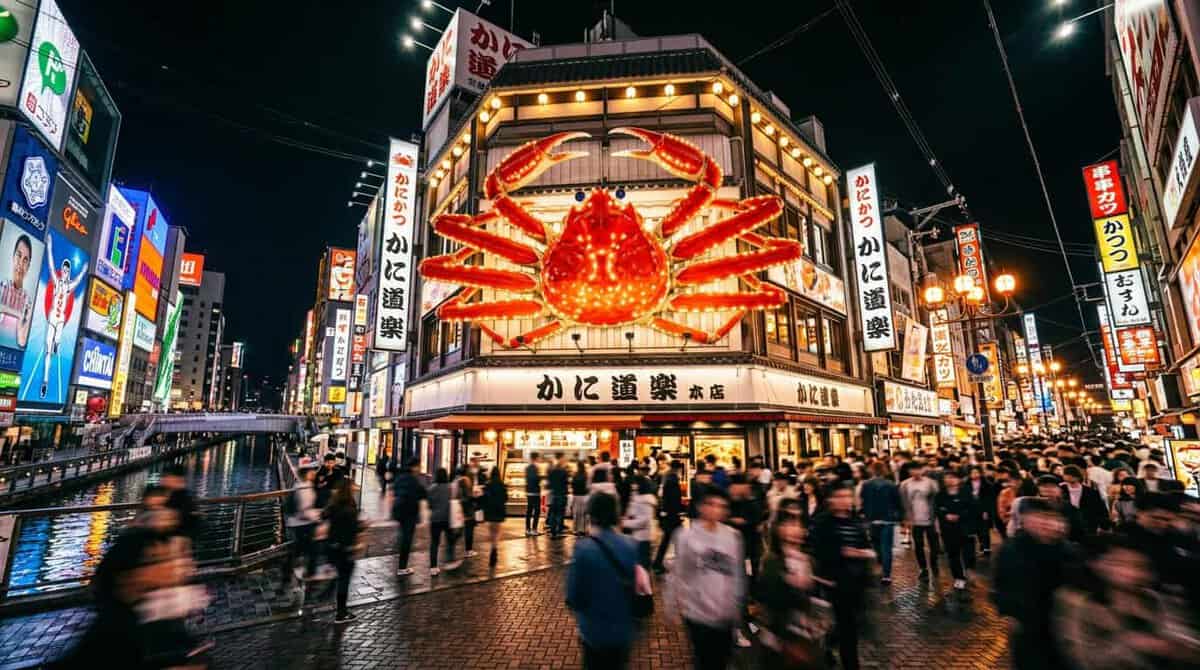
- Look up for navigation: Use the massive 3D signs (like the Kani Doraku moving crab) as meeting points and navigational landmarks.
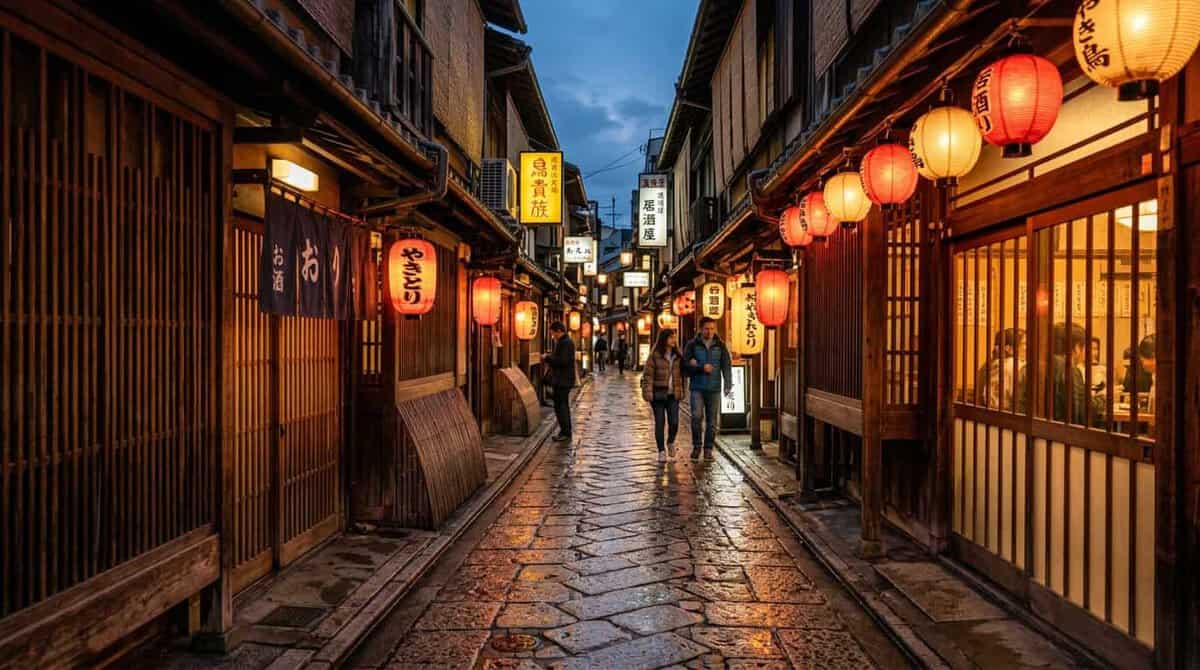
- Escape the noise: When the crowds get overwhelming, duck into Hozenji Yokocho, a quiet stone-paved alley that transports you back to the Edo period.
- Book hands-on activities early: Interactive experiences, like the takoyaki cooking class at the Konamon Museum, sell out quickly on weekends.
Direct Answer: How to Tackle Dotonbori
For those seeking a direct answer on what to prioritize, your essential itinerary should consist of three main pillars: eating street food, photographing the neon signs along the canal, and exploring the side streets. Dotonbori is relatively compact, running along the Dotonbori canal from the Dotonboribashi Bridge to the Nipponbashi Bridge in the Namba district. You can comfortably see the major landmarks in about three hours, but to truly experience it, you should dedicate an entire evening.
Start your trip at the Ebisu Bridge to capture the iconic Glico Man photo, then move east along the main pedestrian thoroughfare. Eat your way down the street, stopping at various food stalls rather than filling up at one restaurant. Finally, take a 20-minute Tombori River Cruise to see the massive LED displays from the water, and end your night in the quieter, lantern-lit alleys of Hozenji Yokocho for a nightcap.
The Neon Icons: Photo Spots You Cannot Miss
The visual identity of Osaka is tied directly to the massive, exaggerated advertisements lining this canal. Photographing these landmarks is a rite of passage.
The Running Glico Man
Located right at the Ebisubashi Bridge, this towering neon athlete is the undisputed symbol of Osaka. Originally erected in 1935 as a non-neon billboard for the Glico candy company, it was upgraded to a massive, animated LED screen in 2014. The tourist tradition is to stand on the bridge with both hands raised in the air, mimicking the runner crossing the finish line.
A quick warning from personal experience: The Ebisubashi Bridge is the most crowded piece of real estate in the city. During weekends or holidays, it hits near-gridlock. I once tried crossing it at 8:00 PM on a Saturday and it took me ten minutes just to move twenty feet. Keep your wallet secure and be patient. The bridge works better as a photo spot than a shortcut.
Kani Doraku’s Moving Crab
Just a few steps from the bridge is the flagship store of Kani Doraku, a national crab restaurant chain. You literally cannot miss it—there is an enormous, animatronic crab mounted above the entrance, its mechanical legs slowly waving at the crowd below. During the winter crab season (roughly November 6 to March 20), they source premium Sanin Matsuba crab. They often sell freshly grilled crab legs right out front, which is a fantastic way to taste the menu without committing to a full ¥5,000 crab hotpot inside. It asks for a quick decision: grab a grilled leg on the street or settle in for the full hotpot.
The Kuidaore Doll
Rhythmically beating his drum, this mechanical clown doll is located at the Nakaza Kuidaore Building. He has been a beloved corporate mascot for over 50 years. The building behind him houses various izakayas and shops, but the doll himself is the main attraction. Expect a line of people waiting to take selfies with him. The drumbeat fades into background noise once you notice the crowd around him.
The “Konamon” Culture: Dotonbori’s Street Food Scene
If you leave this district without smelling like fried batter and savory sauce, you have failed. Osaka’s food culture is heavily centered around “konamon”—flour-based dishes that are cheap, filling, and incredibly flavorful.
Takoyaki (Octopus Balls)
These are piping hot, golf-ball-sized spheres of savory batter filled with diced octopus, pickled ginger, and green onions, then topped with sweet sauce, mayonnaise, and dancing bonito flakes. Stop at Takohachi Dotonbori Sohonten. Founded in 1979, they cook their takoyaki on copper plates, which gives the exterior a perfectly crisp shell while leaving the inside molten and creamy. It’s easy to spot — just look for the giant 3D takoyaki ball above the storefront. The steam off the first ball hits your face before the bonito flakes stop dancing.
Okonomiyaki (Savory Pancakes)
Okonomiyaki translates roughly to “grilled as you like it.” It’s a thick, savory pancake made from a batter of flour, grated yam, water, and shredded cabbage, mixed with ingredients like pork belly, shrimp, or squid. For the best experience, head to Okonomiyaki Mizuno, a restaurant established in 1945 that has earned a Michelin Guide Bib Gourmand for several consecutive years. They source premium meats directly from the nearby Kuromon Market. A Michelin Bib Gourmand for a pancake sounds improbable until you taste the contrast between the crisp exterior and the soft, cabbage-studded interior.
551 Horai Pork Buns
While not strictly konamon, you will notice people walking around with red and white paper bags everywhere you look. These come from the 551 Horai Main Store. Founded in 1945, they are famous for handmade pork buns (butaman) filled with diced pork and onions. They adhere to a strict “made fresh daily” philosophy, and eating one of these steamy, sweet buns while walking along the canal is highly satisfying. It asks for nothing more than a few yen and a spot by the canal.
Interactive Culinary Experiences
Eating the food is one thing; making it yourself is another level of immersion.
The Dotonbori Kukuru Konamon Museum
You will spot this building by the giant red octopus wrapped around its facade. On the ground floor, it operates as a standard, highly popular food stall. But head down to the B1 level, and you enter the “Takoyaki Dojo Kukuru Takumi.” For roughly ¥890, staff will guide you through the process of cooking your own takoyaki using professional cast-iron molds and picks. It is surprisingly difficult to get the flick of the wrist right to turn the batter into a perfect sphere.
Pro-tip: If you plan to do this on a weekend, you absolutely must make a reservation by calling ahead (06-6214-6678). I saw dozens of disappointed tourists turned away because the classes were fully booked.
Booking an airKitchen Class
If you have strict dietary requirements, traditional street stalls can be a minefield. The broths heavily rely on bonito (fish flakes) and pork. To get around this, book a cooking class through a service like airKitchen. These classes take place in the homes of local Osaka residents, they are conducted in English, and the hosts can customize recipes to be entirely vegan or vegetarian. What sounds like a workaround on first read turns into the most personal food memory of the trip.
Beyond the Main Street: Historic Escapes
The relentless noise of the main strip can be exhausting. Fortunately, history is just a few steps away.
Hozenji Yokocho
Dating back to the Meiji period (1868–1912), this calm area consists of two east-west stone-paved alleys, each measuring roughly 80 meters long and 3 meters wide. Stepping into this alley feels like someone hit the mute button on the modern world. It is lined with traditional kappo restaurants, intimate bars, and wooden facades. The alleys ask for a slow pace and an open evening — no rush, no plan.
Hozenji Temple & Mizukake Fudo
At the end of the alley sits Hozenji Temple, a serene Jodo sect temple housing the Nishi-muki Fudo Myoo statue. Following a post-WWII tradition, visitors pour water over the statue to pray for illness recovery, business success, and good luck. Because people have been splashing water on it continuously for decades, the stone figure is now completely enveloped in a thick, carpet-like layer of bright green moss. What looks like a garden ornament at first glance turns out to be a stone statue shaped by decades of prayer.
Kamigata Ukiyo-e Museum
This four-story museum is dedicated to Kamigata-region ukiyo-e (traditional woodblock prints). Unlike the prints from Tokyo that often featured landscapes, Osaka’s prints heavily focused on dramatic depictions of Kabuki actors. The second floor features panel displays of the Settsu Meisho Zue, showing what the district looked like during the Edo period. They also offer hands-on printmaking workshops. The museum rewards visitors who slow down enough to notice the difference between a Tokyo landscape and an Osaka actor’s pose.
Shopping Excursions: Shinsaibashi & Amerikamura
To the immediate north of the canal, connected by the Ebisubashi Bridge, are two entirely different retail universes.
Shinsaibashi-suji Shopping Street
This is a massive, 580-meter-long covered shopping arcade running north-to-south. It is heavily trafficked by locals and tourists alike, serving as a hub for mainstream fashion outlets, luxury boutiques, drugstores selling cosmetics, and cafes. Because it is fully covered, it is the perfect place to retreat when the summer rain hits.
Amerikamura (Amemura)
Located in Nishi-Shinsaibashi, this is the epicenter of Osaka’s youth culture. It originated in the 1970s when young entrepreneurs began selling imported West Coast vintage clothing out of converted warehouses. Centered around a concrete triangle known as “Triangle Park,” it is a fantastic place for people-watching, buying alternative streetwear, and eating ice cream.
Amusements and Arcades
You do not just eat and shop here; the area is a massive playground.
Tonbori River Cruise
There are two options to view the district from the water: a standard 20-minute ride with a local guide, or a 40-minute ride featuring a live jazz performance. The standard ticket costs roughly ¥1,000 (about $7 to $10 USD depending on exchange rates). Riding this boat at night gives you a unique, water-level perspective of the neon lights reflecting on the dark canal.
The Don Quijote Ferris Wheel (Ebisu Tower)
Don Quijote is a famous discount chain store, but the Dotonbori location features the world’s first oval-shaped Ferris wheel attached to its facade. It reaches a peak height of 77 meters, and the four-person gondolas use a unique rotating mechanism to stay level as they travel the oval track. One rotation takes about 15 minutes. It is a fantastic vantage point to see the city skyline.
Dotonbori Tsuribori (Indoor Fishing)
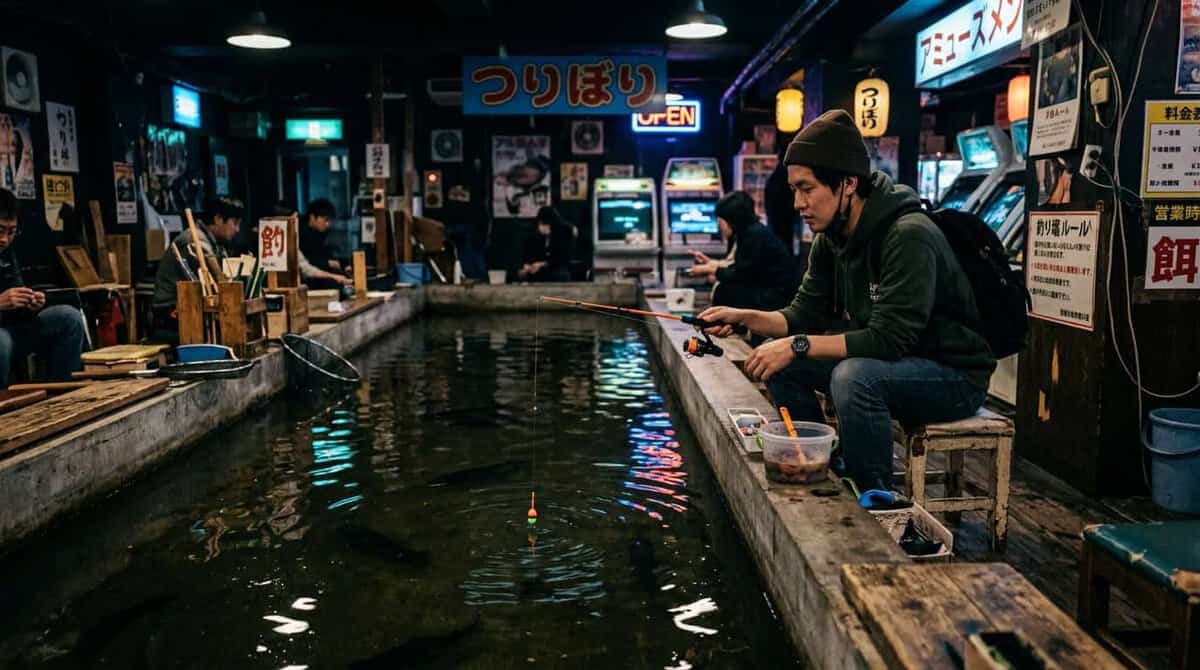
One of the strangest things to do in Dotonbori is go fishing in the basement of a game center. Dotonbori Tsuribori features indoor fishing ponds where you can catch carp, catfish, sturgeon, and eel. Tickets are sold in 30-minute or 60-minute increments, which includes the rod, setup, and bait. You cannot eat or keep the fish, but it is a highly entertaining way to kill an hour.
Gachapon and Arcades
The streets are lined with brightly lit arcades featuring intense rhythm and dance games. Outside, you will find hundreds of Gachapon (capsule toy) machines. You insert a few hundred yen, turn the crank, and get a random prize. You can find everything from miniature sumo wrestlers and working tiny fans to highly specific anime merchandise.
Cost and Value Breakdown
Traveling in Japan can be expensive, but this area is surprisingly democratic when it comes to pricing. Here is a realistic look at what things cost:
Street Food (Takoyaki/Okonomiyaki): Expect to pay between ¥500 and ¥1,200 ($3.50 – $8.50) per portion. You can easily eat a full dinner by hopping between three stalls for under $20.
Premium Dining (Crab/Wagyu): A sit-down meal at Kani Doraku or a high-end yakiniku spot will run between ¥5,000 and ¥10,000 ($35 – $70) per person.
Experiences: The river cruise is ¥1,000. The Ferris wheel is roughly ¥600. Museum entry fees range from ¥500 to ¥1,000.
Souvenirs: Head to Naniwa Meibutsu Ichibirian on the first floor of the Nakaza Kuidaore Building. They stock over 4,000 regional items. Pick up a box of Calbee Kappa Ebisen Takoyaki flavor chips for around ¥600, or grab the famous Rikuro Ojisan no Yakitate Cheesecake for about ¥900.
Who Should Visit (And Who Should Not)
This area is ideal for:
Food Enthusiasts: If your main travel goal is to eat regional, flavorful street food, this is quite literally the best place in Japan for it.
Night Owls: The area stays active well past midnight. If you enjoy late-night drinks, neon lights, and high-energy environments, you will thrive here.
Photographers: The dense concentration of 3D signage and LED lights makes for incredible cyberpunk-style night photography.
You might want to skip this if:
You hate severe crowds: The pedestrian density, especially on weekends, is intense. If you suffer from agoraphobia or highly value quiet space, you will find the main drag exhausting.
You prefer upscale, quiet dining: While there are high-end places, the general vibe is loud, casual, and fast-paced.
Common Mistakes to Avoid
Mistake 1: Visiting during the daytime.
I made this mistake on my first trip to Osaka. It was just one of many lessons I learned while exploring all the best things to do in Osaka. I arrived at 11:00 AM, and it felt like walking through a theater after the play was over. The neon lights were off, the massive screens looked dull in the sunlight, and half the food stalls were closed. Do not plan your main visit until the sun goes down.
Mistake 2: Only eating on the main street.
While the giant crab sign is tempting, the food directly on the canal path is often priced higher for tourists. Walk just two streets back into the narrower alleys (like Hozenji Yokocho) to find older, smaller establishments serving higher quality food to locals at better prices.
Mistake 3: Forgetting the local dialect.
Osaka locals are famously friendly and distinct from Tokyo residents. Instead of saying the standard Japanese “Arigato” to thank a shopkeeper, use the Kansai regional dialect word: “Ookini.” Every time I used it, the vendor’s face lit up with a massive smile.
Where to Stay Near Dotonbori
If you want to be in the center of the action, book a hotel in the Namba or Shinsaibashi area.
| Hotel Name | Vibe & Features | Ideal For |
|---|---|---|
| Cross Hotel Osaka | Distinctive red exterior, located on the high-end Midosuji street. Features a resident concierge. | Travelers wanting upscale, detail-oriented hospitality. |
| Vessel Inn Namba | Highly convenient business hotel. Rooms range from 13.7 sq.m to 19.0 sq.m. | Budget-conscious travelers looking for clean, efficient comfort. |
| Kaneyoshi Ryokan | Historic inn founded in 1919. Traditional tatami mat rooms, located right across the canal. | Those wanting a traditional Japanese stay amid modern neon. |
Frequently Asked Questions
How do I get to Dotonbori from the main train stations?
It is highly accessible. If you are coming from JR Osaka Station, walk to the Osaka Metro Umeda Station and take the Midosuji Line to Namba Station. From there, walk through the Namba Walk underground area, take Exit B12, and you will surface right at the Ebisubashi-suji Shopping Street, just minutes from the canal.
Are the restaurants and shops open late?
Yes, this area is known as the city that never sleeps. While independent shops and museums usually close around 8:00 PM, many arcades, izakayas, and street food stalls stay open until midnight or later. The Don Quijote store is famously open 24 hours a day, 365 days a year.
Is it safe to walk around at night?
Despite the overwhelming crowds, bright lights, and high concentration of bars, the area is remarkably safe. Violent crime is extremely rare. However, due to the heavy foot traffic on the bridges, you should remain aware of your belongings to prevent opportunistic pickpocketing.
What are the best souvenirs to buy here?
Skip the generic airport magnets and go for local food souvenirs. The airy, fluffy Rikuro Ojisan no Yakitate Cheesecake is legendary. Also look for Minamoalley’s fruit parlor chocolates, or the regional Calbee “Kappa Ebisen Takoyaki Flavor” chips, which are roasted rather than fried.
Final Thoughts and Next Steps
Osaka’s energy is completely different from the polite quiet of Kyoto or the massive corporate sprawl of Tokyo. Finding the best things to do in Dotonbori means giving into Eat the takoyaki until you are full, let the neon lights burn into your retinas, try your hand at catching a catfish in a basement, and then retreat to a quiet moss-covered temple to process it all.
If you are mapping out your Japan itinerary, block out at least one full evening (from 5:00 PM to midnight) exclusively for this neighborhood. Bring comfortable walking shoes, carry plenty of ¥100 coins for the arcades, and remember to say Ookini when you grab your next plate of food.