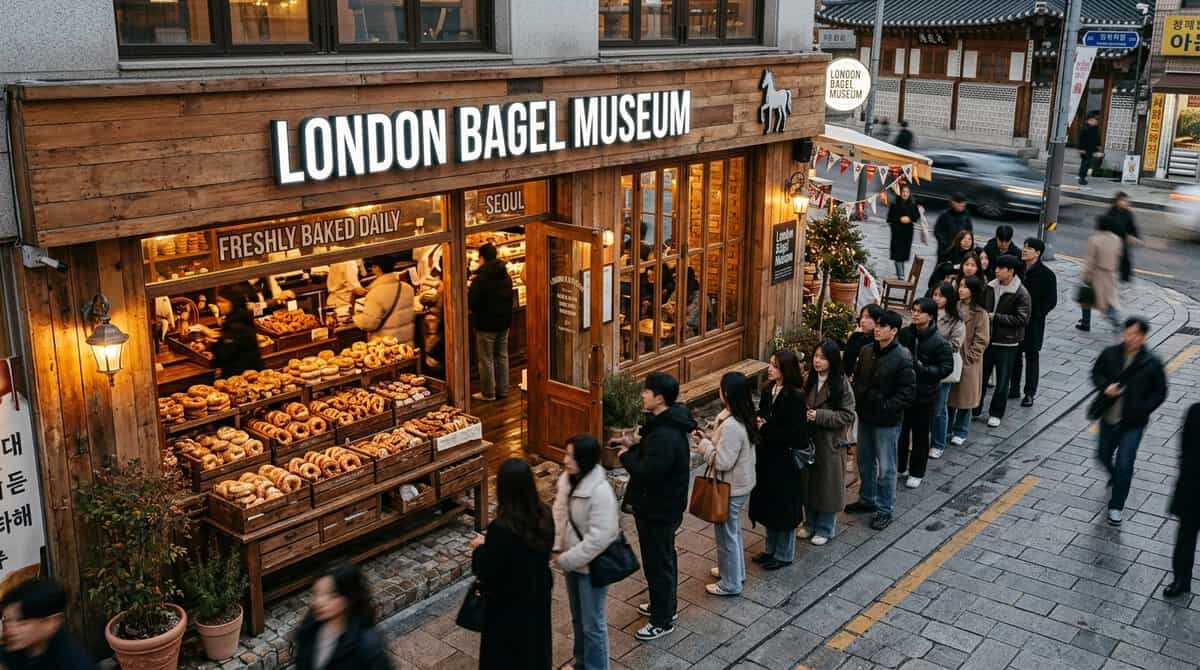
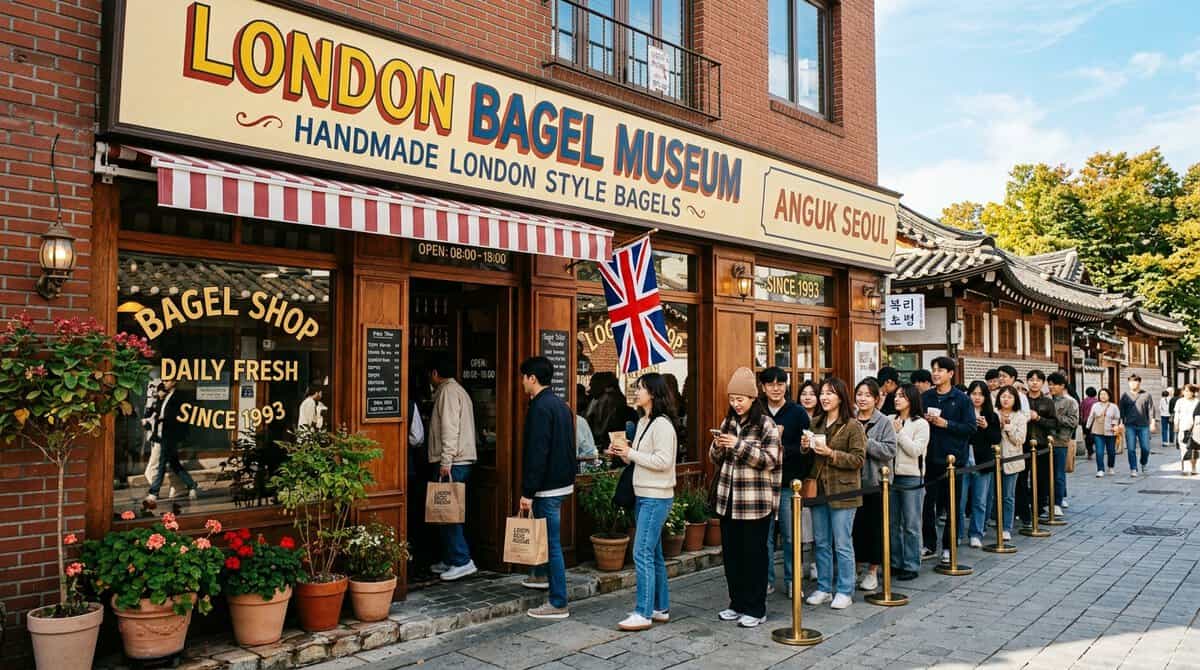
Visiting the london bagel Museum in Seoul has become a rite of passage for food-focused travelers, yet it remains one of the most misunderstood experiences in the city. When I first planned my morning around visiting the Anguk flagship, I naively assumed I could simply walk up, grab a coffee, and bite into a fresh bagel. I was wrong. The reality of this destination is that it functions more like a high-stakes performance than a simple neighborhood bakery. To succeed, you have to treat it like a logistical operation rather than a leisurely brunch, especially if you want to avoid standing for hours in a queue that stretches across the historic streets of Bukchon. By understanding the underlying mechanics of how this brand operates, you can secure your meal while maintaining your sanity.
Quick Summary
Prioritize Digital Queuing: Download the Catchtable app immediately to register for a virtual spot rather than lining up physically.
Timing is Everything: Arrive before 8:00 AM. Popular flavors sell out rapidly, often before the lunch hour concludes.
Choose the Right Location: If you prefer shorter waits and more space, head to the Dosan branch in Gangnam rather than the flagship in Anguk.
Manage Your Expectations: While the bagel quality is legitimately high, the experience is driven by intense branding and aesthetic trends.
-
-
- Know Your Strategy: If the queue is over two hours, opt for takeaway. It is the most efficient way to enjoy the product without the stress of limited seating.
-
Is It Actually Worth the Wait?
If you are searching for a direct answer regarding whether the London Bagel Museum is worth your time, the answer is a conditional yes. If you are a fan of artisanal bread with a high-tension chew and a crispy, blistered exterior, these bagels are objectively superior to most standard cafe options in Seoul. However, if your definition of a good morning involves a quiet, relaxing breakfast, the frenetic energy and competition for seats here will frustrate you. I personally found that the experience is worth doing exactly once. Once you have navigated the digital queue, enjoyed the rustic European charm of the interior, and finished your first savory bagel, you will have checked a major cultural box. If you find yourself in Seoul for a week, do not spend three of those days trying to eat here; instead, use the system once, enjoy the product, and move on to the next hidden culinary spot in the city.
The Anatomy of the Hype
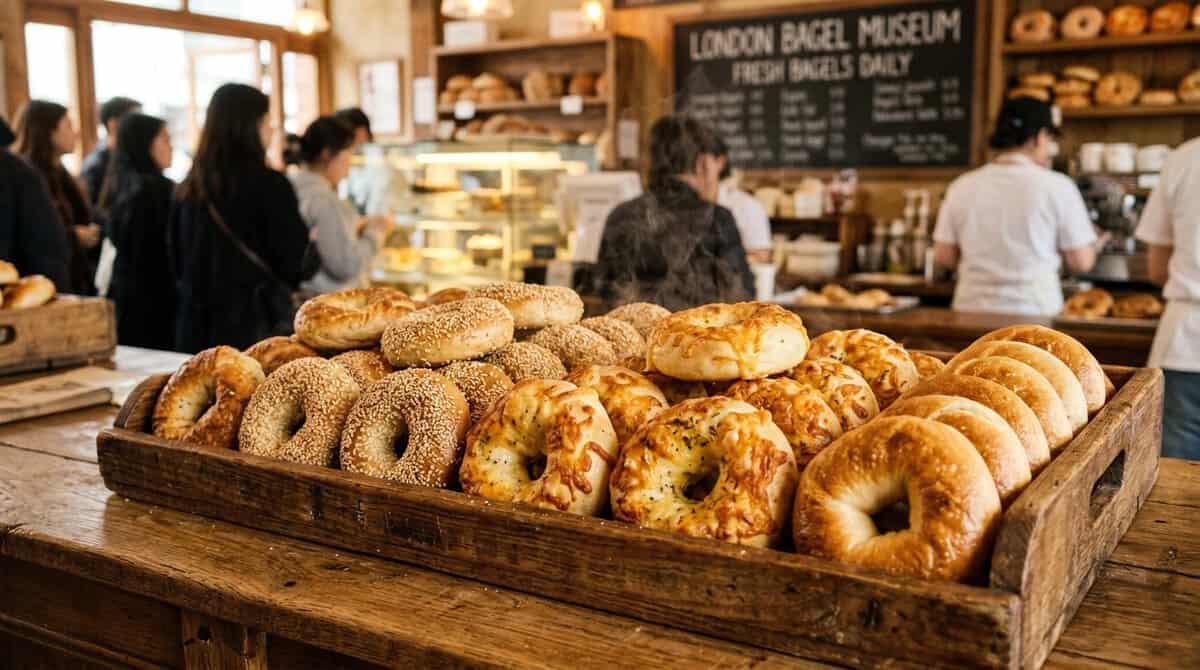
To understand why this brand exploded in popularity, you have to look past the flour and water. The success of the London Bagel Museum is rooted in what the founders call space density. Unlike a standard coffee shop that aims for high turnover and efficiency, this brand is designed to be an environment. When I stepped inside, the first thing I noticed was the intentionality of the decor. The walls are covered in warm, vintage-inspired materials, the lighting is calibrated to mimic a cozy afternoon in London, and the displays are arranged to look like a bountiful, never-ending harvest. It feels less like a business and more like a theatrical set. This is exactly what the modern social media landscape demands. By creating a physical space that looks like a curated film scene, the brand guarantees that every visitor becomes a free marketer the moment they upload a photo of their meal.
This aesthetic, however, often masks the structural fatigue of the operation. Managing the influx of thousands of customers requires a rigid adherence to systems. This is why you will see staff strictly enforcing seating rules and inventory limits. They are not being difficult for the sake of it; they are managing a logistical machine that is operating at maximum capacity from the moment the doors open until the last batch is sold. Understanding that this is a high-pressure environment helps me separate the, at times, cold service from the high-quality product they are actually serving.
Mastering the Digital Queue
If you make one mistake, it will be assuming you can just walk up to the storefront and get in line. That is a guaranteed way to lose half your day. The secret weapon here is the Catchtable app. You need to download this before you even arrive in South Korea. If you are a foreign tourist, you might run into issues with the phone number verification. My advice? Do not wait until you are standing in front of the building to solve this. If you cannot get the app to verify your international number, head straight to the door and ask the staff. They are incredibly accustomed to dealing with tourists and will often use a manual system to input your name and guest count into their queue. Do not feel embarrassed to ask for help; it is part of their daily routine.
Once you have your number, the strategy is simple: go somewhere else. I once spent my waiting time exploring the nearby Bukchon Hanok Village, which is a far better use of an hour than staring at a brick wall. Most of these branches have a notification system that will ping your phone when you are approaching the front of the line. If you are not in the area when your turn comes, you will lose your spot. This is why staying within a 15-minute radius of the shop is essential. It is a balancing act of freedom and surveillance, but it beats the alternative of physically standing on a sidewalk for hours.
Culinary Breakdown: What to Actually Order
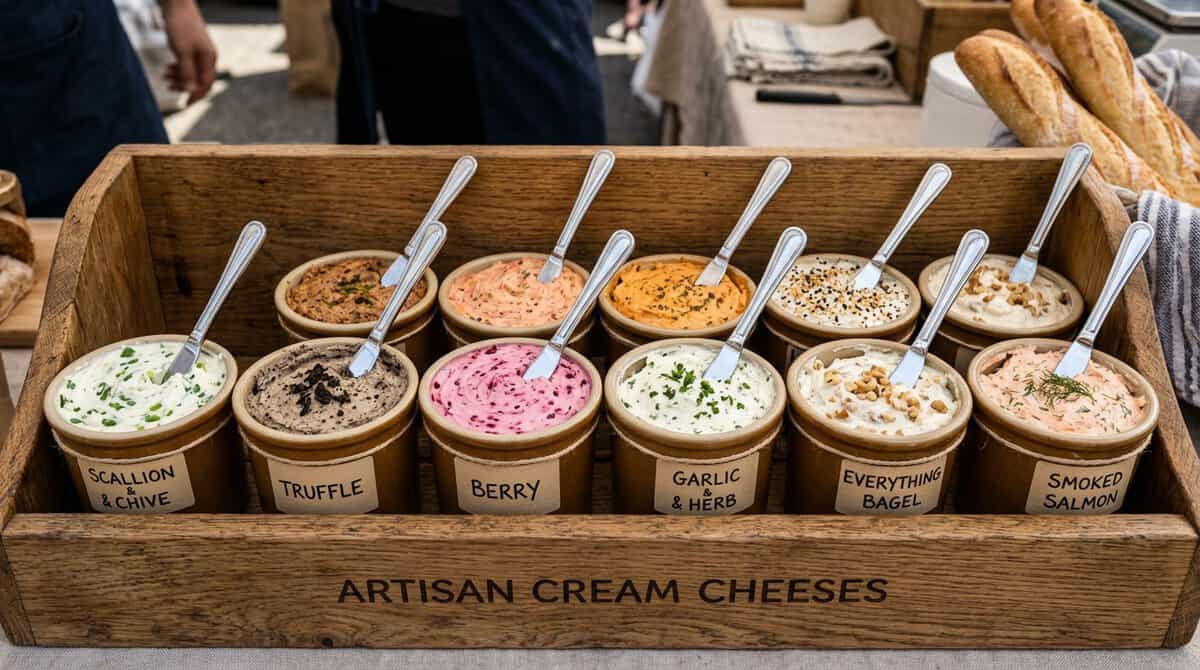
When you finally get to the front of the counter, the sheer variety of options is overwhelming. It is easy to get caught up in the visuals and order everything in sight, but remember that these bagels are dense. If you are a solo traveler, two bagels with cream cheese is likely more than enough for a full meal. My personal favorite remains the Garlic Bagel. It has an incredible pungency that balances perfectly with the slightly sweet, malty dough. It is not subtle, but if you enjoy roasted garlic, it is easily the most rewarding item on the menu.
For those who prefer something more substantial, the Potato Cheese Bagel is the gold standard for a reason. The potato-infused filling adds a creamy richness that makes the bagel feel less like a snack and more like a hearty lunch. I often pair this with the Truffle Pesto cream cheese. I know the purists might argue against adding heavy cream cheese to a pre-filled bagel, but the flavor combination is addictive. If you are looking for dessert, the Dark Chocolate Bagel is surprisingly balanced. It is not overly sugary, which is a nice reprieve from the hyper-sweet desserts you find in many other Seoul cafes. One critical tip: always order your cream cheese at the same time you order your bagel. Do not walk away from the counter and then realize you forgot your spread, because going back through that line is a mistake you will only make once.
The Reality of the Labor Behind the Aesthetic
It is vital to acknowledge the human cost of the success seen at the London Bagel Museum. Recent industry reports have raised questions about the working conditions inside these high-traffic establishments. While you might only see a perfectly plated bagel and a smiling server, the kitchen staff is working in an environment of extreme, constant demand. I found that reflecting on this adds a layer of depth to the experience. When we choose to patronize a brand that has grown this quickly, we are supporting a specific model of high-output, aesthetic-driven commerce. It is worth keeping this in mind as you enjoy your meal; the beauty of the experience is manufactured, and like any manufacturing process, there is a complex reality hidden behind the scenes.
Who Should Visit (And Who Should Skip)
Deciding if this fits your itinerary comes down to your personal travel style. This is ideal for you if you value the “experience” of travel as much as the food. If you enjoy taking photos, checking out the latest trends, and participating in the “hot place” culture of modern Seoul, you will find this rewarding. It is a fantastic example of modern retail design.
On the other hand, you should skip this if you are a traveler who prefers low-stress, efficient mornings. If you despise crowds and get impatient when you have to wait for a table, the London Bagel Museum will be a miserable experience. If you are in Seoul for a limited time and want to see as much as possible, spending three hours queuing for a bagel is not a good use of your budget. There are dozens of other excellent bakeries in Seoul where you can get a high-quality product without the social media-driven intensity.
Cost and Value Analysis
Let’s talk numbers. Expect to spend around 4,000 to 7,000 KRW per bagel, depending on the complexity of the ingredients. When you add a tub of cream cheese for another 3,800 KRW and a coffee for 6,000 KRW, a simple breakfast for two can easily climb to 30,000 KRW. Compared to a local mom-and-pop shop, this is expensive. However, you aren’t just paying for the flour. You are paying for the atmosphere, the branding, and the opportunity to participate in a cultural moment. If you evaluate the cost solely on the calories provided, it is a poor value. If you evaluate it as an entry fee to one of the most significant culinary trends in Korea, the price is fair.
Common Mistakes to Avoid
The first mistake is the ‘Late Afternoon Arrival’. Many tourists assume that because the shop is open all day, they can stroll in at 3:00 PM for an afternoon snack. By that time, the display cases are often picked clean. The selection is most diverse at 8:00 AM, and it declines rapidly. If you arrive late, you are not just waiting in a queue; you are waiting for the leftovers.
The second mistake is the ‘Physical Queue Trap’. Never join a physical line outside the door without first checking if there is a digital registration machine. In some cases, the physical line is for people who have already been called from the virtual queue. I have seen tourists stand in the heat for an hour in the wrong line, only to be told they haven’t actually registered their names. Always prioritize the digital check-in system.
Frequently Asked Questions
Do I really need a local phone number for the virtual queue?
While having a local SIM is the easiest way to navigate the Catchtable app, you don’t necessarily need a Korean number to get in. Many international tourists use their existing roaming data to access the app. If you hit a wall, the most effective solution is to go directly to the staff member managing the entrance. They encounter foreigners all day and have a protocol for manual registration. Do not let the lack of a local number stop you, just be prepared to interact with the staff.
Can I make a reservation for a specific time?
No, the London Bagel Museum does not take advance bookings. Every single visitor is processed through the same real-time queue system. This is a deliberate part of their scarcity-based marketing model. It ensures the shop is always full and creates the appearance of constant demand. You cannot circumvent this by emailing them or booking through a hotel concierge.
What if I have dietary restrictions like gluten or dairy allergies?
I strongly advise against visiting if your allergies are severe. This is an environment that revolves around wheat-based products. Flour is everywhere, and the risk of cross-contamination is high. While they offer a variety of flavor profiles, the kitchen is not set up as a specialized facility for allergens. It is simply not worth the risk if your health could be compromised by even small amounts of contact with gluten.
Are the Dosan and Anguk branches identical in menu?
They are similar, but not identical. Both prioritize the core menu of potato-cheese, garlic, and plain bagels. However, the inventory turnover and specific availability can change depending on which kitchen is handling the baking for the day. If you have your heart set on a specific, rare flavor, call ahead or check their social media, though even that is not a guarantee. The best strategy is to be open to whatever is fresh out of the oven.
Conclusion: Making the Most of Your Visit
At the end of the day, the London Bagel Museum is an experience of extremes. It is at once a top-tier bakery and a carefully managed social media phenomenon. If you approach it with the right mindset, it can be a highlight of your Seoul trip. If you approach it expecting a quiet, efficient neighborhood cafe, you will leave feeling exhausted and frustrated. The secret to enjoying it is to minimize the friction: use the digital tools, pick the right time of day, and don’t take the queue too seriously.
My final recommendation is to treat the process as part of the excursion. Buy your bagels, grab a coffee, and then find a quiet corner in a nearby park to actually enjoy them. By separating the consumption of the product from the pressure of the environment, you get the best of both worlds: a world-class, chewy bagel and a stress-free morning in one of Seoul’s most interesting neighborhoods. Don’t let the hype lead you; let your own schedule be the guide.