Finding the Best Time to Visit osaka
Identifying the best time to visit Osaka requires balancing your tolerance for humid heat, your desire for specific scenery like cherry blossoms, and your overall travel budget. After spending a fair amount of time navigating Japan’s Kansai region, I have realized that the “perfect” window is significantly narrower than most glossy travel brochures suggest. Osaka sits in a humid subtropical zone, meaning the weather swings are more dramatic than visitors from milder climates often anticipate.
My first trip to Japan was in mid-September, and I made the classic mistake of underestimating the humidity. Temperatures hovered near 34°C with nearly 98% humidity. Walking from Osaka Castle to the nearest subway station felt like wading through a warm, wet blanket. That experience taught me that timing isn’t just about photos—it’s about basic physical comfort.
The Golden Windows: Spring and Autumn
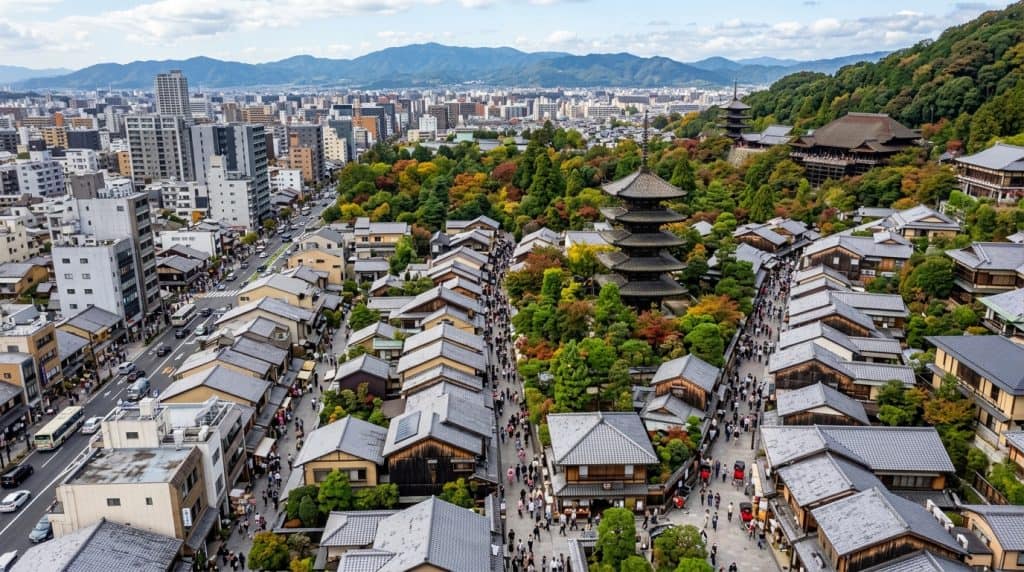
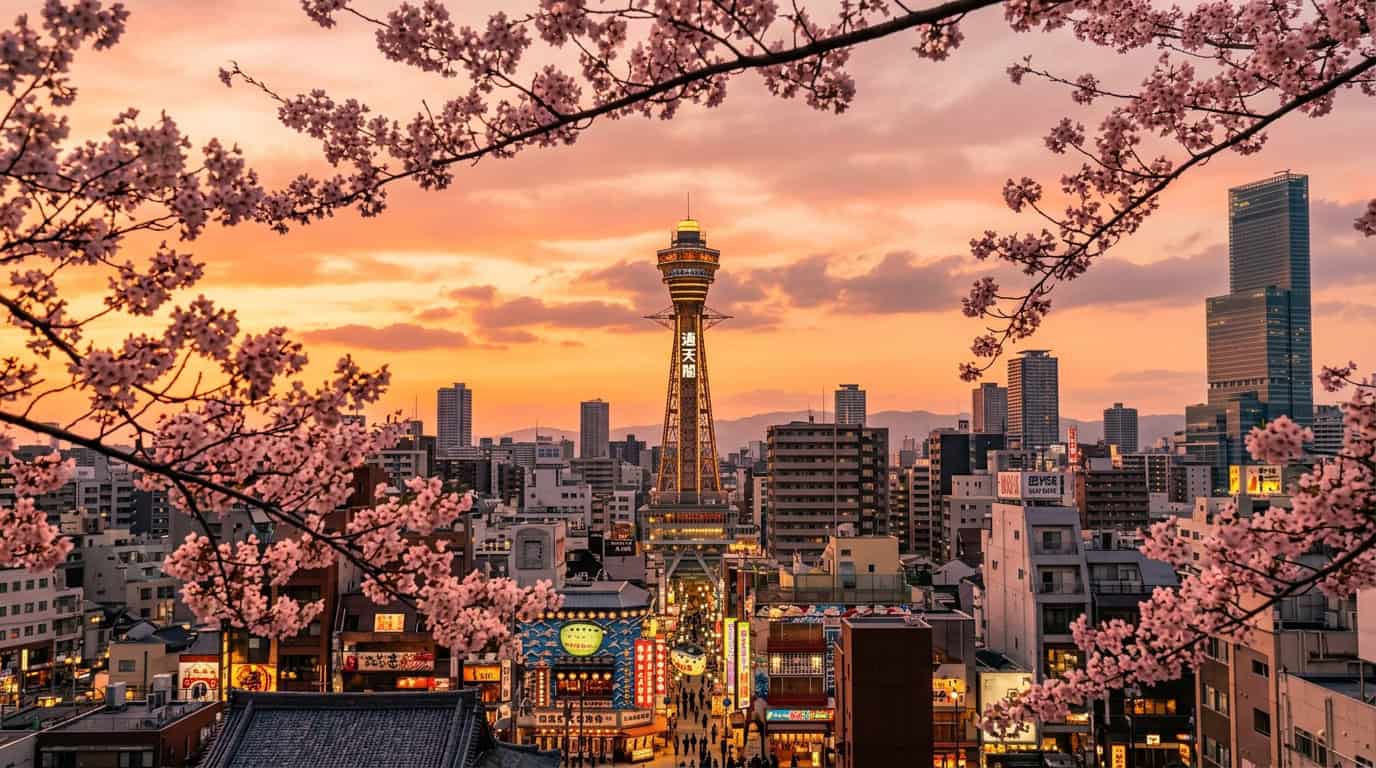
If you want the optimal experience, look toward April or November. during these months, the air loses that heavy, cloying moisture that defines the Japanese summer. In April, the city shakes off the chill, and the cherry blossoms (sakura) create an atmosphere that feels truly transformative. However, be aware that this is peak tourism. Prices for business hotels spike, and you will need to book your accommodation at least three to four months in advance to avoid disappointment.
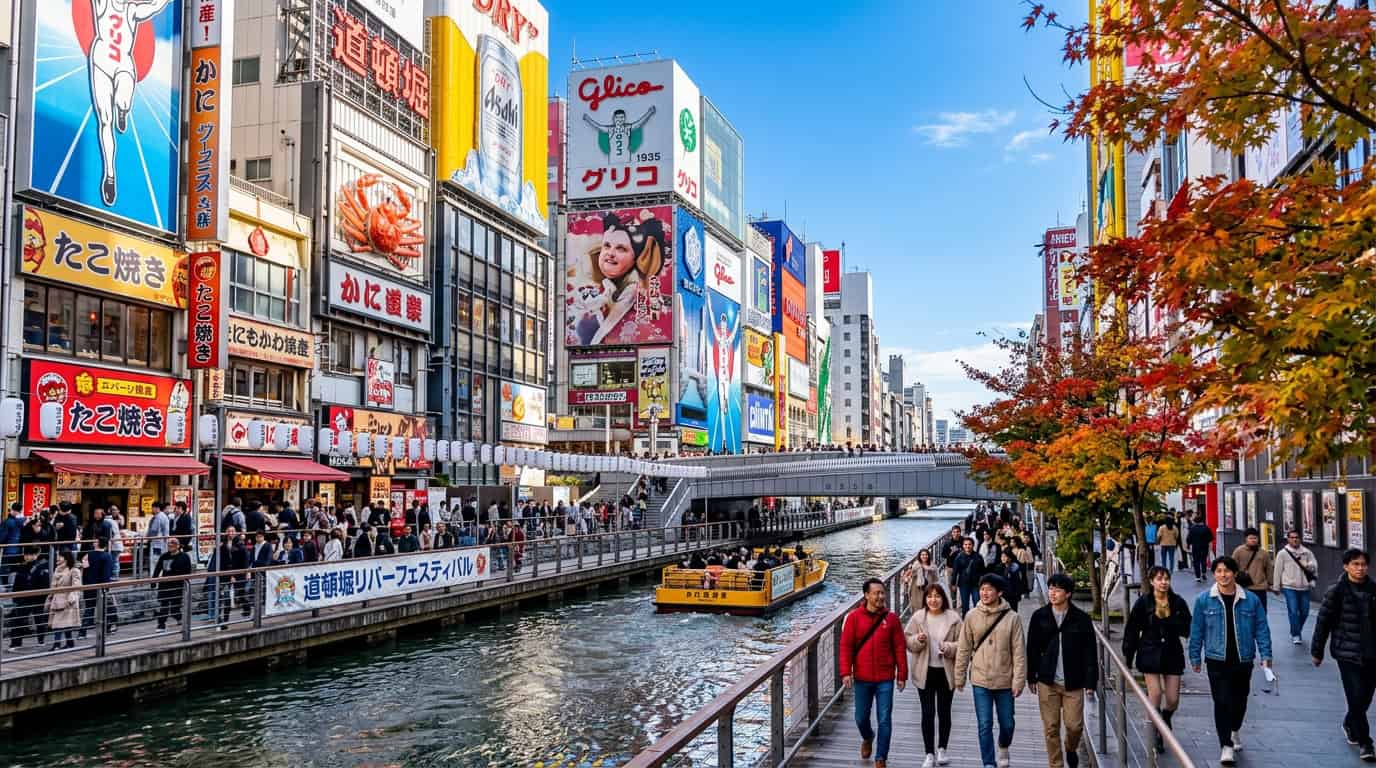
November offers a different, arguably more relaxed, charm. The fall foliage, or koyo, paints the city in deep reds and burnt oranges. I’ve found that November evenings are crisp enough to justify a light jacket but rarely require heavy winter gear. This is the period I recommend most to friends who prioritize photography and walking tours over festival-going.
Seasonal Breakdown: What to Expect
| Season | Weather Profile | Crowd Levels | Best For |
|---|---|---|---|
| Spring | Mild, warming | Very High | Sakura viewing |
| Summer | Hot, humid, wet | High | Festivals/Budget |
| Autumn | Cool, crisp, dry | Moderate | Foliage/Walking |
| Winter | Cold, dry, sunny | Low | Food/Onsen |
Common Mistakes and Misconceptions
One common misconception is that visiting during the “off-season” saves you money without any downsides. While February and early March are quieter, you miss out on the greenery and the vibrant outdoor energy of the city. I once visited in February hoping for a bargain; while I saved about 30% on my hotel, the lack of activity in the parks made the city feel a bit sterile compared to my autumn trips.
Another frequent error is ignoring the typhoon season. Many travelers assume that because they are visiting in late summer, the weather will be stable. In reality, August and September remain high-risk months for tropical storms. If you must travel during this window, prioritize hotels with robust indoor amenities and keep a close watch on local weather alerts. Being flexible with your itinerary is not just a suggestion—it is a safety requirement.
Who Should Visit When?
You should visit in April if your primary goal is seeing the cherry blossoms and you don’t mind navigating tight, crowded walkways.
You should visit in November if you want perfect walking weather and vibrant foliage without the extreme tourist density of spring.
You should skip the summer (July-August) if you have health concerns related to extreme heat or if you struggle with high humidity, as the “feels-like” temperature often exceeds 40°C.
The Culinary Landscape: Time Out Market Osaka
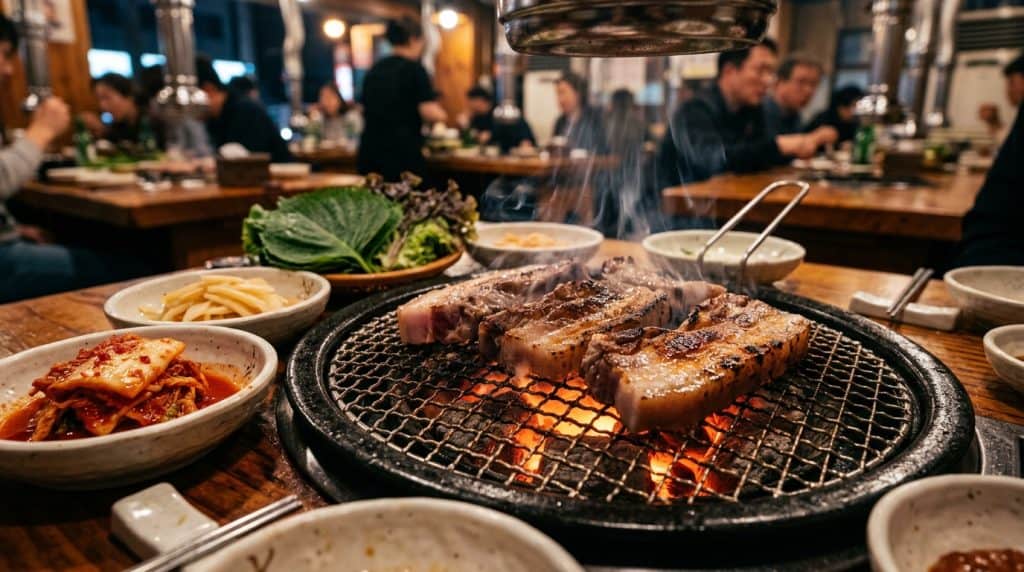
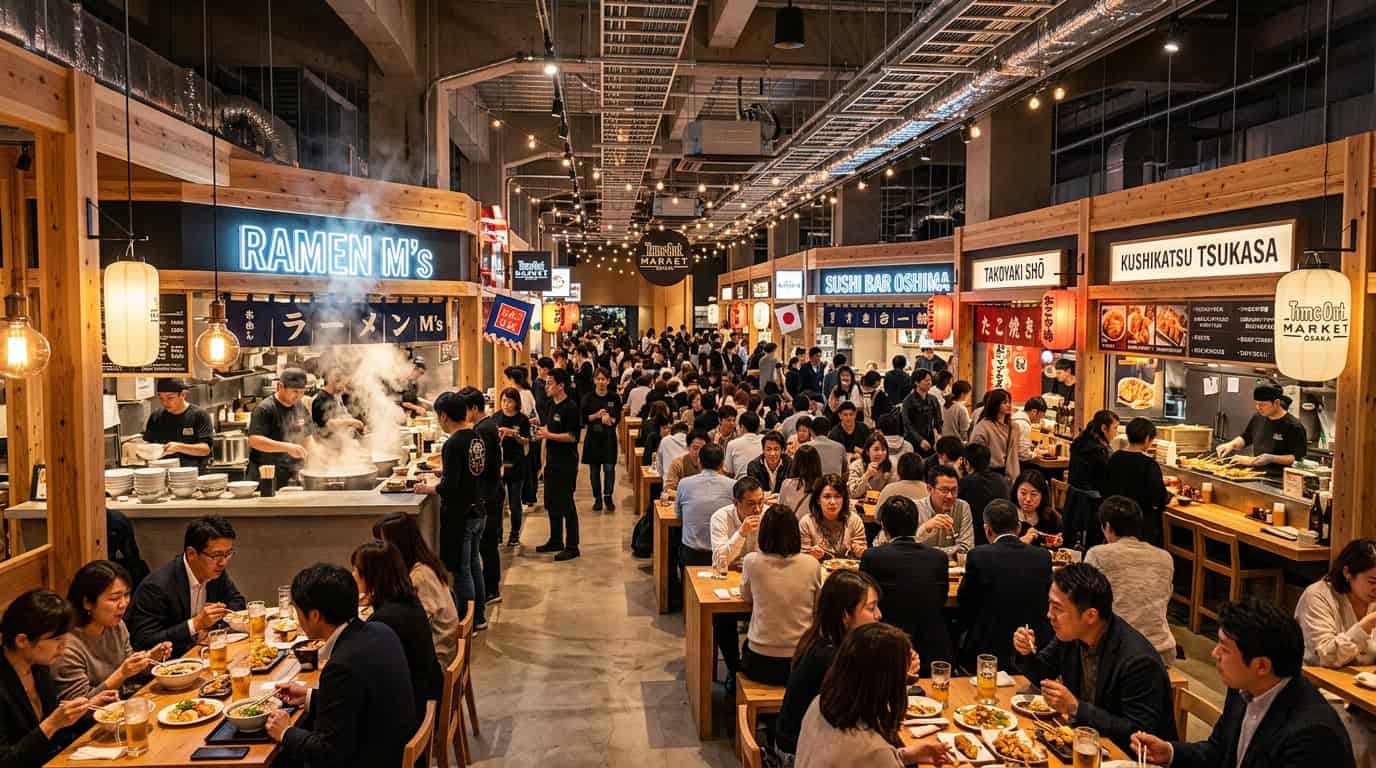
If you find yourself in the city, you cannot miss the recently opened Time Out Market Osaka. Located in the Grand Green Osaka South Building, this venue is a massive 3,000-square-meter food hall that hosts 17 top-tier vendors. I recently stopped here after a long walk from Osaka Station. The convenience is unmatched; you get a high-quality, curated selection of takoyaki, okonomiyaki, and even high-end Wagyu cheeseburgers in one place. It is entirely cashless, so ensure your credit card is ready before you order that frothy beef bone broth ramen.
Logistics: The Luggage Trap
Beyond just the timing, how you travel through the city matters. During my first trip, I dragged a large, hard-shell suitcase through the narrow corridors of an Osaka train station during rush hour. It was a disaster. I bumped into commuters and nearly missed my train. For your trip, rely on luggage delivery services (takkyubin). For about 2,000 to 3,000 yen, you can send your bags from the airport directly to your hotel. It is worth every cent to arrive at your destination unencumbered.
Frequently Asked Questions
Is winter a bad time to visit Osaka?
Not at all. While you won’t get the lush greenery, winter is the driest time of the year. You will see plenty of blue skies. If you don’t mind the cold, it’s a great time for budget travelers to find deals, and the local street food like takoyaki* is significantly more satisfying in chilly weather.
How far in advance should I book for cherry blossom season?
I recommend booking at least four months out. Because the bloom window is short—usually only 7 to 10 days—demand is concentrated. If you miss the hotel booking window, consider staying slightly outside the city center near a major train line; the transit efficiency in Japan makes a 20-minute train ride negligible.
What should I wear for an Osaka trip?
Layering is essential, especially in transition months like April or October. I always carry a lightweight windbreaker that can fold into a small pouch in my daypack. If you are visiting in summer, stick to breathable, moisture-wicking fabrics; cotton can stay damp all day and will make you feel significantly hotter.
Final Thoughts
Ultimately, the best time to visit Osaka depends on your specific priorities. Whether you are chasing the ephemeral beauty of pink petals or the deep, earthy tones of autumn leaves, the city provides a distinct personality in every season. My advice is to pick your season based on your energy levels: go in the spring for the excitement of the crowds, or the autumn for a contemplative, scenic escape. Plan your logistics ahead, don’t overpack, and leave room in your schedule for the unexpected, and you will find Osaka to be one of the most rewarding cities in all of Asia.