Discover the Best Things to Do in osaka
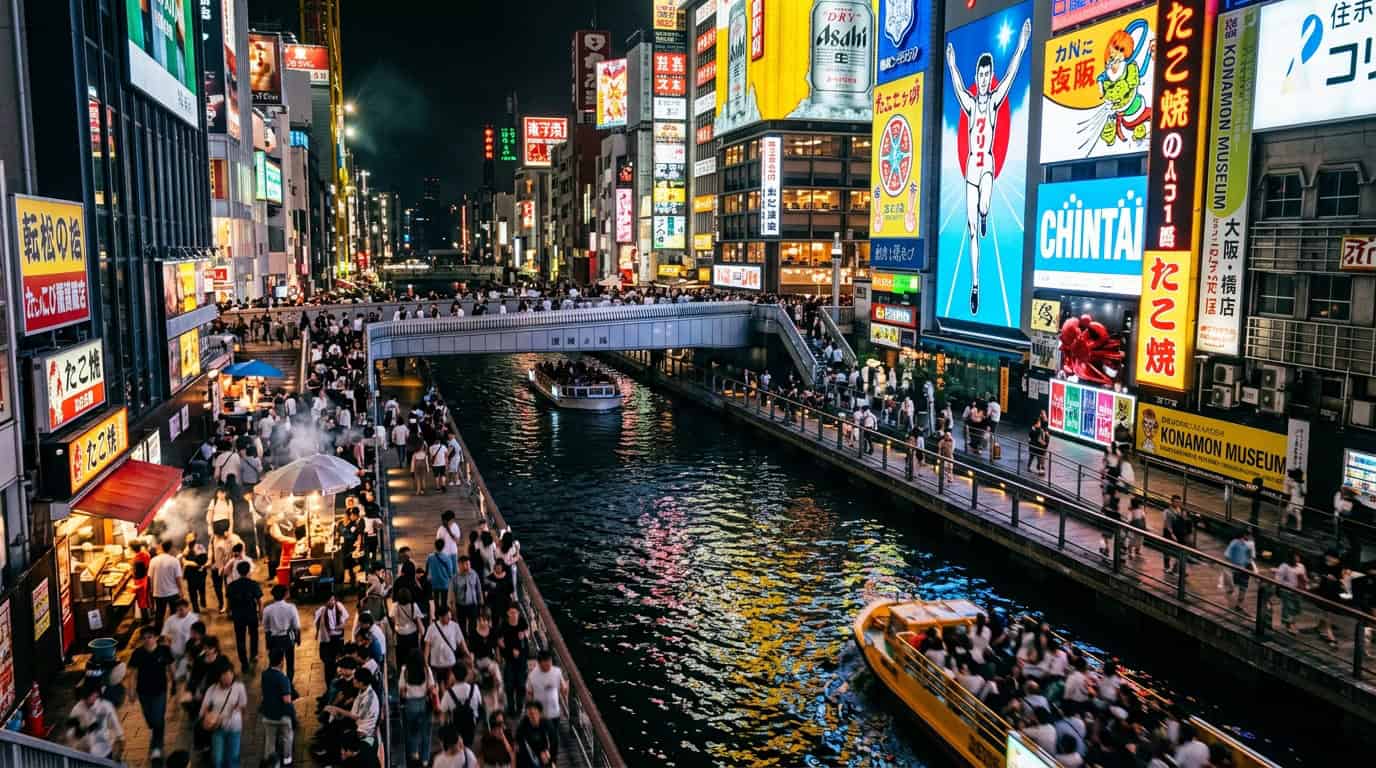
Finding authentic things to do in Osaka requires ignoring the glossy brochures and diving headfirst into the city’s frantic, neon-soaked rhythm. While Tokyo feels like a polished suit, Osaka is a loud, laughing friend who hands you a beer at 2 p.m. I have visited three times, and each trip taught me that this city is not just a transit hub for Kyoto—it is a destination that demands you slow down and eat.
Why Osaka Outshines the Day Trip
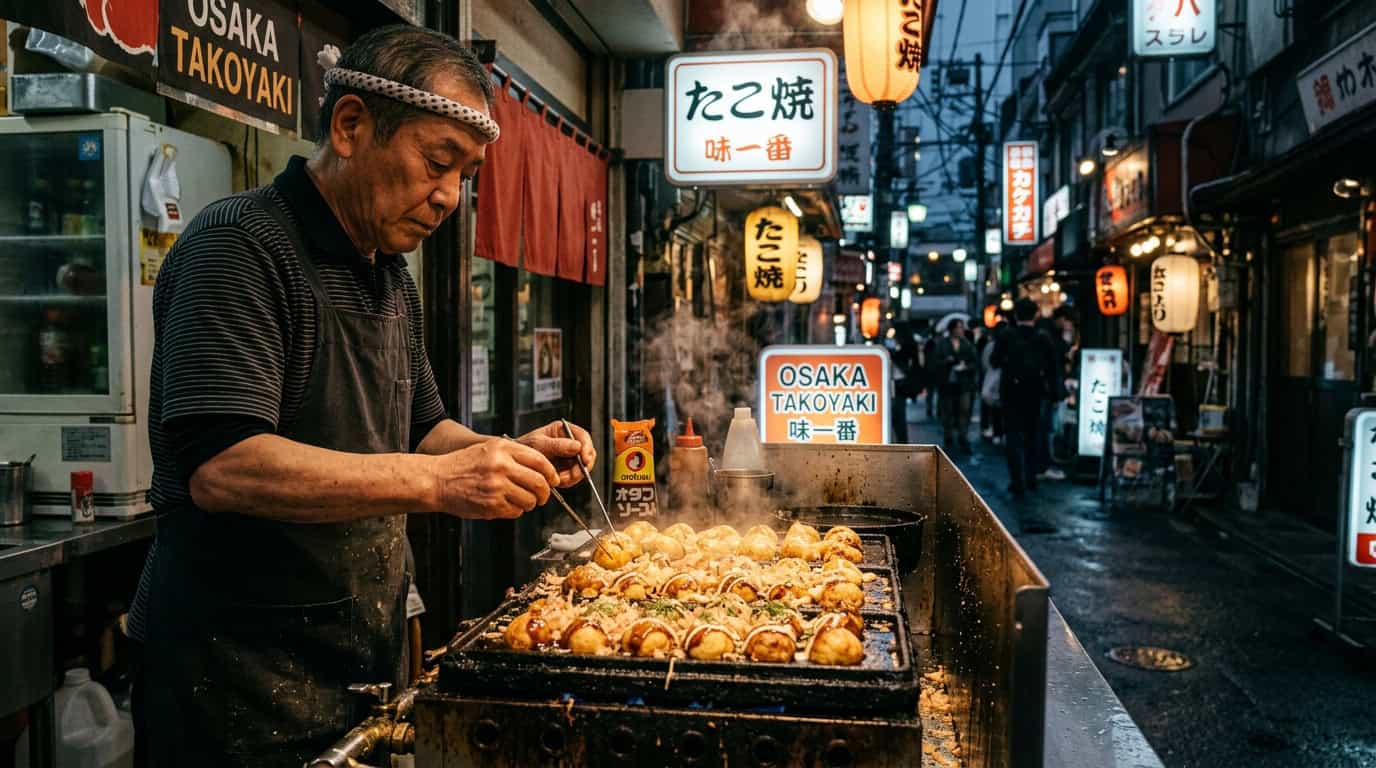
Most travelers treat this city as a quick stop, which is a mistake. I once spent two days here rushing to the castle and the aquarium, only to realize I had missed the soul of the place. When you stay for four days, the city shifts. You stop looking at sights and start looking at life: the way a chef flips takoyaki at a tiny street stall, or the quiet prayer whispered in a shrine hidden between office buildings.
The Seasonal Strategy
If you land in April, expect crowds. Everyone heads to Osaka Castle Park, but the Nishinomaru Garden is often shoulder-to-shoulder with tourists.
-
-
- My Recommendation: Try the Expo ’70 Commemorative Park. It features 5,500 cherry trees and a walking tunnel that provides room to breathe.
- Event Note: If your trip hits late April, visit Nagai Park for the meat festival, where regional butchers serve incredible cuts of local wagyu.
-
Culinary Mastery: Eating Like a Local
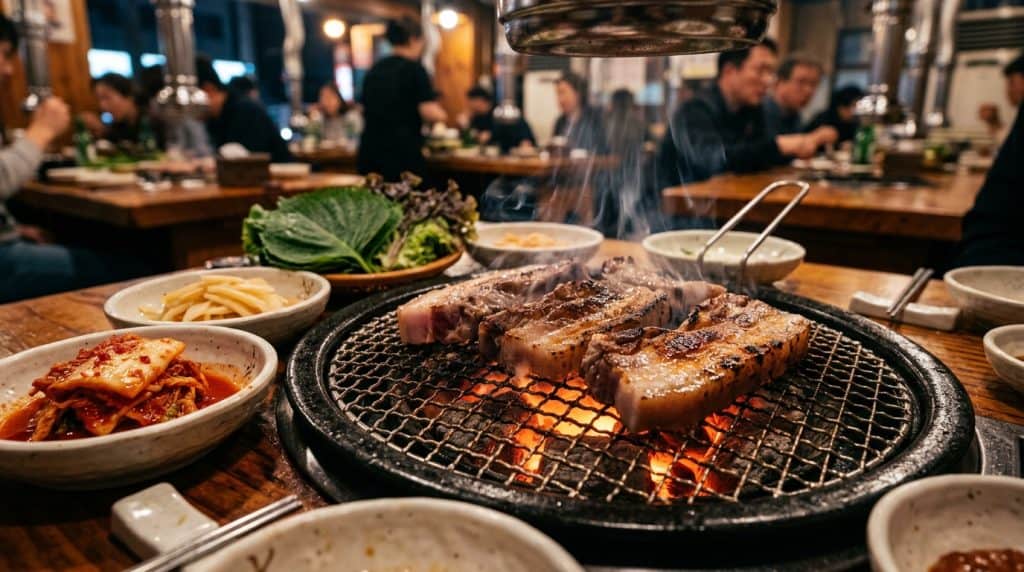
Many assume high-end dining requires reservations. In Osaka, the best meal is often a 600-yen plate eaten while standing on a sidewalk.
Essential Food Stops
-
-
- Shinsekai Izakayas: Skip the tourist traps. Find the tiny, standing-only bars where the locals go for skewers.
- Okonomiyaki Variations: Learn the difference. Osaka-style mixes the batter; Hiroshima-style layers it. I prefer the Osaka method for its messy, savory richness.
- Takoyaki Purity: Look for shops using fresh octopus and hand-ground batter. Kogaryu Honten in Amerikamura is my go-to for that perfect crispy-on-the-outside, soft-on-the-inside texture.
-
| Experience | Estimated Cost (USD) | Why It’s Worth It |
|---|---|---|
| Street Food Snack | $5 – $8 | Authentic, immediate flavor |
| Mid-range Dinner | $25 – $40 | High-quality, local variety |
| Local Subway | $1.50 – $3 | Efficient city traversal |
| Museum Entry | $10 – $15 | Deep cultural history |
Historical Pockets and Modern Art
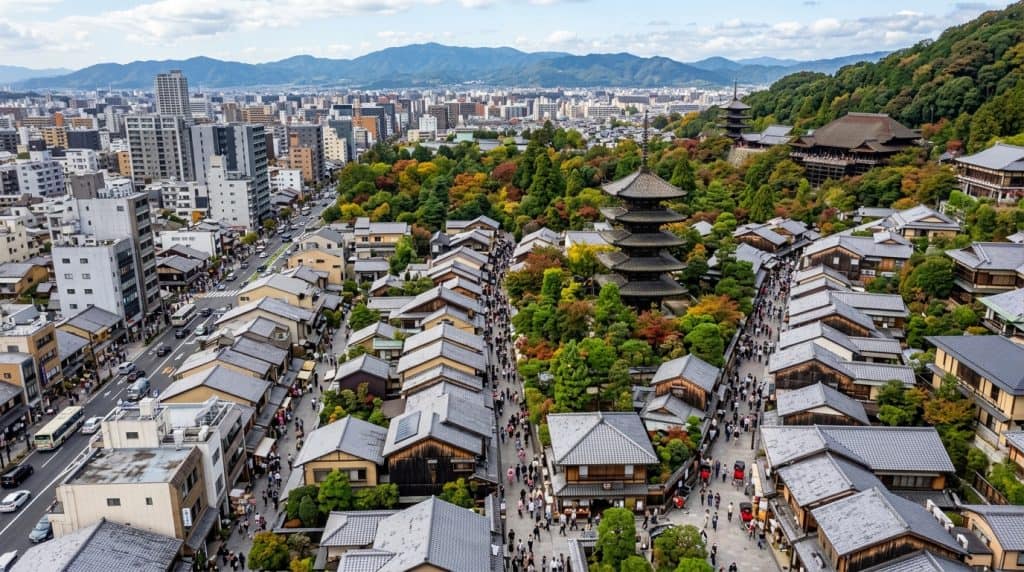
Osaka preserves its past quietly. The Shitennō-ji Temple is a masterclass in ancient architecture. I once caught a light rain shower there, and the lack of crowds allowed me to appreciate the five-storey pagoda in near silence. For contrast, the Nakanoshima Museum of Art serves as a beacon of the contemporary, hosting world-class retrospectives that feel worlds away from the street chaos.
Two Common Mistakes to Avoid
-
-
- The Cashless Myth: Even in 2026, many of the best back-alley ramen shops are strictly cash-only. I once stood in a shop for ten minutes realizing my digital wallet was useless; always carry at least 10,000 yen in paper money.
- JR Pass Over-reliance: Don’t use a national rail pass for city transit. It doesn’t work on local subways. Tap your phone with a Suica or Pasmo to save time and frustration.
-
Decision Framework: Is Osaka Right for You?
-
-
- This is ideal for: Travelers who value food above all else, budget-conscious wanderers, and fans of gritty, high-energy urban environments.
- You might want to skip this if: You are seeking a silent retreat or have significant mobility concerns. The city requires immense walking on uneven pavement.
-
Frequently Asked Questions
How many days should I actually spend in Osaka?
If you just want the highlights, two days will suffice. However, I strongly suggest four days. This allows you to include a day trip to Nara to see the deer and to dedicate a full evening to exploring the neon-lit backstreets of Shinsekai without feeling rushed. You simply cannot appreciate the depth of the local culture in a 48-hour window.
Is it worth buying the Osaka Amazing Pass?
If you plan on visiting at least three or four paid attractions—like the Umeda Sky Building or the Osaka Aquarium—the pass usually pays for itself. It also includes unlimited subway use. I found it especially useful when I had a packed itinerary. If you prefer aimless wandering, you are better off paying for individual rides as you go.
Can I use credit cards everywhere?
Major hotels and department stores take cards, but smaller, independent izakayas and street stalls almost exclusively take cash. I have learned the hard way to keep a handful of yen in my pocket. Never assume a card reader exists in the older, more traditional districts.
Final Thoughts
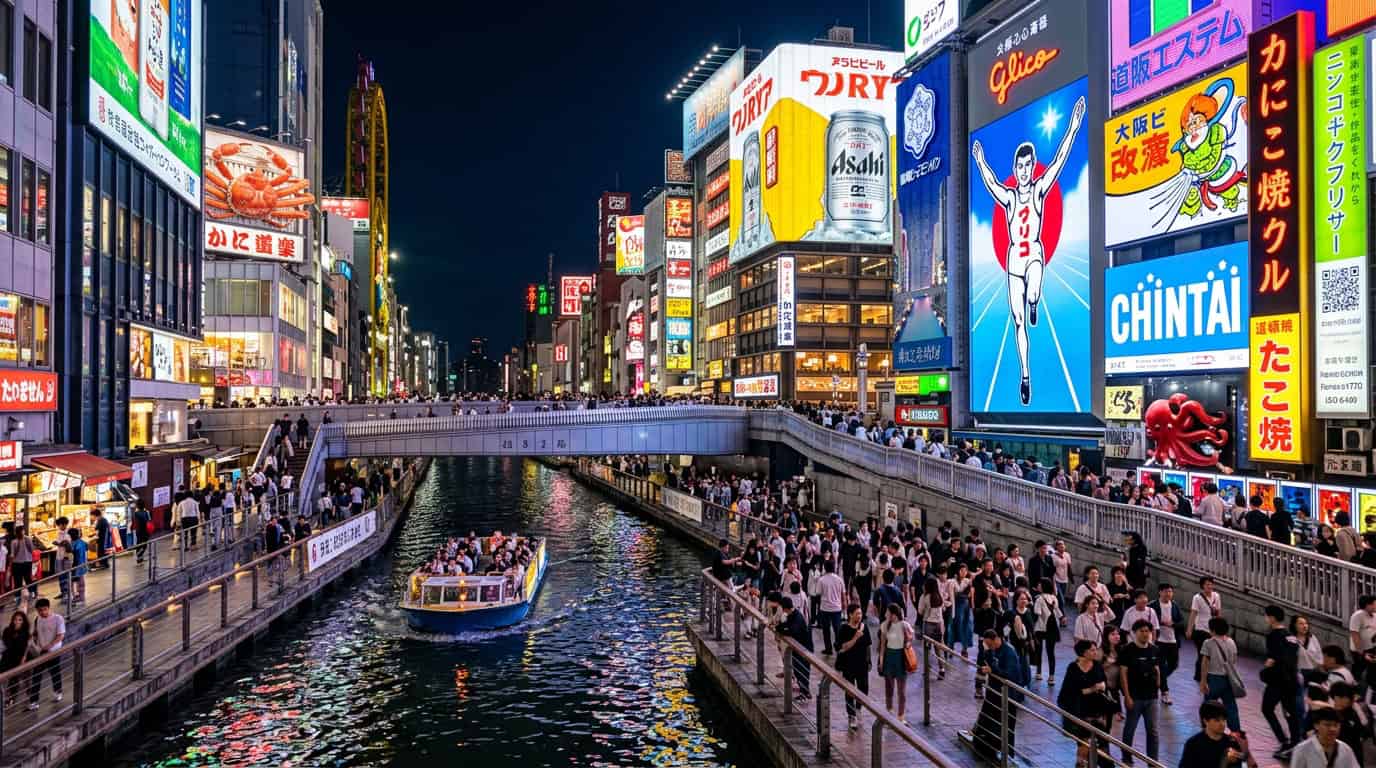
Osaka rewards the curious traveler who isn’t afraid to get lost. Whether you are eating octopus balls in a park or hunting for rare anime gear in Denden Town, the city feels consistently alive. Embrace the noise, try the food you cannot name, and do not be afraid to duck into a quiet, unnamed shop. Enjoy your time in the kitchen of Japan.