Discovering Japan Beyond the City
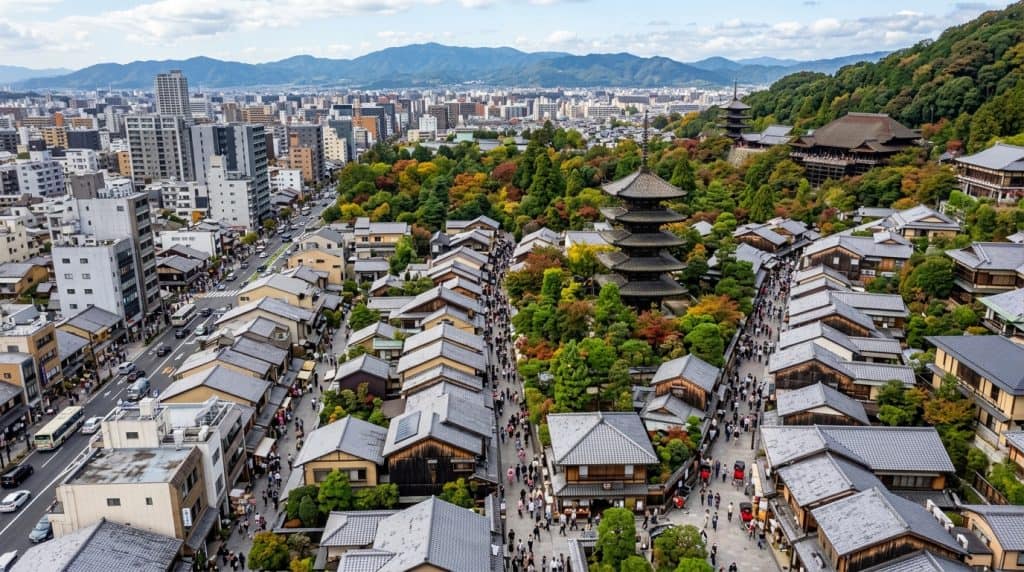
Osaka day trips allow you to peel back the layers of the Kansai region, revealing experiences that extend far beyond the neon-lit food stalls of Dotonbori. When I first moved to this region, I made the mistake of treating these nearby destinations as quick checklist items, rushing from one train platform to another. I quickly learned that the most authentic moments in Japan occur when you slow down and commit a full day to a single area. Whether you crave the silence of ancient temple forests or the salt-crusted air of a coastal town, your best memories often wait just 60 to 90 minutes away.
The Strategic Approach to Regional Travel
One common error travelers make is over-scheduling. Do not attempt to visit three different prefectures in one afternoon. You will spend your vacation staring at transit maps rather than breathing in the local atmosphere. I suggest choosing one base location and digging deep into its history, cuisine, and rhythm.
| Destination | Primary Appeal | Est. Travel Time | Best For |
|---|---|---|---|
| Mino Park | Nature | 40 mins | Hikers |
| Katsuo-ji | Culture | 60 mins | Photography |
| Kobe | Food | 45 mins | Foodies |
| Nara | History | 50 mins | Families |
| Arima Onsen | Relaxation | 75 mins | Couples |
| Mount Koya | Spirituality | 90 mins | Seekers |
Nature and Spiritual Escapes
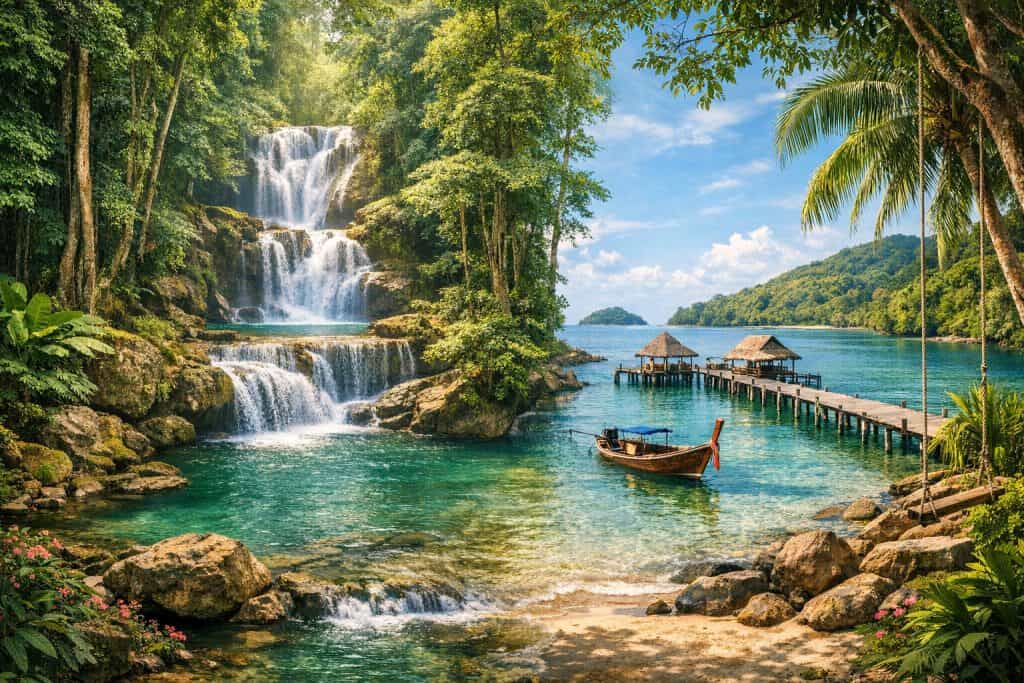
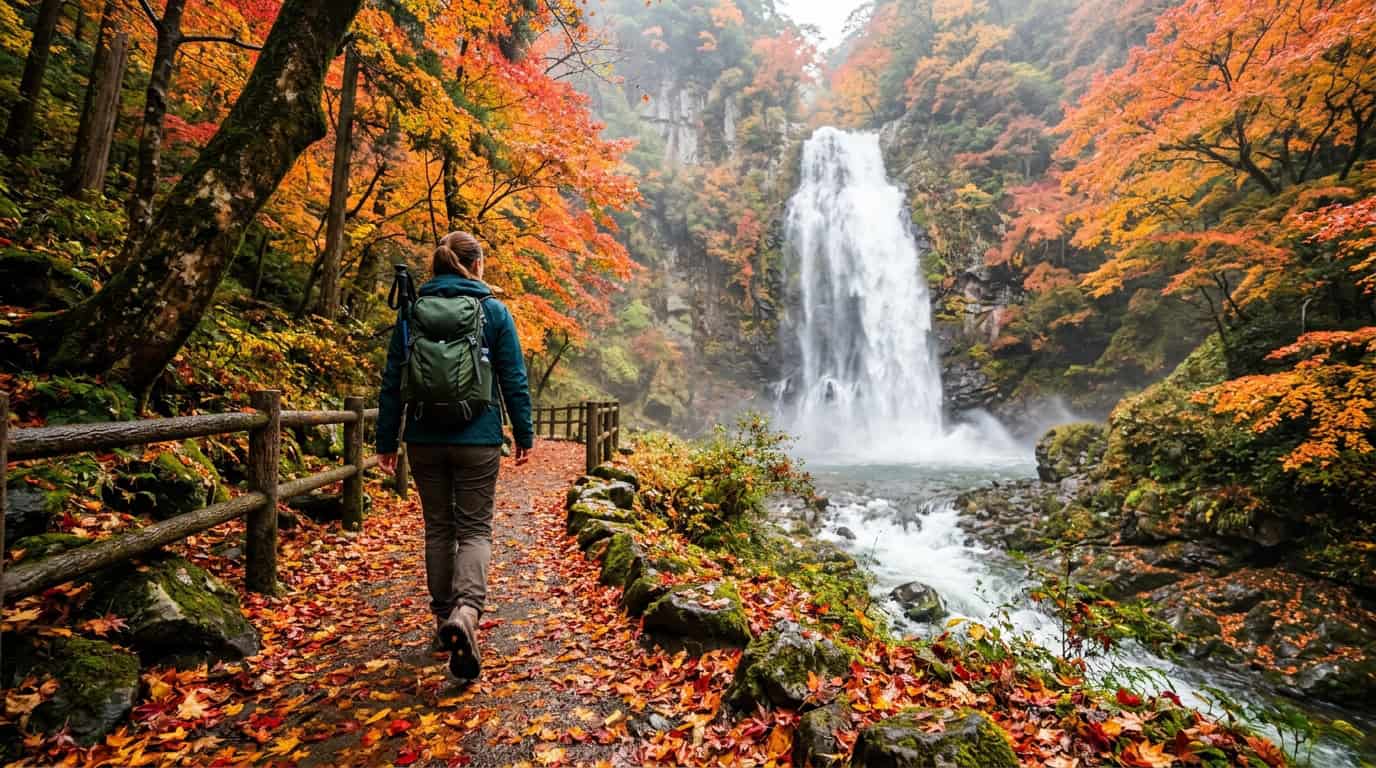
Mino Park offers a perfect refuge for anyone tired of urban white noise. The 40-minute hike to the waterfall is gentle and paved, making it accessible even if you aren’t an experienced hiker. I remember biting into a piece of maple-leaf tempura—yes, it’s a real, sweet, fried treat—while standing near the mist of the falls. Arrive by 8:30 AM; the morning light filtering through the canopy is quiet and meditative.
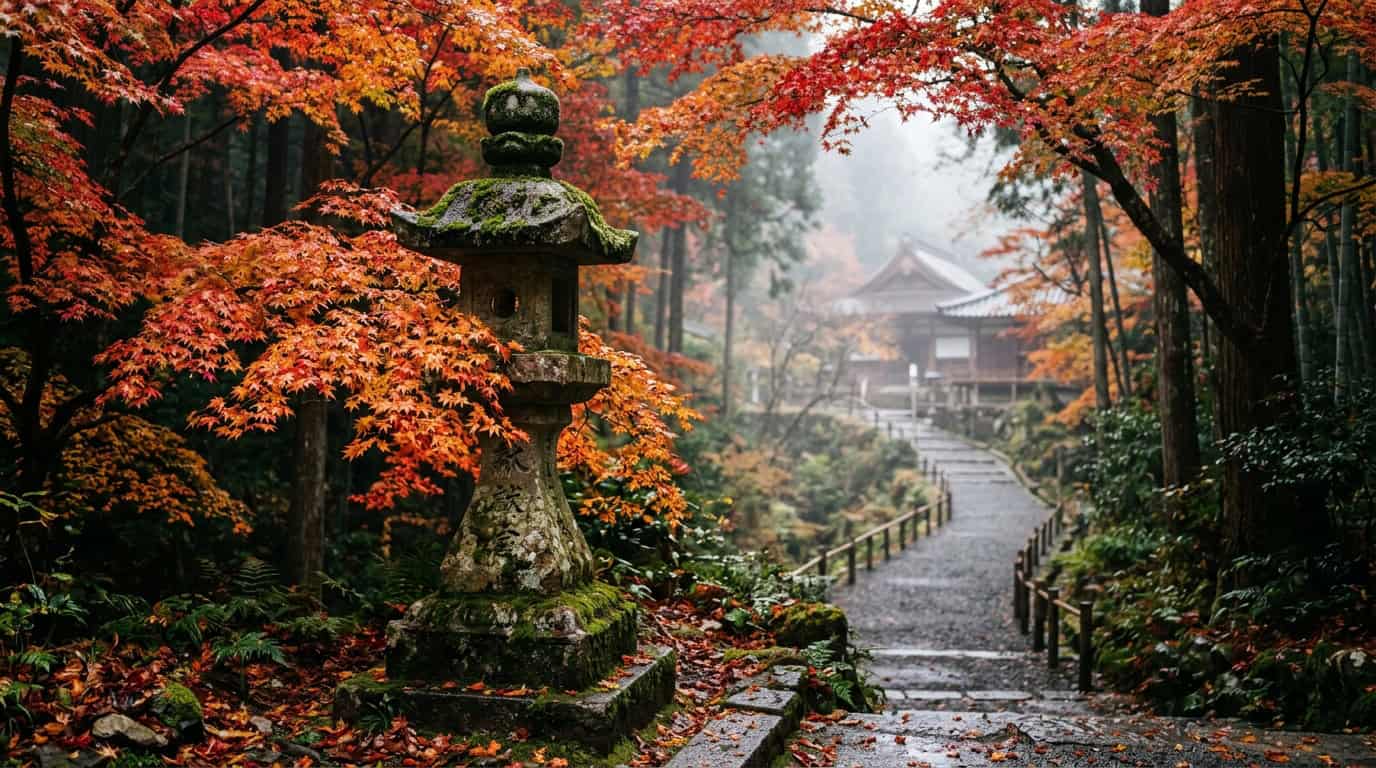
If you prefer deep history, Katsuo-ji Temple is a unique discovery. Known as the “Victory Temple,” its grounds are scattered with thousands of Daruma dolls. I spent nearly two hours here, and the silence was only broken by the wind. It provides a stark, welcome contrast to the sensory overload of downtown Osaka.
Urban Gems and Retro Charm
Many assume Kobe is only about high-end beef, but it is a city of distinct neighborhoods. Taking the ropeway up to the Nunobiki Herb Gardens provided me with a clear view of the harbor that I still look at to remember my trip. If you go, skip the tourist-trap steak houses and head to the Chinatown area for savory, inexpensive street-side skewers.
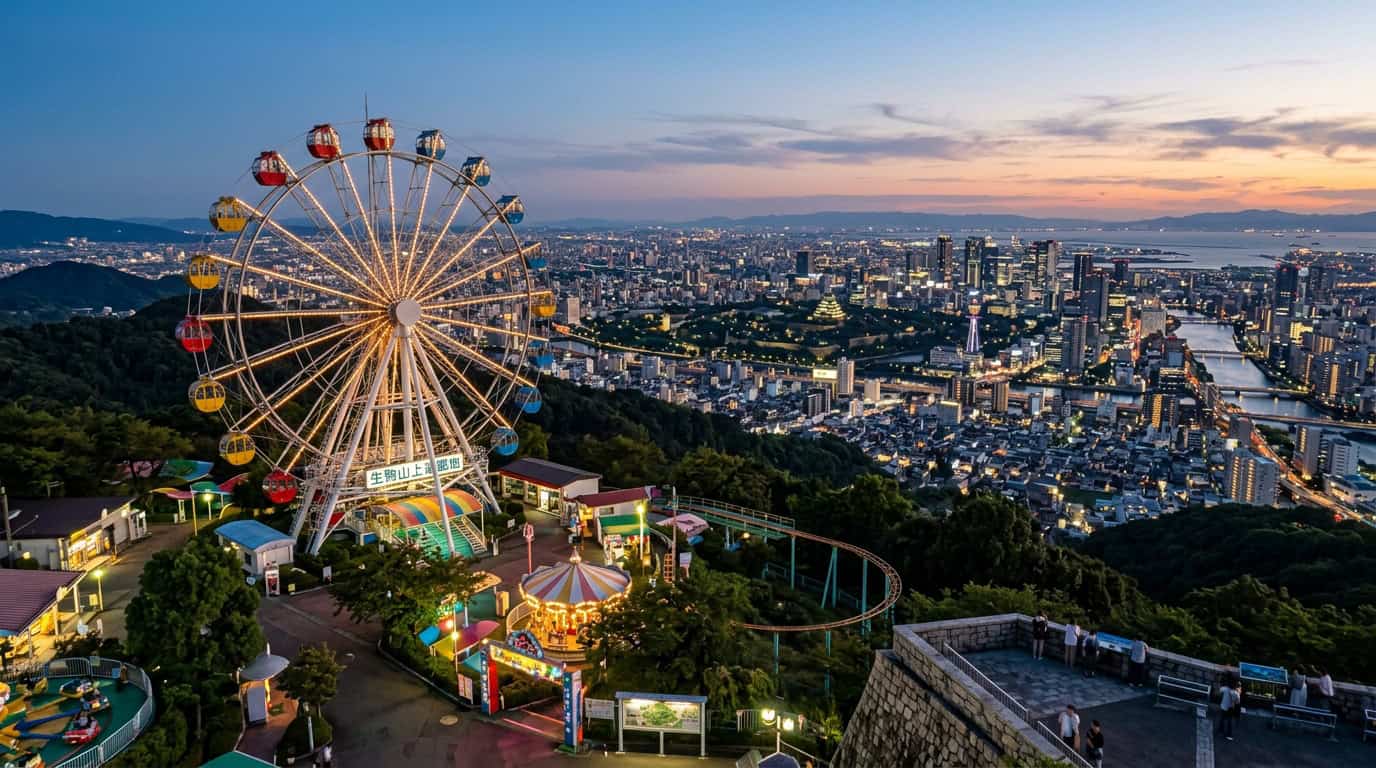
For those who love retro aesthetics, Ikoma Mountain Amusement Park feels like a time capsule. The rides are old, the colors are faded, and the view over the Osaka plain at sunset is genuinely nostalgic. It is not for the person seeking high-speed thrills, but it is perfect for anyone wanting to see a more playful, vintage side of Japan.
The Real Cost of Day Trips
Budgeting for these excursions requires a mix of rail fares and entry fees. You do not always need a Japan Rail Pass. For most of these routes, using an IC card (like Suica or ICOCA) is far more cost-effective. Expect to spend around ¥1,500 to ¥2,500 on round-trip transport per day. Dining costs depend on your style—grab-and-go street food usually keeps lunch under ¥1,500, while a sit-down meal in Kobe can run much higher.
Decision Guidance: Should You Go?
This is ideal for you if:
You have at least three full days in the Kansai region.
You enjoy a mix of outdoor activity and historical learning.
You want to escape the massive crowds of the major city hubs.
You might want to skip this if:
You are on a 48-hour whirlwind stopover.
-
-
- You are strictly interested in high-tech city attractions.
-
Two Common Misconceptions
First, many travelers believe they need a full JR Pass for these short trips. In reality, purchasing individual tickets or using a regional IC card is almost always cheaper for these specific routes. Second, there is a belief that you need to be fluent in Japanese to navigate these areas. Most stations have excellent English signage, and my experience with transit staff was helpful even when my Japanese was broken.
Frequently Asked Questions
How much time should I allocate for a typical day trip?
I recommend a full day, roughly 8:30 AM to 7:00 PM. This gives you time to explore, eat a proper lunch, and return before the late-night commuter rush starts. Rushing back by 3:00 PM usually means you miss the quiet, golden-hour moments at these sites.
Is it difficult to navigate these areas without speaking Japanese?
Not at all. I found that as long as I had an offline map downloaded, I could reach every destination easily. Ticket machines at the stations almost always offer an English interface, and the major tourist sites feature bilingual staff who are very accustomed to foreign visitors.
Which destination is best for a rainy day?
If the weather turns, head to the museums in the Expo ’70 Commemorative Park or take the train to Arima Onsen. Sitting in a steamy, outdoor hot spring bath while watching the rain fall is one of the most relaxing things you can do in Japan. It turns a washout day into a highlight.
Conclusion
Venturing beyond the city reveals the quiet, thoughtful core of the Kansai region. Whether you choose the forest trails of Mino or the history of Kishiwada, you are trading convenience for character. Pack your walking shoes, charge your mobile device, and prioritize one area at a time. This approach will transform your trip from a surface-level tour into a meaningful exploration of local life.