Planning your next adventure centered around ethical wildlife tourism requires careful research to ensure your presence supports conservation rather than exploitation. When you prioritize animal welfare, you transform a standard vacation into a meaningful contribution to global biodiversity. Choosing the right operator is the single most important decision you will make, as the industry remains rife with ‘sanctuaries’ that are simply disguised businesses profiting from captive animals.
Quick Summary
Prioritize Observation: Always opt for tours that view animals from a distance.
Verify Credentials: Check for accreditation from global bodies like the GFAS.
Avoid Performances: Any facility involving shows, rides, or direct physical handling is likely exploitative.
Support Conservation: Direct your money toward operators with transparent funding and research-backed goals.
The Real Cost of Wildlife Interactions
I vividly remember my trip to a popular coastal town where I was promised an ‘up close’ dolphin experience for $150. I arrived to find the animals trapped in a shallow, chlorinated pen, showing clear signs of distress and repetitive swimming patterns. It was a stark reminder that if an activity feels wrong, it probably is. True wildlife tourism involves observing animals in their natural habitat, where they have the agency to swim away or hide if they choose. My mistake was trusting a local concierge who prioritized commission over animal welfare; I felt complicit in their confinement for the rest of my trip.
Common Misconceptions Travelers Face
Many tourists fall for the Sanctuary Myth, assuming that any facility using the word ‘rescue’ is inherently ethical. In reality, some of these locations breed animals specifically to keep a rotation of cubs or young creatures available for visitor interactions. Another major trap is the ‘Safe’ Photo Op. Travelers often assume that if a place allows visitors to touch wild animals, it must be safe and controlled. In reality, large animals are often sedated to allow for these interactions, which is inherently cruel and places the animal under immense psychological strain.
Ethical Guidelines for Your Trip
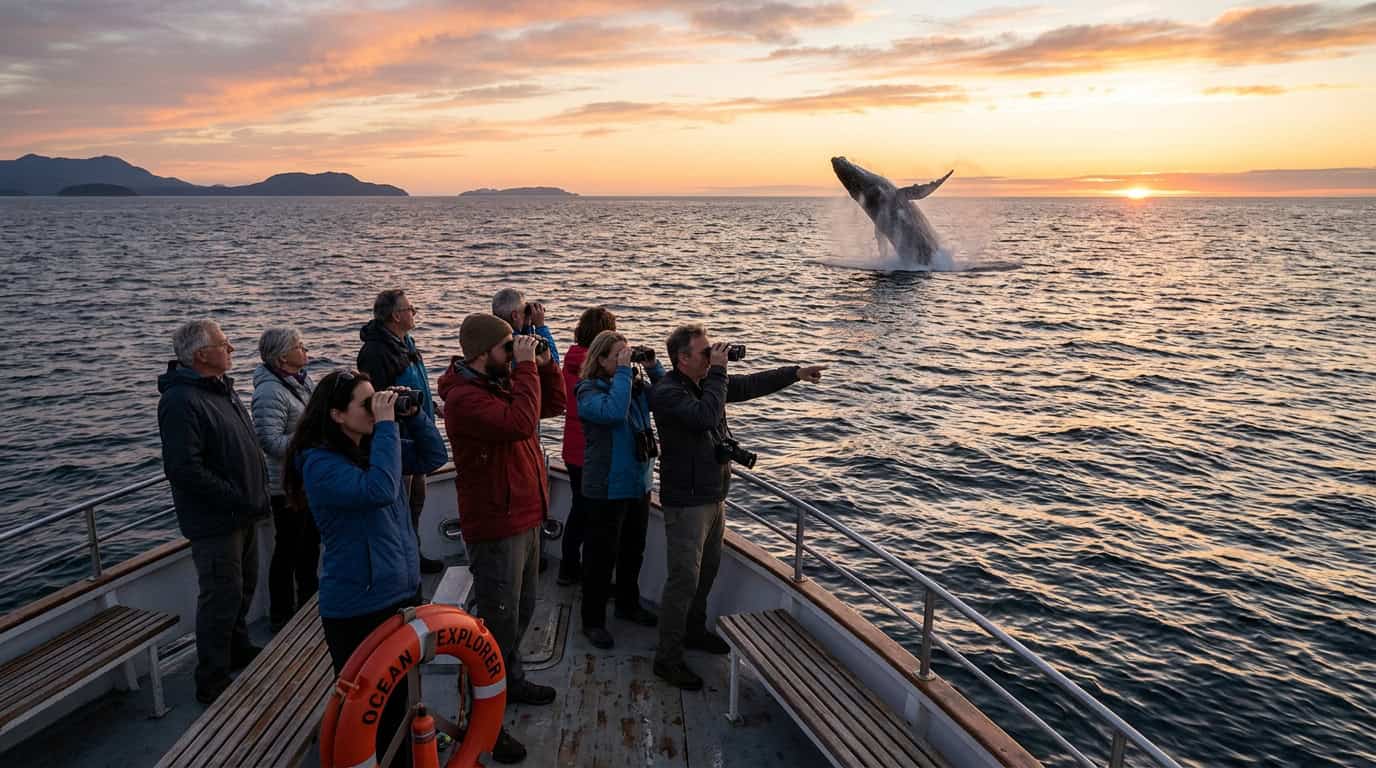
Before you book anything, ask yourself: Is this animal performing for me? If the answer is yes, walk away. Animals should never be forced to jump through hoops, carry people, or endure constant human touch. My personal rule of thumb is to look for ‘observation only’ tours. These tours usually cost between $80 and $300 per person and focus on education, providing binoculars instead of petting brushes.
Decision Rules: Who Should Choose Ethical Tours?
You SHOULD choose ethical tours if: You value conservation, want to see genuine animal behaviors, and are willing to pay for expert, certified guides.
You SHOULD NOT choose these if: Your goal is a social media photo holding an animal or if you are on an extremely strict budget that prevents booking with verified, sustainable operators.
Cost Comparison: Exploitative vs. Ethical Tourism
| Feature | Exploitative Tourism | Ethical Wildlife Tourism |
|---|---|---|
| Typical Price | $30 – $70 | $150 – $450 |
| Animal Interaction | Touch/Ride/Feed | Observe from distance |
| Primary Goal | Profit/Entertainment | Conservation/Research |
| Education Level | Low (Trick-based) | High (Habitat/Biology) |
Lessons Learned from My Travels
Once, in Southeast Asia, I ignored my gut feeling and paid $20 to visit a roadside ‘tiger experience.’ The smell of ammonia was overwhelming, and the tigers looked lethargic. I felt complicit in their misery for the rest of the trip. Since that day, I research every single stop on my itinerary against the World Animal Protection list of venues to avoid. It takes an extra 20 minutes of planning, but it has saved me from regret and ensures my money goes toward real habitat protection efforts. It is also important to note that even well-meaning parks can sometimes be understaffed; always check the current reviews and the facility’s specific rehabilitation success rates.
Navigating Local Regulations
It is vital to recognize that tourism laws vary significantly by region. In some countries, government-sanctioned wildlife parks still engage in practices that international standards deem unacceptable. I learned that local ‘certification’ isn’t always equal to international ‘accreditation.’ Always look for third-party auditing rather than relying on local tourism boards which may have a vested interest in keeping the economy moving regardless of animal treatment. Look for transparency regarding how many staff members are trained biologists versus seasonal laborers.
Frequently Asked Questions
How can I verify if a sanctuary is actually ethical?
Look for clear ‘no-touch’ policies. Ethical sanctuaries prioritize the animal’s comfort above visitor satisfaction. Check for transparency in their funding and whether they allow breeding; true sanctuaries generally prevent breeding because they do not intend to release animals into the wild or perpetuate captivity. If a place allows you to take a selfie with a predator, it is almost certainly not an ethical sanctuary.
Why are ‘ethical’ tours significantly more expensive?
Ethical tours carry higher operational costs because they maintain lower visitor-to-animal ratios, hire professional biologists rather than handlers, and invest in habitat restoration. You aren’t just paying for the ride; you are paying for the survival of the species and the fair treatment of the staff who protect them. These higher prices also help discourage overcrowding in delicate ecosystems.
What should I do if I see animal abuse while traveling?
Document the abuse if it is safe to do so, but avoid confronting the operators directly if you feel vulnerable. Note the facility’s name and location, then report it to reputable international organizations like PETA or the World Animal Protection. Your report can help these organizations pressure local authorities to investigate and can serve as a warning to other travelers on forums like TripAdvisor.
Final Thoughts on Conscious Travel
Your choices determine which businesses survive and which ones fold. By choosing to skip the elephant ride or the tiger photo, you actively signal to the market that the future of travel is kind, observational, and scientifically sound. I encourage you to seek out experiences where the animal is the focus, not your ego. When we travel with this mindset, we contribute to a world where wildlife thrives in the wild rather than behind bars. Start your research today, and your future self—and the animals you would have otherwise disturbed—will thank you.”,
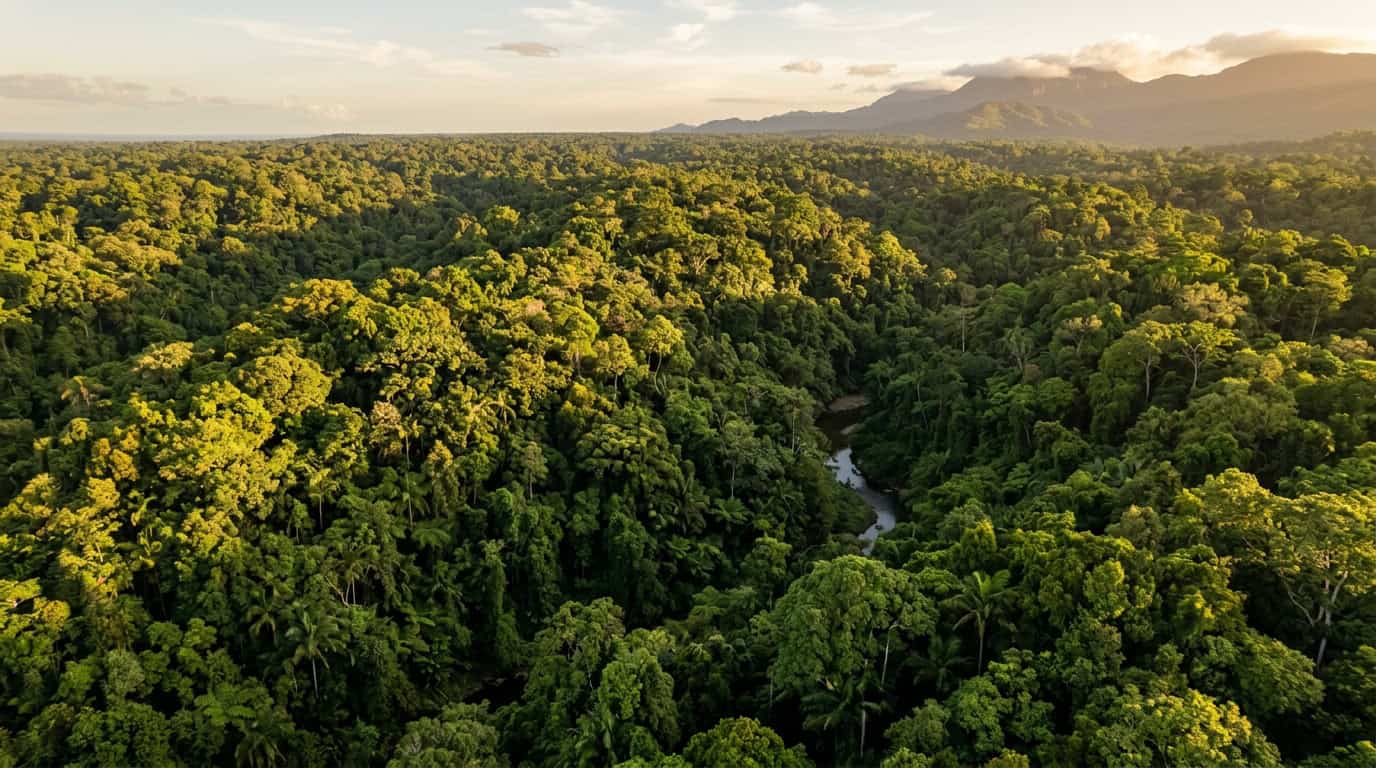
“imagegenerationprompt”: “A professional, high-angle photograph of a lush, green forest canopy, capturing the serene atmosphere of an eco-conscious jungle reserve. The lighting is golden hour, casting long, soft shadows and highlighting the texture of native trees and ferns. There are no human figures in the frame to emphasize the wild, protected state of the environment