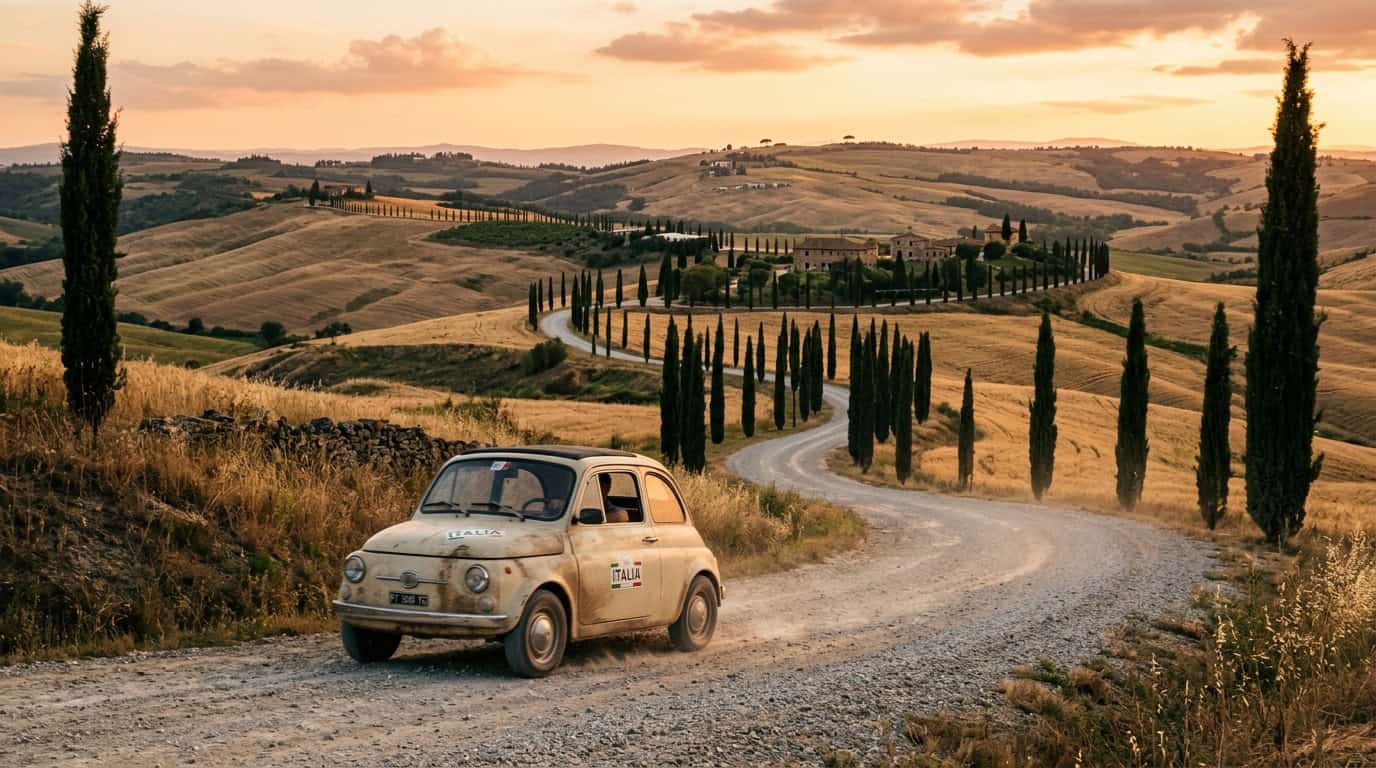
Planning your perfect Italian road trip requires more than just a GPS; it demands a strategic mindset to navigate the country’s unique blend of ancient infrastructure and modern traffic intensity. Having driven across the peninsula three separate times, I have learned that the allure of the open road often clashes with the reality of narrow, 14th-century stone passages. You cannot equate mileage with time here. A 50-mile stint across the rolling hills of Tuscany can easily consume three hours, whereas a similar distance on the Autostrada might take forty minutes. The key is prioritizing slow, intentional movement over sheer distance.
Strategic Quick Takeaways for Drivers
Rent the Smallest Vehicle Possible: I once squeezed a mid-sized sedan into a medieval street in Lucca and spent twenty minutes retracting my side mirrors just to avoid scraping the stone walls. Opt for a compact city car.
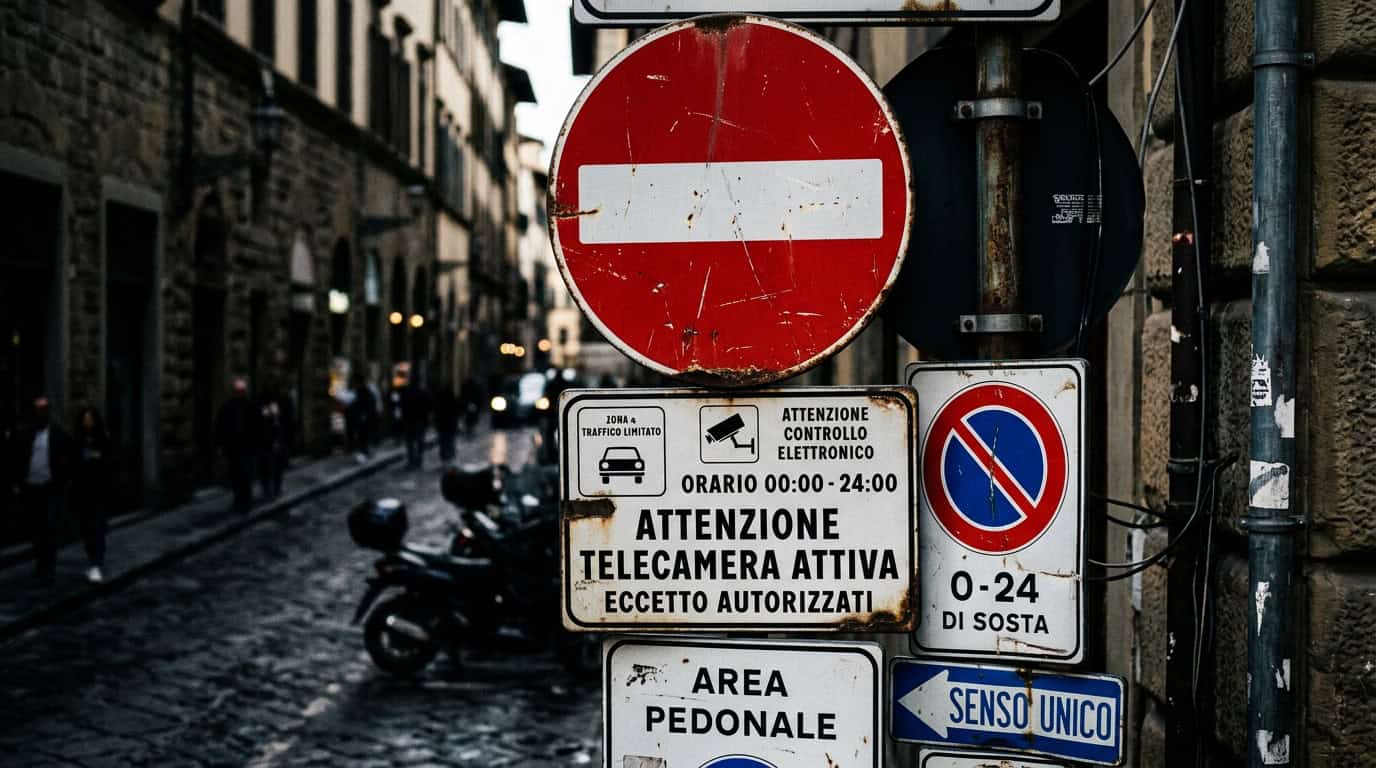
Decode the ZTL: The Zona Traffico Limitato is an automated zone where cameras monitor your license plate. Unauthorized entry triggers a heavy fine that often arrives months later.
Master the Tolls: The Autostrada is efficient but expensive. Always keep a credit card or cash ready for the machines; avoid ‘Telepass’ lanes unless you have a pre-registered transponder.
Refuel Wisely: Avoid ‘Servito’ (full-service) pumps whenever possible, as they add a premium to the fuel price. Self-service pumps are straightforward and much cheaper.
Designing Your Ideal Italian Route
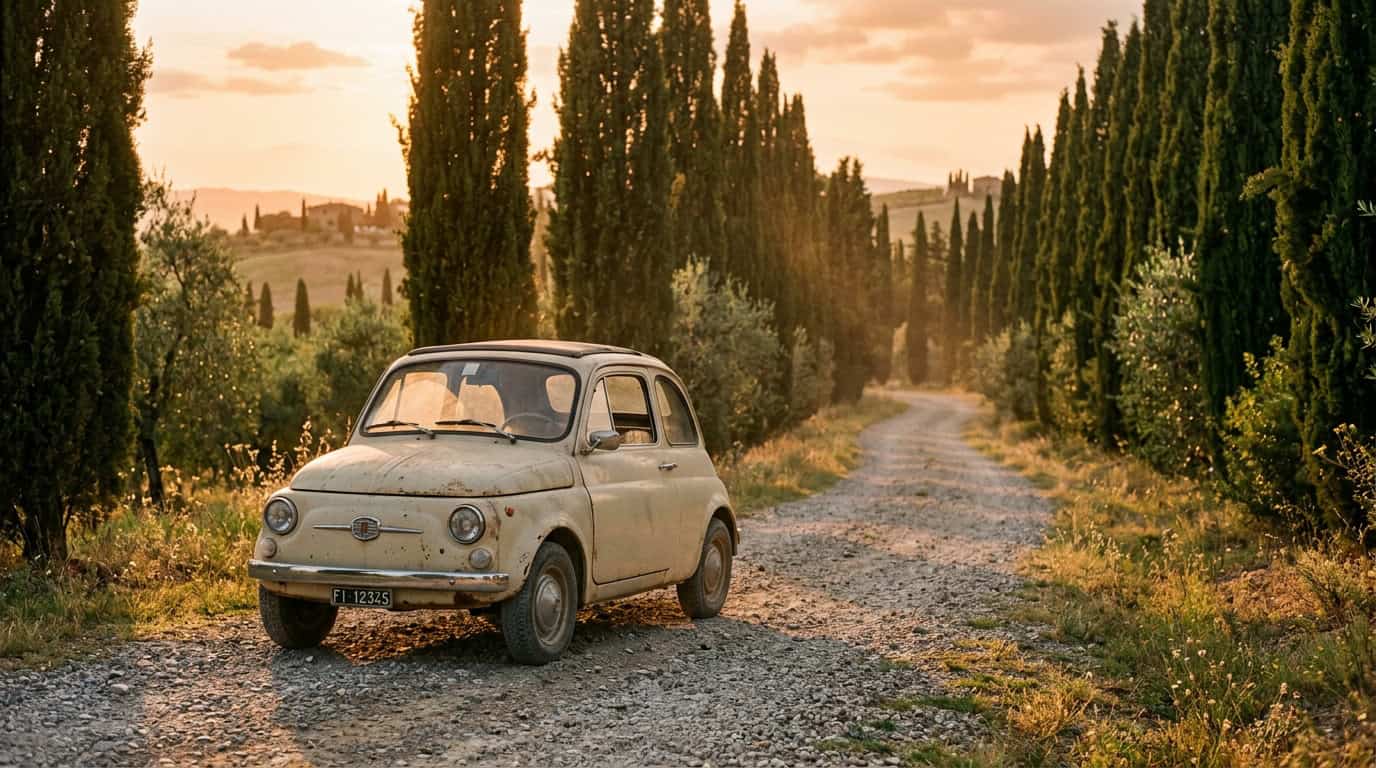
My inaugural trip was a logistical failure because I attempted to cram Milan, Rome, and Sicily into one week. I spent roughly 30 hours behind the wheel and only a few hours enjoying local food. If you have 7 to 10 days, pick one geographic region and lean into it. A loop through the Tuscany region or hugging the coastline of the Amalfi Coast allows for genuine discovery rather than just staring at the back of a truck on the highway.
Who Should Take This Trip?
Independent Travelers: If you want to reach hilltop villages like Pienza or Volterra that trains simply do not serve, a car is your only ticket.
Culinary Enthusiasts: Driving allows you to visit small-scale vineyards and family-run producers that don’t accommodate massive bus tours.
Adaptable Souls: You will encounter unexpected festivals, road construction, or detours. If you can change plans without spiraling into stress, you will thrive here.
Who Should Stick to the Trains?
City-Focused Sightseers: If your itinerary is centered on Rome, Florence, or Milan, driving is a liability. Parking costs in urban areas can reach €30–€40 per day, and finding a legal spot is essentially a full-time job.
Budget Travelers: Between gas prices (hovering around €1.90 per liter) and steep tolls, a solo traveler will spend significantly more on a car than on Italy’s high-speed train network.
Cost Comparison: The Financial Reality
| Expense Category | Car rental Trip (2 Pax) | Train Travel (2 Pax) |
|---|---|---|
| Daily Transport | €80–€120 | €40–€70 |
| Parking Fees | €20–€30/day | €0 |
| Flexibility | High | Medium |
| Stress Levels | High (Traffic/Navigation) | Low (Relaxed) |
Navigating the Rules of the Road
Driving in Italy is an exercise in assertive communication. When merging onto a highway, signal your intent clearly and commit to the gap. In Rome, I missed my highway exit twice because I waited for a polite space that never materialized. You must signal early, maintain your position, and keep your eyes peeled for speed cameras on the Autostrada. These are marked by blue signage; missing them can result in an expensive administrative charge processed through your rental company long after you have returned home.
Understanding Italian Road Markings
Blue Lines: These represent paid parking areas. Check for a nearby machine or an app to register your stay.
White Lines: These are typically free, but always double-check for signs indicating a time limit or residential-only status.
Yellow Lines: Strictly for residents. Do not gamble here, as towing is aggressive and incredibly expensive.
Frequently Asked Questions
Is driving in Rome or Florence actually that bad?
It is objectively difficult for outsiders. Most historical centers are guarded by ZTL cameras. I once spent an hour circling a neighborhood in Florence before finding a garage, only to pay €35 for a few hours of parking. I strongly suggest keeping your rental car outside the historic core, utilizing local parking garages on the city’s perimeter, and relying on your feet or taxis once you have arrived.
Should I request an automatic or manual transmission?
If you lack confidence in maneuvering a stick shift on steep, narrow inclines, you must reserve an automatic vehicle at least two months in advance. Many rental fleets are predominantly manual, and finding an automatic last-minute is rarely possible. The extra cost for the automatic transmission is worth the peace of mind during a high-stress climb.
What happens if I receive a traffic fine back home?
Do not ignore the notice. The Italian authorities will work through your rental agency, which will charge you an administrative processing fee just for identifying you. Contact the rental company as soon as you are notified to understand the details, and pay the original fine through the official portal listed on your citation. Delaying will only lead to late interest and potential collections issues.
Final Thoughts on the Journey
An Italian road trip remains the most rewarding way to experience the country’s soul, provided you accept that things will not always proceed as planned. You might take a wrong turn down a narrow alley, miscalculate your fuel budget, or pay too much for a parking spot. Embrace the chaos, keep your toll money accessible, and prioritize the experience over the destination. By planning your routes carefully and respecting local traffic norms, you will find that the freedom of the road far outweighs the occasional logistical headache.