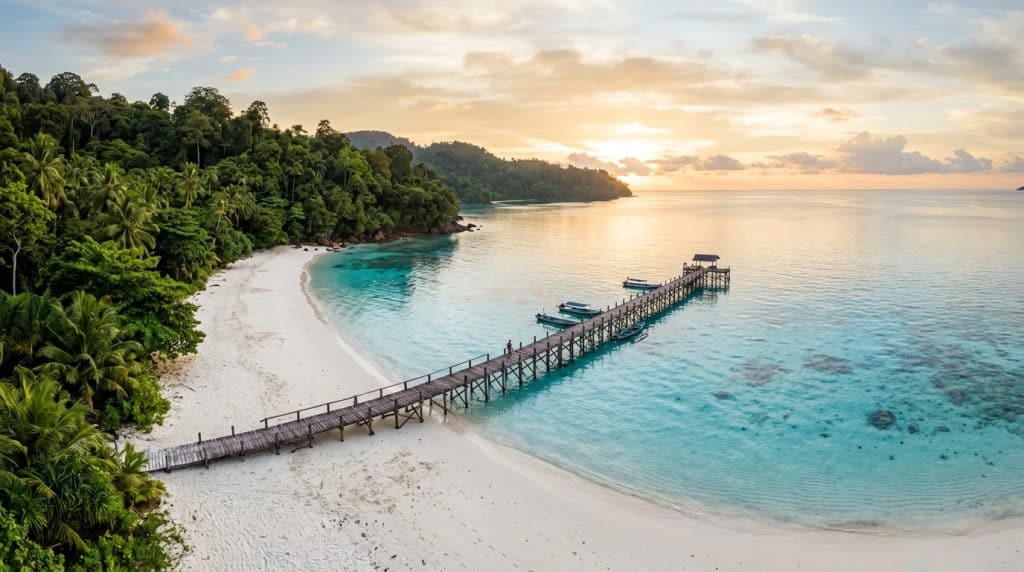
Bucket list travel destinations used to mean simply pointing at Paris or Rome on a map and booking a flight. That strategy no longer works. We are currently witnessing a massive shift in global tourism behavior. While global long-haul travel has rebounded entirely, a significant 74% of vacationers are worried about the crushing impacts of overtourism in traditional European and Asian hotspots. You likely want to see the pyramids, float in the turquoise waters of the Indian Ocean, or eat authentic street food in Southeast Asia, but you also want to avoid standing in three-hour lines just to take a single photograph.
Today, executing a major global trip requires strategic routing, an understanding of geographical seasonality, and a willingness to pivot away from heavily congested capitals. Based on comprehensive global travel data, emerging tourism initiatives, and shifting economic realities, this guide breaks down exactly where you should allocate your travel funds this year.
Quick Summary
- Mongolia and the Balkans lead the pack: Government-driven initiatives in Mongolia and the new 3,364-kilometer Trans Dinarica Cycle Route in the Balkans are actively drawing tourists away from overcrowded Western Europe.
- Nature tourism requires urgency: If you want to see the Northern Lights, you need to head to Iceland or Norway immediately to capitalize on the solar maximum peaking between 2024 and 2026.
- Conscious luxury is the new benchmark: Ultra-wealthy travelers are abandoning major resort islands like Maui in favor of heavily privatized, low-foot-traffic alternatives like Lanai, Hawaii.
- Overtourism is changing access laws: Iconic sites like Machu Picchu and the Acropolis now strictly enforce timed-entry tickets and specific walking circuits. Spontaneous visits are no longer physically possible.
- The US Midwest is the ultimate value: Travelers looking to beat global inflation are finding Michelin-quality dining and eco-resorts in American cities like Milwaukee and Detroit for a fraction of coastal prices.
The Direct Answer: Where Should You Go Right Now?
If you want to know exactly where to direct your travel budget this year, your decision depends heavily on your tolerance for crowds and your primary travel objective.
If budget is not a primary concern and you want the ultimate relaxation trip with zero crowds, the remote island of Lanai, Hawaii, is the definitive choice for 2024. Because 98% of the island is privately owned, it actively blocks the mass tourism seen in Maui, offering highly clinical wellness retreats and total isolation.
If you are looking for the absolute highest value-to-experience ratio on the planet, look to Vietnam or the US Midwest. Vietnam offers elite gastronomy and incredible natural limestone karsts for roughly one-third the cost of Western Europe. Surprisingly, American cities like Milwaukee and Detroit are currently leading global value indexes by offering converted warehouse art districts and Michelin-level dining without the extreme inflation seen in New York or Los Angeles.
Finally, if you want extreme outdoor adventure, book a flight to Iceland or Norway. We are currently in the middle of a massive 11-year solar maximum that extends through 2026. This means your statistical chances of seeing a highly active Aurora Borealis are better right now than they will be for another decade.
If you are comparing destination styles, this article pairs well with
Extraordinary Travel Experiences,
Trending Travel Destinations 2026,
and
Best Places to Visit in Vietnam
for broader planning.
The New Rules of High-Value and Sustainable Travel
Countries are finally reacting to the extreme pressure of localized overtourism. Instead of simply marketing their famous capitals, national tourism boards are changing infrastructure to physically move you into emerging regions.
Mongolia’s Open Door Policy
Mongolia recently secured the number one spot on several global travel indexes, and it is entirely by design. The Mongolian government declared the current window as the Years to Visit Mongolia. To enforce this, they have heavily relaxed entry conditions for international travelers and opened a brand new international airport. This is the ideal destination for travelers who want vast, unpopulated landscapes and raw nomadic culture before the infrastructure becomes fully commercialized.
Spain’s Dispersal Strategy
Spain remains a massive draw, but cities like Barcelona are actively cracking down on short-term rentals and cruise ship docking to combat severe local housing crises and street congestion. The smarter move is pivoting to the Spanish Basque Country. Cities like San Sebastian boast 18 Michelin stars—the highest density per square kilometer outside of Kyoto, Japan. You get world-class gastronomy and rugged coastal hiking trails without contributing to the extreme pressure on southern coastal hubs.
Slow Travel via the Trans Dinarica
For active travelers, the most exciting development in Europe is the Trans Dinarica Cycle Route. Opening fully in 2024, this massive 3,364-kilometer trail connects eight distinct nations, including Slovenia, Croatia, Bosnia and Herzegovina, and Montenegro. This represents a massive shift toward slow travel—prioritizing physical activity and environmental consciousness over rapid, carbon-heavy flights between major capitals.
Epic Outdoor and Extreme Expeditions
If your idea of a vacation involves physical exhaustion and massive geographical payoffs, the current trend points firmly toward the Arctic Circle and high-altitude trekking.
Svalbard, Norway
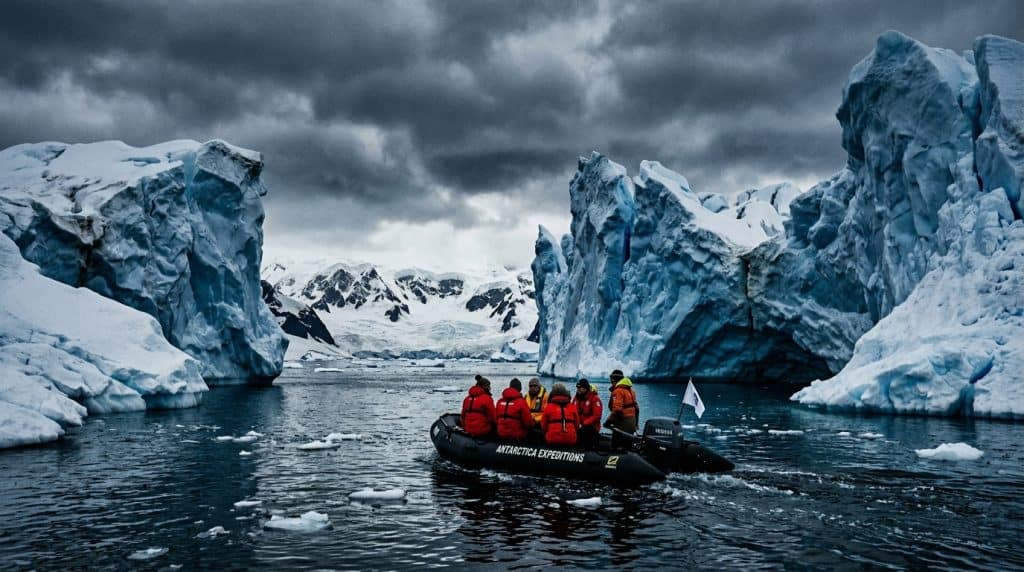
Located deep in the Arctic Circle, Svalbard is an extreme wilderness destination that is not for the casual tourist. Expeditions here typically last between 8 to 22 days and require a moderate-to-difficult level of physical fitness. Temperatures rarely rise above freezing, and you are operating in prime polar bear territory. However, kayaking near the Svea or Von Post glaciers provides a level of stark, terrifying isolation that you simply cannot find on mainland Europe.
The Himalayas and Everest Base Camp
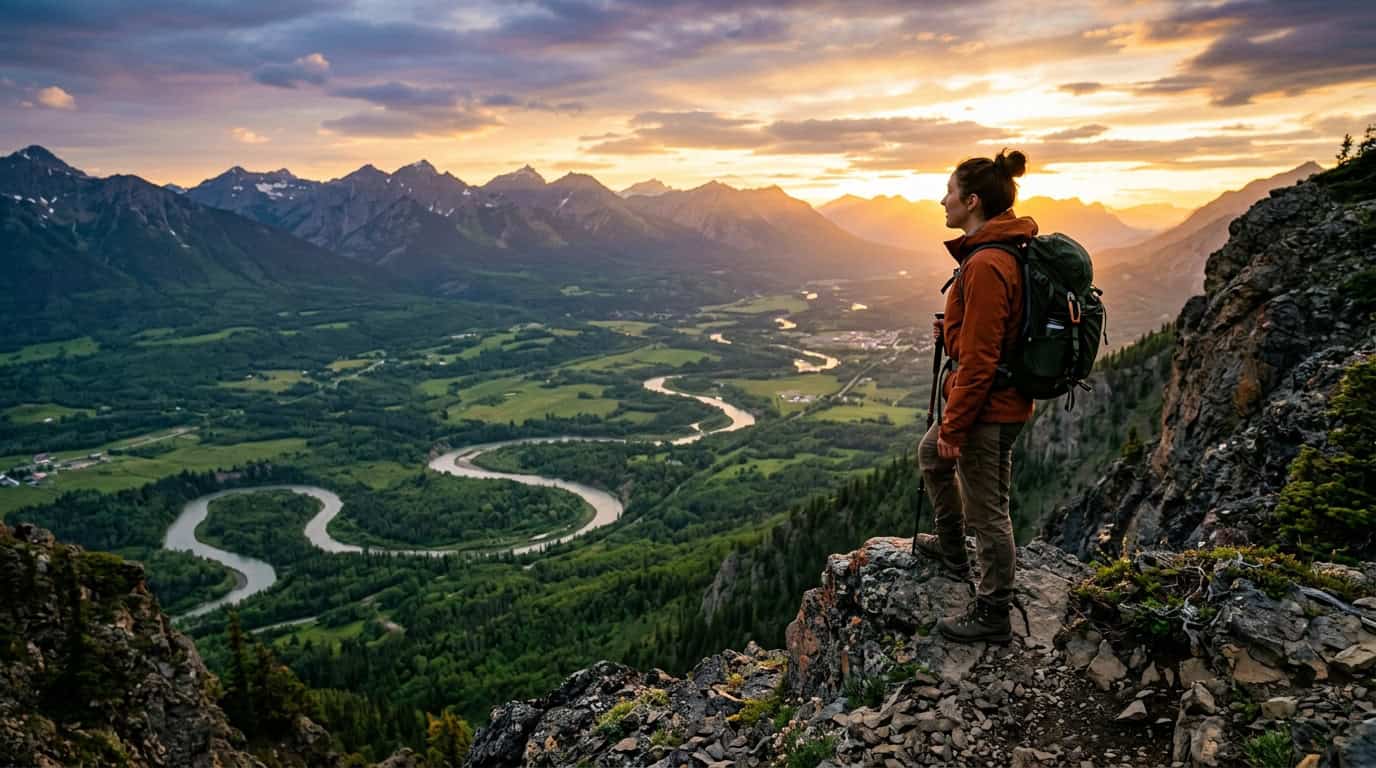
I have spoken with dozens of trekkers who tackle the Himalayas, and the consensus is always the same: it is a deeply rewarding, thoroughly exhausting mental battle. Reaching Everest Base Camp requires roughly two weeks of hiking. You must be prepared to combat intense daily fatigue, deal with symptoms of early altitude sickness, and physically fight for oxygen while ascending hundreds of meters daily. If you want the views without the physical toll, countries like Bhutan offer highly curated, comfortable cultural tours through locations like Thimphu and the Tiger’s Nest monastery, though you will pay a steep daily tourist tax for the privilege.
Luxury, Wellness, and “Conscious Travel”
The ultra-luxury sector has completely abandoned the idea of the mega-resort in favor of hyper-privatized, wellness-oriented isolation.
Lanai, Hawaii
Following the 2021 post-pandemic travel boom, main Hawaiian islands like Maui and Oahu experienced severe, highly publicized overtourism. In response, luxury travelers are pivoting to Lanai. Billionaire Larry Ellison purchased 98% of this island in 2012 to transform it into a secluded luxury haven. Properties like Sensei Lanai focus entirely on clinical-level wellness. Instead of standard spa treatments, you engage in sleep analysis, thermal body mapping, and forest bathing, paired with dining provided by Nobu. It is prohibitively expensive, but it represents the absolute peak of modern conscious travel.
Napa Valley, California
Moving beyond its reputation strictly as a wine destination, Napa Valley is actively promoting itself as an outdoor recreation and culinary hotspot. Massive, historic properties like the 700-acre Stanly Ranch offer private cottage suites equipped with outdoor terraces and fire pits.
Pro Tip: When booking domestic luxury travel, utilizing a boutique booking agency can yield massive returns. Booking a suite at properties like Stanly Ranch through high-end agencies often unlocks heavy subsidies—sometimes up to a $1,000 hotel credit—which you can immediately apply to on-property Michelin-starred dining or extensive spa services.
Surviving the World’s Mega-Landmarks
Certain global icons will always remain bucket list travel destinations. They are culturally profound and architecturally staggering. However, visiting them today requires military-level logistics.
Machu Picchu, Peru
Sitting at 2,430 meters above sea level in the Andes Mountains, this 15th-century Incan citadel is an absolute logistical bottleneck. You can no longer wander freely. The Peruvian government now enforces specific walking circuits to fight physical degradation of the site.
I underestimated the altitude here on my first visit. I assumed I could fly into Cusco and start trekking the next morning. That was a massive error that resulted in two days of debilitating nausea. You must plan for at least 48 hours of acclimatization in the Urubamba Valley before attempting any serious elevation gains or starting the Inca Trail.
Petra, Jordan
This 2,000-year-old city carved entirely into red sandstone rock spans roughly 60 square kilometers. Walking down the narrow Siq gorge to see the Treasury reveal itself is genuinely awe-inspiring. However, the daytime crowds and intense desert heat can severely detract from the experience. To upgrade this visit, time your itinerary so you can attend Petra at Night, an event where the mile-long path to the Treasury is illuminated by over 1,500 candles under a dark desert sky.
Wildlife Safaris: Finding the Right Fit
Not all African safaris are created equal, and choosing the wrong region will leave you staring at the back of a dozen other tourist jeeps rather than local wildlife.
The Okavango Delta, Botswana
If you hate crowds, Botswana is the premium choice. The Okavango Delta is the world’s largest inland delta, spanning 17,000 square kilometers. The government operates on a strict high-revenue, low-volume tourism policy. This means your daily costs will be incredibly high, but you are virtually guaranteed an isolated experience viewing predators and over 400 bird species without fighting for camera angles.
The Serengeti, Tanzania
If sheer scale is your goal, Tanzania is the answer. The Serengeti hosts the great wildebeest migration, where over one million animals cross the plains. It is a staggering biological event. However, you must accept the trade-off: this is a highly tourist-dense region. During peak migration months (August to October), the volume of 4×4 vehicles can occasionally outnumber the animals you are trying to observe.
The True Cost of Bucket List Travel Destinations
To understand the financial reality of these trips, here is baseline tour data for the 2024 travel season. These numbers represent standard 9-to-14 day guided or highly structured itineraries, excluding international long-haul airfare.
Common Mistakes to Avoid When Planning Your Trip
Even seasoned travelers make critical errors when dealing with highly sought-after global landmarks.
Mistake 1: Relying on Third-Party Ticket Vendors for Government Sites
Never buy your baseline entry tickets for places like the Roman Colosseum, the Acropolis, or Machu Picchu from a random tour aggregator unless you specifically want the guided tour they are bundling it with. Third-party sites routinely mark up basic entry tickets by up to 300%. Always track down the official, often clunky, government-run website. The user interface will likely be terrible, but it is the only way to guarantee your ticket is valid and correctly priced.
Mistake 2: Forcing the “Off-Season” Too Hard
Travel writers constantly preach the gospel of off-season travel to save money. I learned the reality of this strategy the hard way in the Mediterranean. I booked a late November ferry to Sardinia, assuming I had outsmarted the crowds and saved some cash. Instead, I spent four hours in violently choppy, freezing waters only to arrive in a coastal town where 80% of the restaurants, hotels, and local transit routes were completely shut down for the winter. Always aim for the shoulder season (April/May or September/October) rather than the absolute dead of winter.
Who Should Pursue Mega-Destinations (And Who Should Not)
This style of travel is ideal for:
Highly organized planners: If you love building spreadsheets, setting calendar alerts to buy government tickets six months in advance, and mapping out exact transit routes, you will thrive at complex sites like the Eiffel Tower or the Inca Trail.
Early risers: The only reliable way to beat the crowds at the Taj Mahal, the Trevi Fountain, or Borobudur Temple (which requires a 3:30 AM wake-up call) is to physically be there before the sun comes up.
Physical thrill-seekers: If your idea of fun involves climbing 1,200 steps up Sigiriya Rock in Sri Lanka or navigating the hair-pin bends of Colorado’s Million Dollar Highway, global adventure travel will reward you massively.
You might want to skip these trips if:
You hate strict schedules: If your perfect vacation involves waking up at 10 AM and deciding what to do over a slow coffee, do not book a trip centered around timed-entry government monuments or strict safari departure times.
You demand perfect comfort: Whether it is the freezing temperatures of a Northern Norway ice hotel, the brutal humidity of the Amazon, or the dense crowds of a Kyoto temple during cherry blossom season, authentic global travel is rarely perfectly comfortable.
Frequently Asked Questions
What are the most affordable bucket list travel destinations right now?
Southeast Asia dominates the value category globally. Countries like Vietnam, Cambodia (specifically Siem Reap), and Thailand offer luxury hotel accommodations, Michelin-quality street food, and massive natural wonders at roughly one-third the cost of similar experiences in the United States or Western Europe. Additionally, the US Midwest is currently trending as a high-value domestic option for culinary travel.
How can I avoid crowds at famous historical sites?
The most effective strategy is adjusting your daily clock. You must visit sites like the Taj Mahal or the Acropolis right at opening time (often 6:00 AM or 8:00 AM). Alternatively, utilize exclusive night events, such as attending Petra at Night in Jordan. Finally, pivot geographically—instead of fighting the crowds in Barcelona, head north to the Spanish Basque Country.
Are expensive safaris in Botswana actually worth the cost?
Yes, if isolation is your priority. Botswana operates on a strict low-volume, high-revenue model. While a trip to the Okavango Delta will cost significantly more than a budget self-drive safari in South Africa or Namibia, it guarantees you will not be competing with dozens of other vehicles for a view of the wildlife. It provides a raw, unfiltered wilderness experience.
When is the best time to see the Northern Lights?
You need to act quickly. We are currently experiencing a massive 11-year solar maximum that will peak between 2024 and 2026. Traveling to Iceland’s Ring Road, Norway’s Lofoten Islands, or Svalbard between September and April during this specific window will give you the highest statistical probability of seeing intense auroral activity for the next decade.
Building Your Final Itinerary
Selecting the right bucket list travel destinations is a highly personal endeavor, but the data clearly shows a global shift in how we want to experience the world. While the sheer monumental weight of the Great Pyramid or the Grand Canyon will always draw millions, the modern traveler is increasingly looking for profound, uncrowded moments—whether that means cycling the Balkans, eating street food in Hanoi, or tracking polar bears in the high Arctic.
If you are planning a major trip this year, prioritize your absolute non-negotiables first. If you must see a mega-landmark, secure the official government tickets before you even look at flights. If you want luxury without the crowds, accept that you will pay a premium for heavily privatized islands. Above all, embrace the reality that no global destination is flawless. Weather changes, ferries run late, and altitude sickness happens. A willingness to adapt on the ground remains the single most important asset you can bring on any global adventure.
For readers still comparing styles, continue with
Extraordinary Travel Experiences,
Thailand Hidden Destinations,
and
Best AI Travel Planners
to move from inspiration to actual itinerary design.