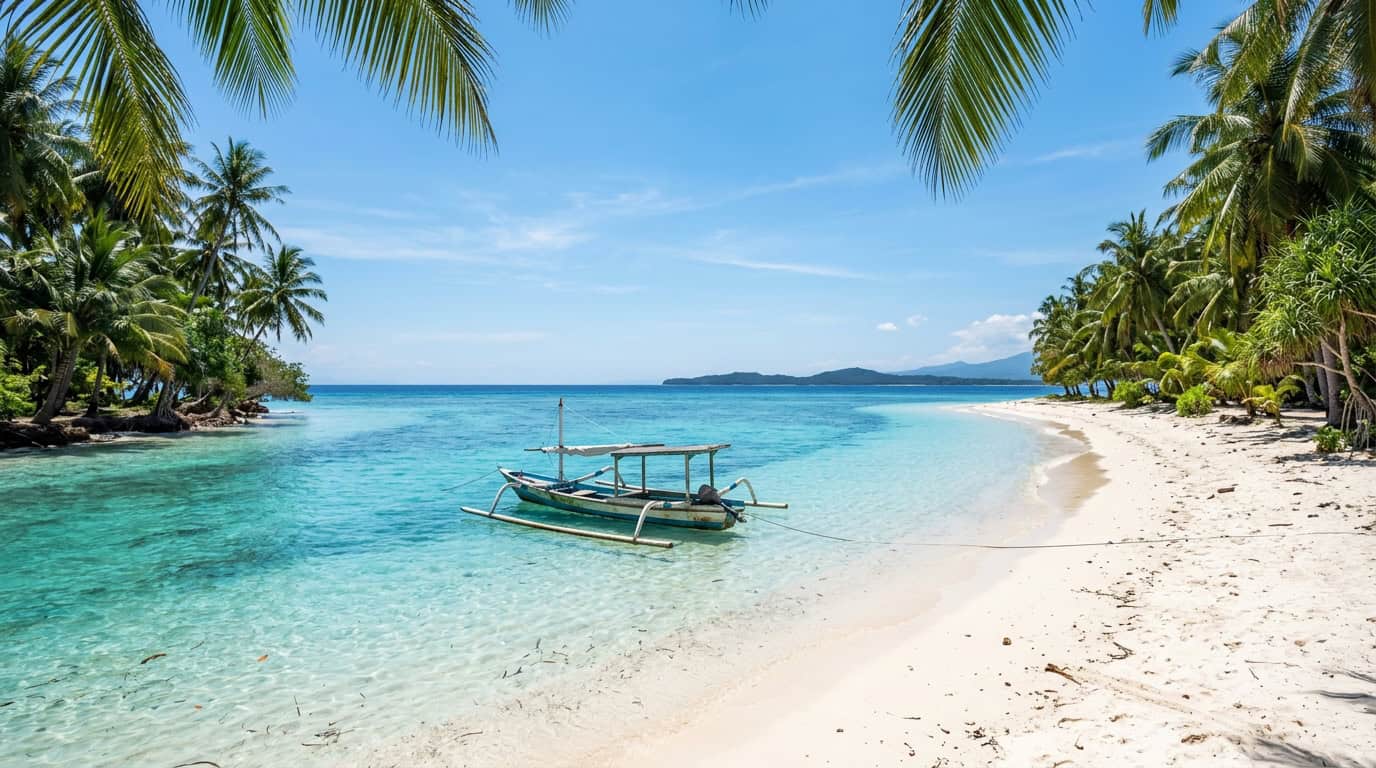
When I first stepped off the fast boat onto the rough coral sand of the eastern shore, the absolute absence of engine noise was initially jarring. Coming straight from the heavy traffic of southern Bali, hearing nothing but gentle waves and bicycle bells felt like stepping onto another planet. However, this profound isolation comes with a very specific set of trade-offs that you need to understand before booking your non-refundable ferry tickets.
Quick Summary
Zero Motorized Vehicles: You will navigate the island exclusively on foot, by bicycle, or by traditional horse-drawn cart. Walking the entire perimeter takes less than two hours.
Cash is King: ATMs are extremely rare, frequently out of cash, or disabled by power outages. Bring a thick stack of Indonesian Rupiah (IDR) from the mainland.
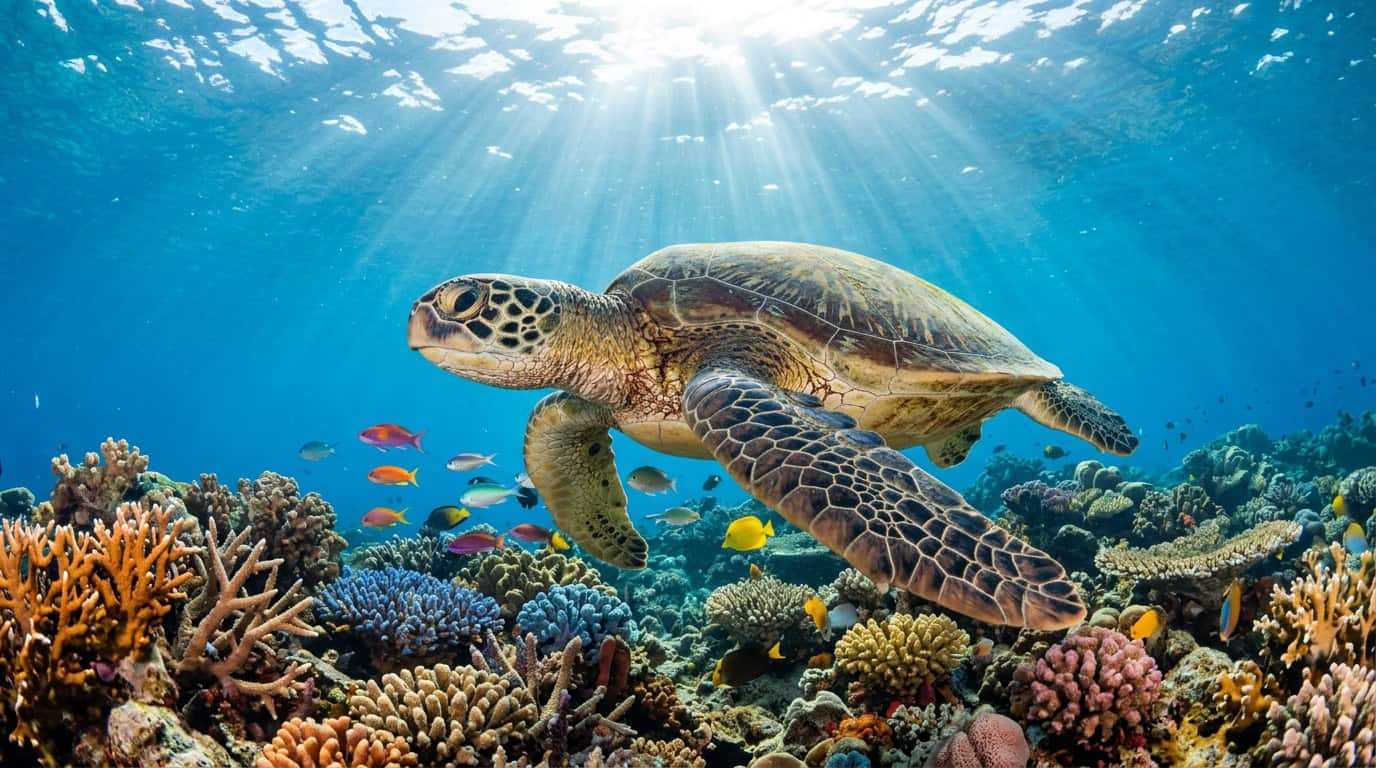
World-Class Marine Life: The island is surrounded by accessible reefs, offering almost guaranteed sea turtle sightings just meters from the shore.
Expect Salty Showers: Freshwater is scarce. Most accommodations, including higher-end resorts, use slightly desalinated or saltwater for their showers and bathroom taps.
Pitch-Black Nights: The island shuts down by 10:00 PM, and there is no public street lighting. A proper headlamp is mandatory gear.
The Direct Answer: Is Gili Meno Right for You?
If you want a straightforward answer on whether you should commit to visiting this specific island: go to Gili Meno only if your primary goals are reading a paperback in absolute silence, going to sleep by 9:30 PM, and spending multiple hours a day floating over shallow coral reefs. It is the ultimate destination for severe decompression and slow travel.
You should completely skip Gili Meno if you need reliable high-speed internet to work remotely, if you desire a variety of late-night dining options, or if you are a solo traveler hoping to socialize over cocktails. The Wi-Fi here is universally sluggish, the food options are limited (and noticeably more expensive than the mainland), and the nightlife simply does not exist. Furthermore, if you demand pristine luxury infrastructure—like long, hot freshwater showers and paved walking paths—you will likely find the rustic, sandy reality of this island highly frustrating.
The Vibe: Understanding the Gili Island Hierarchy
Before diving into the logistics of reaching the island, it helps to understand exactly where Gili Meno fits into the local archipelago. Travelers often make the mistake of assuming the three Gili islands are interchangeable. They are entirely distinct ecosystems.
Gili Trawangan (Gili T) is the largest and loudest. It is globally recognized for its massive beach clubs, all-night parties, and heavy backpacker presence.
Gili Air is the comfortable middle ground. It features a great balance of boutique cafes, yoga studios, and relaxed beach bars. It has a strong community feel without the chaotic energy of Gili T.
Gili Meno is the outlier. It is aggressively quiet. Development here is heavily restricted, and large portions of the island remain totally untouched. Often dubbed the “honeymoon island,” it caters almost exclusively to couples, dedicated scuba divers, and introverts seeking a total digital detox.
Getting There: boats, Routes, and Traps
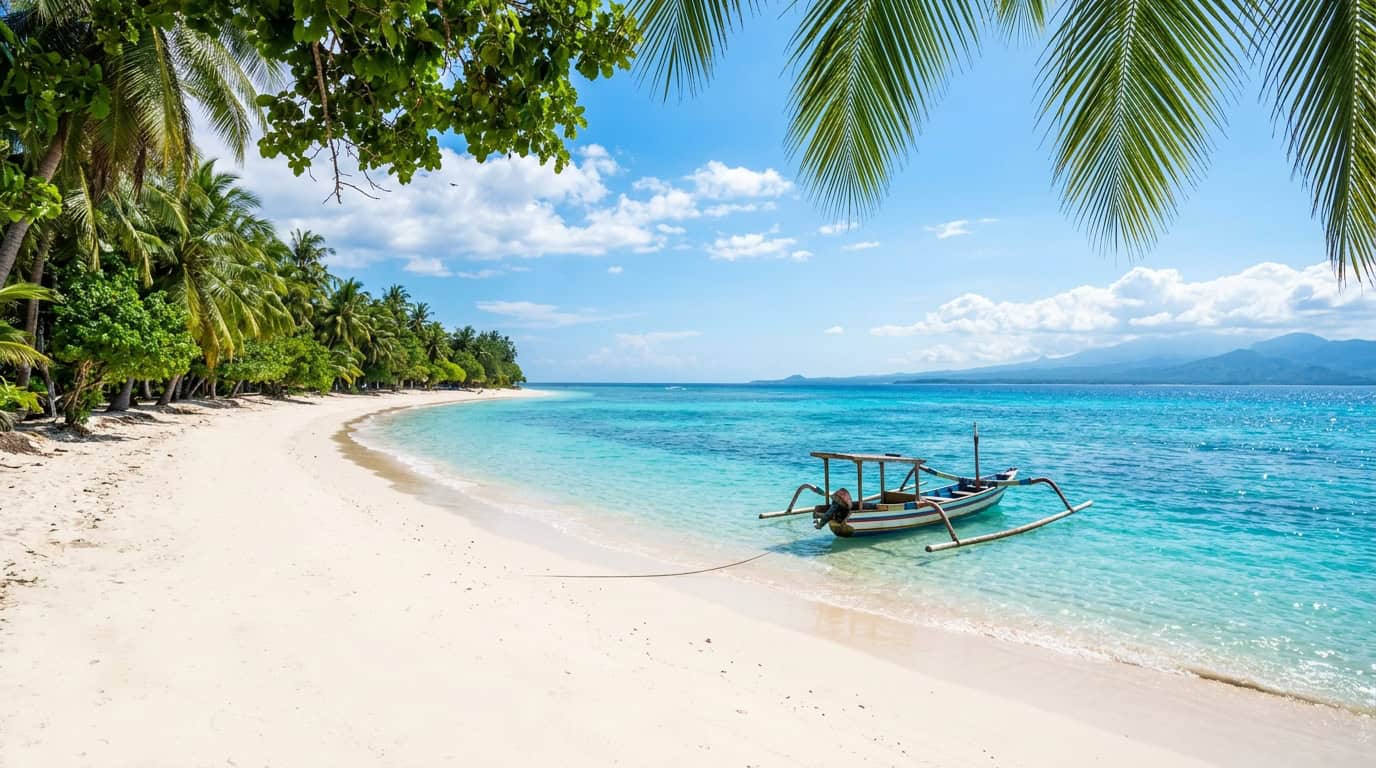
Reaching Gili Meno requires specific logistical planning. Because it lacks an airport and a major deep-water harbor, every journey involves a boat transfer. The process can be confusing, and local ticket vendors are notorious for selling “direct” tickets that are anything but.
Traveling from Bali
Most international travelers originate from Bali, departing from ports like Padang Bai, Sanur, or Serangan. Fast boats operated by reputable companies like BlueWater Express or EkaJaya take roughly 1.5 to 2.5 hours, depending on sea conditions.
The “Direct Boat” Trap: Do not pay a premium for vendors advertising a “direct” fast boat from Bali to Gili Meno. Large fast boats almost never dock at Meno due to its shallow harbor. Instead, they will drop you at Gili Trawangan or Gili Air, and you will be responsible for catching a smaller local transfer boat for the final leg. Book your ticket to Gili Trawangan, and arrange the final 15-minute hop yourself.
When I booked a cheaper public ferry from Padang Bai thinking I would save $15, I learned a hard lesson. The five-hour ride in choppy waters on a sweltering boat was miserable. Spend the $30 to $40 for the reputable fast boats, and take seasickness medication an hour before departure. The Lombok Strait is famously rough.
Traveling from Lombok (Bangsal Harbor)
If you are already exploring Lombok, reaching Gili Meno is cheap and fast. Head to Bangsal Harbor in North Lombok. You have two main options:
Ignore the aggressive street touts who will intercept your taxi blocks before the harbor. Walk directly to the official concrete ticket building on the water’s edge.
Island Hopping from Gili Trawangan or Gili Air
Transferring between the islands is highly structured. Public island-hopper boats run daily (usually between 9:30 AM and 4:00 PM) for roughly 40,000 IDR and take just 15 minutes. If you miss the public schedule, you can hire a private local boat for around 400,000 IDR. Chartering a private boat is actually a massive advantage—you can instruct the captain to drop you on the exact side of Gili Meno where your hotel is located, saving you a long, sweaty walk with your luggage through deep sand.
Navigating the Island (And the Ethical Transport Dilemma)
Upon arriving at the harbor, the defining feature of Gili Meno becomes immediately obvious. There are no cars, no scooters, and no engine fumes. The only modes of transport are your feet, a rented bicycle, or a cidomo (a traditional horse-drawn carriage).
Walking and Cycling
The island is remarkably compact. A casual stroll along the coastal path around the entire perimeter takes roughly 90 minutes to two hours. Bicycles are available for rent at most hotels for approximately 50,000 to 100,000 IDR ($3.50 – $7.00) per day.
However, be prepared for frustration if you rent a bike. The coastal tracks frequently transition into deep, soft sand, forcing you to dismount and push your bicycle in the heat. Bikes are best used on the slightly firmer dirt paths cutting through the center of the island.
The Horse Cart Controversy
If you arrive with heavy rolling suitcases, locals will immediately offer you a ride in a cidomo to your hotel. This presents an ethical dilemma for many travelers.
The working horses on the Gili Islands are subjected to harsh conditions, forced to haul heavy tourist luggage and construction materials under extreme heat. While local organizations like “Horses of Gili” have made great strides in ensuring the animals receive proper water, veterinary care, and mandatory rest rotations, the practice still makes many animal welfare advocates uncomfortable.
My advice: Pack light. Use a travel backpack instead of a rolling suitcase, and simply walk the 15 to 20 minutes to your accommodation. If you physically cannot carry your luggage, utilizing a cidomo (starting around 150,000 IDR) supports the local families who rely on this traditional transport, but be aware of the heavy physical toll it takes on the animals.
Where to Stay: Accommodations and the Saltwater Reality
Despite the lack of major infrastructure, the island caters to various price points. Keep in mind that “oceanfront” here usually means stepping directly from your patio onto the sand. The western coast hosts the luxury resorts (ideal for sunset views over Bali’s Mount Agung), while the northern and eastern sectors offer more budget-friendly options.
Luxury & High-End
BASK Gili Meno: The premier luxury option on the island. It features 83 high-end villas, a massive 35-meter infinity pool, and a highly polished beach club atmosphere. It sits directly in front of the famous underwater statues.
AVIA Villa Resort: Offering elegant, rustic-chic beachfront bungalows with private plunge pools and reliable air-conditioning.
Mid-Range & Comfort
Seri Resort Gili Meno: A highly recommended 4-star property situated on the white sand beach. It features excellent ocean views, an outdoor pool, and houses the Bamboo Restaurant.
Les Villas Ottalia: Focused heavily on privacy, this property features individual villas with personal pools set inland among lush tropical gardens.
Budget & Backpacker
Le Pirate Beach Club: Famous for its highly photogenic, minimalist white-and-blue beach huts. It is affordable, serene, and hosts nightly beachside bonfires.
Meno Dream Resort: Located in the northern sector, offering excellent value with a beautiful pool, clean rooms, and a substantial included breakfast.
The Saltwater Shower Caveat
This is a critical detail that catches many travelers off guard: unless you are paying top dollar at a resort that has invested heavily in private reverse-osmosis desalination technology, expect your shower and bathroom sink water to be salty.
The island has virtually no natural freshwater reserves. Bathing in slightly desalinated or straight saltwater leaves your skin feeling sticky and makes washing thick hair incredibly difficult. Treat it as part of the rugged island experience, but know exactly what you are signing up for.
Top Activities: Marine Life and Slow Living
Gili Meno is not a destination for heavy itineraries. Your daily schedule will naturally revolve around the tides and the position of the sun.
1. Snorkeling “The Nest” (Jason deCaires Taylor Statues)
Located just a five-minute swim off the northwest coast, “The Nest” features 48 human statues arranged in a circle on the ocean floor. Created by ecological sculptor Jason deCaires Taylor, the installation serves as an artificial reef to promote coral regeneration.
Strategic Advice: Do not book a mid-day snorkeling tour. By 10:00 AM, the site is mobbed by dozens of large tour boats from Gili Trawangan, creating a chaotic soup of flailing snorkelers. Because you are staying on Gili Meno, simply rent a mask and fins, wake up at 7:00 AM, and swim out directly from the beach in front of the BASK resort. You will have the eerie, beautiful statues entirely to yourself.
2. Turtle Point
True to its name, the eastern coast of the island is heavily populated by Green and Hawksbill sea turtles grazing on shallow seagrass beds. The water here is calm and perfectly suited for beginner snorkelers and children. Simply wade in, float quietly, and wait. Do not chase or touch the turtles, as this causes them severe stress and disrupts their feeding patterns.
3. The Saltwater Lake and Inland Walk
The western interior of the island features a large, natural saltwater lake surrounded by a dense mangrove forest. It is an interesting geographical anomaly and a haven for bird watching, particularly herons and kingfishers.
However, it comes with a massive downside. The wooden boardwalk meant for tourists is in a state of severe disrepair, making walking treacherous. More importantly, the stagnant water acts as an aggressive breeding ground for mosquitoes. If you decide to venture inland to see the lake, douse yourself in heavy-duty DEET, especially near dawn or dusk.
4. The Turtle Sanctuary Dilemma
On the southern beach, you will find a small, grassroots turtle hatchery featuring plastic pools filled with baby sea turtles. It operates on a donation basis. While it is marketed as a conservation effort to protect eggs from predators, many marine biologists caution against visiting.
Allowing tourists to handle the hatchlings for photos can interfere with the animals’ natural imprinting process, which they rely on to navigate the oceans. It is a complex issue, but observing adult turtles naturally on the reef is always the more ethical choice.
Dining: Managing Expectations and Budgets
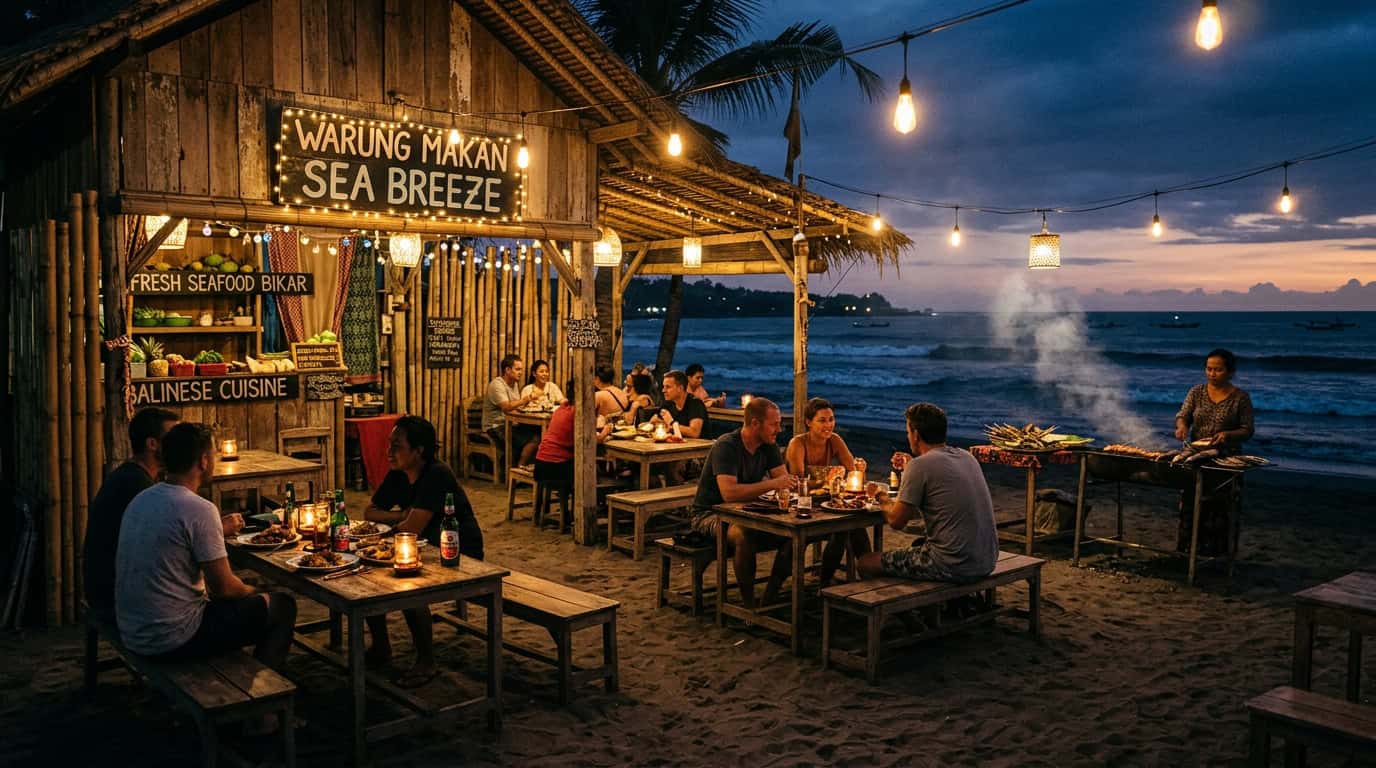
Food on Gili Meno is generally excellent, heavily focused on fresh seafood and traditional Indonesian staples. However, because every single ingredient (from rice to cooking gas to beer) must be transported by small boats from the mainland, prices are noticeably higher here than in Bali or Lombok. Prepare for what many travelers refer to as “European prices” at the mid-range and luxury establishments.
Ya Ya Warung: A fantastic, laid-back beachfront establishment serving classic local fare like nasi goreng (fried rice) and incredibly fresh grilled squid directly on the sand.
MAHAMAYA: Described as a premier location for an intimate, romantic dinner. Located on the western coast, it offers upscale international cuisine perfectly timed for the sunset.
Easy Warung & Bar: A small, highly reliable beachfront spot that compensates for the lack of dining options in the island’s quieter northern sector.
A note on nightlife: There is none. Restaurants and local bars begin winding down by 9:00 PM, and the island is practically asleep by 10:00 PM. If you want a late-night cocktail, you are on the wrong island.
Who Should Visit Gili Meno (And Who Should Not)
Making the right decision regarding this island will dictate the success of your entire Indonesian trip.
This is ideal for:
Couples seeking severe isolation: It is called the honeymoon island for a reason. With zero nightlife and minimal crowds, you are left with stargazing, reading, and genuine connection.
Dedicated marine enthusiasts: The proximity to elite shore-diving and shallow reefs means you can log three incredible turtle encounters a day and be back on the beach in minutes.
Burnt-out professionals: If your nervous system requires a hard reset, the absolute lack of traffic noise, commercial advertising, and digital connectivity will force you to unplug.
You might want to skip this if:
You travel solo to meet people: The communal hostel atmosphere simply does not exist here. Gathering spots are sparse, and travelers stick to themselves.
You require digital connectivity: Do not expect to attend Zoom meetings or upload massive video files. The Wi-Fi is notoriously slow and drops out completely during frequent island-wide power fluctuations.
You have limited mobility: Navigating unpaved dirt paths, avoiding exposed tree roots in the dark, and pushing through deep, soft sand can be dangerous or physically impossible for those with mobility issues.
Cost Breakdown and Value
Traveling here provides reasonable value, provided you manage your expectations regarding the premium placed on isolation. Here is a realistic daily budget breakdown (per person) for a mid-range traveler in 2024:
Accommodation (split with a partner): $30 – $60 USD per night.
Food & Drink: $25 – $45 USD per day (assuming local warungs for lunch and a mid-range beachfront dinner).
Bicycle Rental: $3.50 – $7.00 USD per day.
Snorkel Gear Rental (Mask/Fins): $3.00 – $5.00 USD per day.
-
-
- Total Estimated Daily Cost: $61 – $117 USD.
-
Compared to trendy areas in Bali like Canggu or Uluwatu, your accommodation dollar stretches further here regarding direct beach access, but you will pay a premium for imported goods like wine or spirits.
Common Mistakes to Avoid
Mistake 1: Relying on credit cards and digital payments.
The island operates on a strict cash economy. The two or three ATMs on the island run out of money frequently or go completely offline when the local power grid fails. While top-tier resorts will accept credit cards (often with a 3% to 5% surcharge), local warungs and boat operators will not. Bring a thick stack of IDR from the mainland to cover your entire stay.
Mistake 2: Walking around at night without a headlamp.
Outside of the immediate glow of the luxury resort perimeters, there is absolutely no public lighting. The center of the island gets pitch black. The dirt paths are riddled with exposed tree roots, massive puddles (if it rained), and deep sandy ruts. Relying on your phone battery is a massive gamble. Bring a proper, high-lumen headlamp.
Mistake 3: Drinking the tap water.
Tap water here is strictly non-drinkable and will cause severe gastrointestinal distress. You must buy filtered water. Better yet, bring a heavy-duty filtration bottle (like a Grayl or LifeStraw) to safely filter the local water provided in hotel coolers and drastically reduce the island’s single-use plastic waste problem.
Frequently Asked Questions
When is the best time to visit Gili Meno?
The ideal window is during the dry season, from May to October, which offers sunny skies, low humidity, and flat, calm seas perfect for snorkeling. July and August are the peak tourist months. If you visit during the rainy season (November to April), expect cheaper accommodation rates, but be prepared for heavy, intense afternoon downpours and occasionally rough seas that can disrupt boat transfers.
Is there good Wi-Fi on the island?
No. The Wi-Fi provided by most hotels is incredibly slow and highly unstable due to weather patterns and power fluctuations. If baseline connectivity is crucial for your peace of mind, purchase a local Telkomsel SIM card or an eSIM like Airalo before you arrive to utilize the cellular data network, which is generally more reliable than hotel routers.
Are there dangerous sharks in the water?
While sharks do inhabit the waters around the Gili Islands—primarily blacktip and whitetip reef sharks—they are generally small, docile, and highly skittish around humans. You can occasionally spot them cruising the deeper slopes near the reef drop-offs. They pose no threat to snorkelers or divers who respect their space.
Can you easily walk between the beaches?
Yes, the entire island is highly walkable. Moving from the sunrise-facing eastern beach to the sunset-facing western beach takes only 15 to 20 minutes by cutting straight across the island’s interior paths.
Conclusion
Gili Meno is not trying to be everything to everyone. By actively resisting the rapid, concrete-heavy commercialization that swallowed Bali and Gili Trawangan, it offers a rare, stripped-back travel experience. Yes, your shower water will be salty, your internet will constantly buffer, and you will inevitably curse the deep sand while dragging your luggage. But in exchange for these minor frictions, you receive uninterrupted sunrises, empty white-sand beaches, and the profound privilege of swimming alongside ancient sea turtles in total silence. Pack light, pull out plenty of cash before you arrive, and prepare to successfully do absolutely nothing at all.
Related Internal Guides