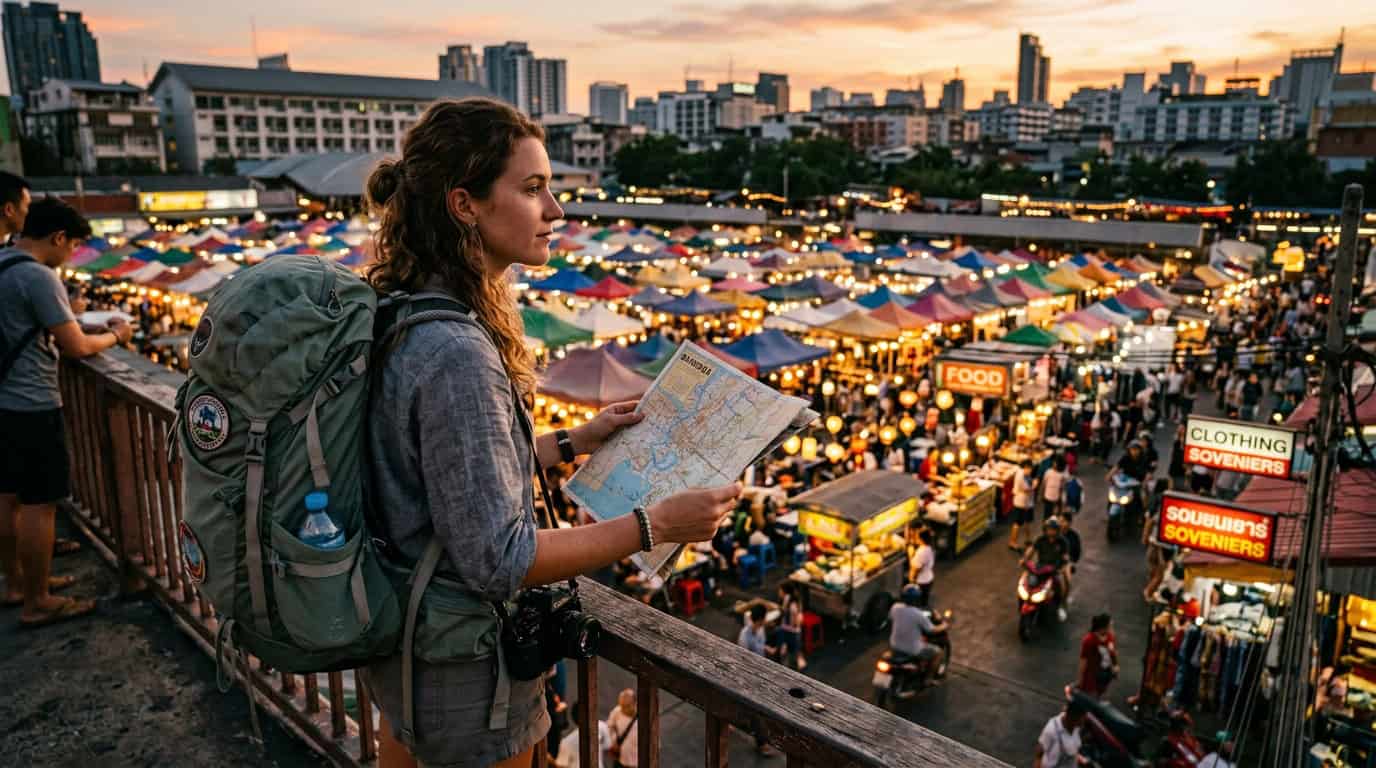
Navigating the current travel advisory Thailand landscape requires more than just checking a box on a government website; it demands a nuanced understanding of shifting regional security and the rise of sophisticated tourist-targeted scams. I have spent years traversing the humidity-soaked streets of Bangkok and the mist-covered mountains of the north, and I can tell you that the difference between an incredible adventure and a major logistical headache often comes down to how well you can distinguish between manageable risk and genuine danger. In 2026, the safety paradigm has shifted. While millions of visitors enjoy Thailand’s world-famous hospitality annually, recent geopolitical friction along the borders and an increase in predatory tourism schemes mean that your preparation phase is just as important as your flight itinerary.
Quick Summary
border Volatility: Avoid all areas within 20km of the Thai-Cambodian border due to active military skirmishes and unexploded ordnance hazards.
Southern Insurgency: Steer clear of the deep south—specifically Yala, Pattani, Narathiwat, and parts of Songkhla—due to ongoing civil unrest and violence.
Scam Awareness: Reject any tour operator that offers suspiciously low prices; these are often fronts for high-pressure shopping scams.
Financial Hygiene: Only use ATMs located inside bank branches; avoid standalone machines on dark streets to prevent card skimming.
Insurance Reality: Standard travel insurance often excludes incidents arising from ‘civil unrest’ or government-labeled ‘no-go’ zones; check your policy fine print.
Digital Security: Keep your real-time location private on social media to avoid becoming a target for local opportunists.
The Direct Answer: Where You Should and Should Not Go
If you want the most direct answer to the question of safety, here it is: The vast majority of Thailand, including Bangkok, Chiang Mai, Phuket, and the Gulf islands, remains a safe and welcoming destination for international travelers. You do not need to cancel your trip to these hubs. However, you must maintain a strict ‘no-go’ policy regarding the extreme southern provinces and the land border zones with Cambodia. If you find yourself in a region where tensions are rising, your best defense is to maintain a low profile, keep your embassy’s contact details saved offline, and avoid any transit that requires crossing these sensitive border areas via land. Air travel remains the only recommended method for moving between these countries.
The Reality of Border Conflicts in 2026
When I first started hearing reports about the Thai-Cambodian border, it sounded like a distant, abstract geopolitical issue. However, the reality on the ground is that specific stretches of territory have become de facto no-go zones. With reports of localized artillery fire and logistical disruption, this is not the place for an ‘off-the-beaten-path’ exploration. The risk is not just about being caught in a cross-border dispute between national militaries; it is about infrastructure collapse. When a region becomes a flashpoint for conflict, local police services, hospitals, and transport links are often diverted toward military support or simply cease to function for civilians. If you have a medical emergency or lose your passport in these border provinces, you are largely on your own. I cannot stress this enough: respect the 20 km buffer zone. The perceived adventure of crossing a remote land border simply isn’t worth the risk of being caught in an escalating situation where international assistance is effectively zero.
Why Land Borders Are Currently a Liability
Beyond the risk of violence, the current administrative status of these borders makes them a nightmare for the unprepared traveler. Land crossings between Thailand and Cambodia are frequently suspended without warning. I have spoken with travelers who arrived at a land border only to be turned back after a six-hour journey, forcing them to find expensive, last-minute accommodation or transit in a region where they didn’t want to be in the first place. Relying on land transit in these zones is a gamble that rarely pays off. If you are planning to transit between nations, stick to the international airports. Yes, it costs more, but you are paying for the certainty that your flight will likely operate, and you are avoiding the volatile buffer zones entirely.
Navigating the ‘Cheap Tour’ Trap
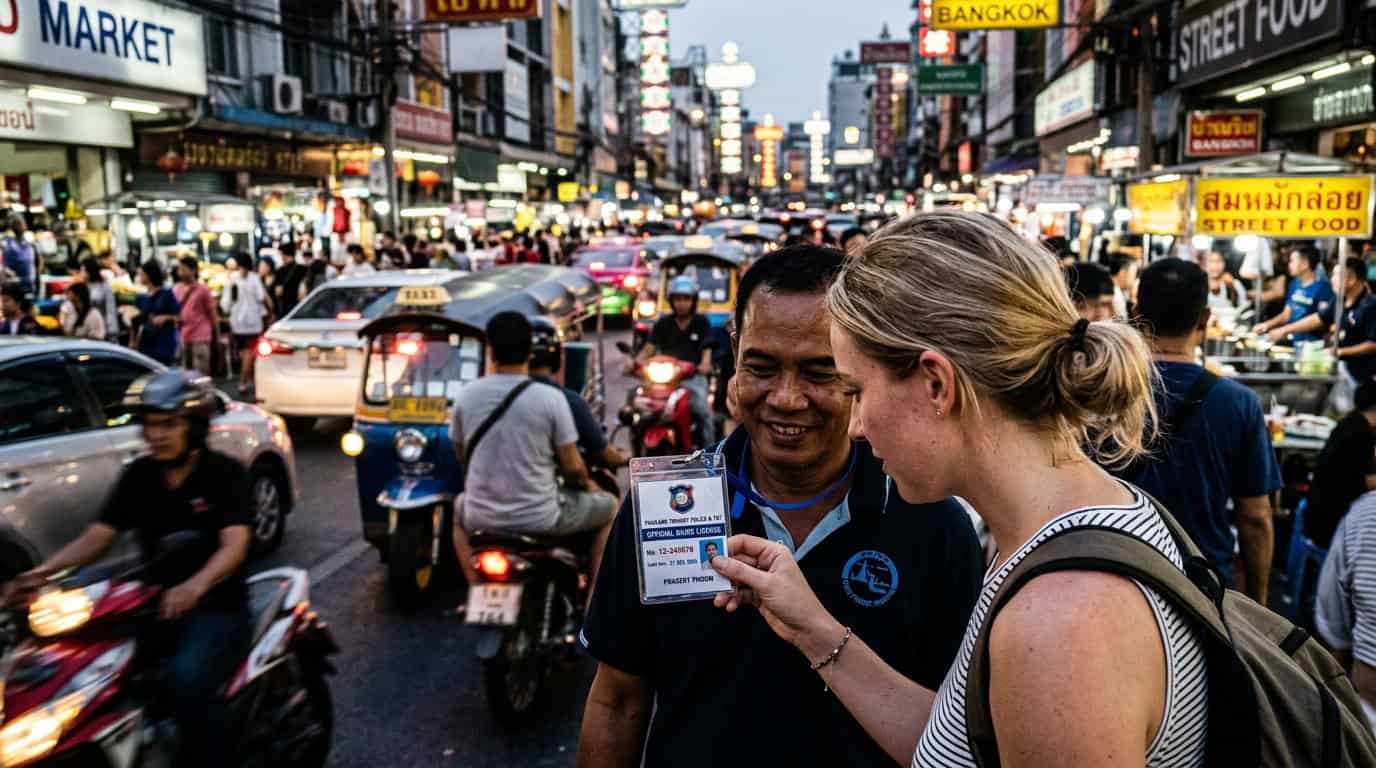
One of the most persistent issues I have seen in my travels is the lure of suspiciously low-cost tours. These aren’t just minor inconveniences; they are calculated financial traps that can consume your entire day and drain your bank account. The business model is simple: the operator loses money on the ticket price, intending to make that back—plus a significant profit—by forcing you into high-pressure shopping environments where goods are wildly overpriced. I recall standing in a lobby in Bangkok last year, watching a group of tourists being essentially held in a jewelry store for three hours by a guide who refused to let them back on the bus until they made a purchase. The guide lacked a license and held no accountability to any regulatory body. Always demand to see the official Tourism Authority of Thailand (TAT) license of any guide you hire. If they get defensive or claim the document is ‘in the car,’ walk away. It is not worth the stress or the loss of your precious vacation time.
The Value of Licensed Operators
Licensed operators are bound by strict Thai laws that include background checks, training, and accountability. When you use a licensed guide, you are essentially purchasing a layer of legal protection. If something goes wrong, you have a paper trail and a regulatory body to report to. Unlicensed operators function in a legal grey area that favors the scammer at every turn. When I book a city tour, I check the operator’s website for an official license number—it usually looks like a registration certificate posted clearly in their office or on their booking portal. If you cannot find this, look elsewhere. Spending an extra $50 on a reputable, vetted tour company is an insurance policy that pays for itself the moment you realize you aren’t being forced to visit a commission-based snake farm or silk factory.
The Southern Provinces: A Persistent Risk
Travelers often ask me about the southernmost provinces: Yala, Pattani, Narathiwat, and parts of Songkhla. My answer is always the same: keep these off your itinerary. These areas have dealt with a long-running insurgency that occasionally manifests in violent acts against infrastructure and transport. While the rest of Thailand is incredibly safe, these specific areas are subject to heightened security protocols. I remember talking to an expat who thought they could bypass the warnings by driving through the interior. They were stopped at three separate military checkpoints and eventually turned back because they simply did not have the right authorization to be in those districts. It creates unnecessary anxiety for you and complicates the lives of local residents who are already living in a delicate security situation. Keep your travel to the northern and central regions where tourist infrastructure is designed to keep you safe and informed.
Financial Security and Digital Hygiene
Scammers are not just in the tour offices; they are at the ATM and the point of sale. I have developed a rigid protocol for my finances while abroad. I only use ATMs inside major bank branches during business hours. A standalone ATM on a dark street is a massive risk for card skimming devices. I also use a credit card that offers robust travel protection and international fraud monitoring. Another trick I learned the hard way: always cover the keypad with your hand when entering your PIN. It sounds paranoid, but in high-traffic tourist areas, there are people looking for those four digits. Furthermore, never let a waiter or shop clerk take your card out of your sight. If they need to process a payment, walk with them to the machine. A few seconds of awkwardness is better than having your account drained in a country where you don’t speak the language well enough to handle a banking dispute.
Protecting Your Digital Footprint
In 2026, your digital security is as important as your physical security. I see too many travelers posting their real-time location while in sensitive areas. Posting your location while you are sitting in a cafe makes you a target for opportunistic thieves who know exactly where you are. I wait until I am back in my hotel or at the airport to post my photos. You don’t need to alert the world to your exact whereabouts in a region where local scams are targeting vulnerable tourists. Use a VPN if you are accessing banking apps on public Wi-Fi, and ensure your two-factor authentication is active before you leave home.
Who Should (And Who Should Not) Travel Now
This is ideal for:
Experienced Travelers: Those who understand the importance of situational awareness, have independent travel insurance, and know how to research local conditions before arriving.
Luxury Travelers: Those using reputable, high-end travel agencies that handle all logistical security and transport in private, vetted vehicles.
Cultural Enthusiasts: Travelers planning to stick to the well-trodden paths of Bangkok, the northern mountains, and established beach resorts, which remain distinct from the conflict zones.
You might want to skip this if:
You rely on ‘impulse’ travel: If you prefer to show up in a country with no plan and just ‘see where the road takes you,’ the current climate in border regions makes that risky. You need a structured plan in 2026.
You have limited medical/security coverage: If your insurance doesn’t cover civil unrest or medevac services, you are taking a massive gamble. Many policies will void coverage if you enter an area under a ‘do not travel’ advisory.
You are easily coerced: If you have trouble saying ‘no’ to high-pressure sales tactics, the current scam environment in some tourist zones will be a nightmare for you. The confidence of scammers is at an all-time high.
Cost Analysis: Cheap vs. Quality
| Feature | Cheap/Unlicensed Tour | Reputable Licensed Tour |
|---|---|---|
| Upfront Cost | $20 – $50 | $150 – $300 |
| Hidden Costs | High (Forced shopping) | Zero (Transparent pricing) |
| Legal Protection | None | Full (Regulatory oversight) |
| Safety Level | Low | High |
As the table shows, the ‘cheap’ tour often ends up being more expensive. If you are forced to buy a $200 souvenir you don’t want, your $30 tour just became a $230 disaster. Always factor in the cost of your peace of mind. A licensed operator provides a buffer against the ‘zero-dollar’ tourism schemes that plague parts of the industry. When you pay for quality, you are paying for the logistics of a safe, efficient, and legitimate experience.
Common Mistakes to Avoid
One of the most common mistakes I see is travelers failing to register their trip with their home country’s embassy program, such as the U.S. Smart Traveler Enrollment Program (STEP) or the UK’s equivalent. Many travelers think this is only for extreme situations, but it is actually your lifeline for receiving alerts about protests, weather events, or transit disruptions. I make it a point to update my destination information every time I enter a new country. It takes five minutes and can save you hours of uncertainty.
Another major mistake is ignoring local news in favor of only following social media. Local news outlets often provide the first warnings about civil unrest or transit delays that haven’t hit international headlines yet. I keep a few local news apps on my phone, even if I have to use a browser translator to read them. Relying solely on social media often gives you a filtered, potentially distorted view of reality. If you see a protest starting, you need the most accurate, ground-level information available, not a curated post from an influencer who might be miles away.
Frequently Asked Questions
1. Is it safe to take local buses near the borders?
No. The current advisory for the zones surrounding the Thai-Cambodian border covers all forms of transit. Even if you are on a public bus, you are still subject to the risks of that region, including the potential for checkpoints or sudden route changes due to conflict. Stick to flying or taking long-distance trains that bypass these troubled districts. If you must travel between countries, use the official, well-guarded international airports rather than land crossings.
2. What should I do if a tour guide pressures me to buy something?
Remain calm and firm. Do not get into a physical altercation. Simply state that you are not interested and want to return to your hotel or the original drop-off point. If they refuse, make it clear you will contact the Tourist Police (1155). This is a magic number in Thailand; the threat of calling them often makes an unlicensed guide back down instantly because they know they are operating illegally and do not want the scrutiny of authorities.
3. How do I verify if a tour operator is legitimate?
Look for the official logo of the Tourism Authority of Thailand (TAT). A legitimate company will have their license number prominently displayed on their website and their business cards. You can cross-reference this number with the official TAT database. If they cannot provide a license number, or if they avoid the question, do not book with them. Legitimacy is the first layer of your security.
4. Is the ‘zero-dollar’ scam common outside of Bangkok?
While it is most prevalent in Bangkok, it has been reported in other major tourist destinations like Pattaya and Phuket. Scammers follow the tourists. Always treat a ‘too-good-to-be-true’ offer with suspicion, regardless of whether you are in a major city or a coastal resort town. Reliability always costs more than a bargain, and your safety is worth the premium.
Conclusion
Thailand remains one of the most rewarding travel destinations on the planet, but the 2026 landscape requires a more discerning approach than it did a decade ago. By staying informed about the official travel advisory Thailand updates, avoiding the designated 20 km border danger zones, and exercising extreme caution with ‘budget’ tour operators, you can enjoy everything the country has to offer safely. My final advice is to prioritize your security over your budget. The extra money you spend on a licensed guide or a direct, reputable transit service is essentially an insurance policy. It allows you to focus on the history, the food, and the culture, rather than worrying about whether your next ‘cheap tour’ is a scam waiting to happen. Travel smart, stay alert, and don’t let the fear of risks keep you from enjoying one of the world’s most incredible travel experiences.