Mastering the Japan cherry Blossom Season
Experiencing the Japan cherry blossom season requires more than just picking a date on a calendar; it demands a strategic, agile approach to travel. Every spring, the country shifts as the Somei-Yoshino trees bloom in a wave of pale pink, but the “cherry blossom front” is a moving target driven by winter temperatures. Based on my multiple trips to Tokyo and Kyoto, I have learned that fixed dates are a fallacy. You must build flexibility into your itinerary.
The Geometry of the Bloom
In 2026, the season officially kicked off on march 16 in Kōchi, but urban centers like Tokyo followed their own tempo. A crucial rule I live by: full bloom occurs seven to ten days after the first flowers open. If you arrive too early, you see brown, brittle buds. Arrive too late, and you are sweeping damp, fallen petals off your shoes. I once arrived in Kyoto four days after peak and found only green leaves remaining. It was a lesson in the fragility of timing.
Where to Find the Best Views
If you want the quintessential experience, you must venture beyond the standard tourist tracks.
Chidorigafuchi Green Way: Watching petals drift onto the water while rowing a boat is worth every yen. However, the competition is brutal. I spent over 70 minutes in line last visit. Arrive at 6:30 AM to beat the primary surge.
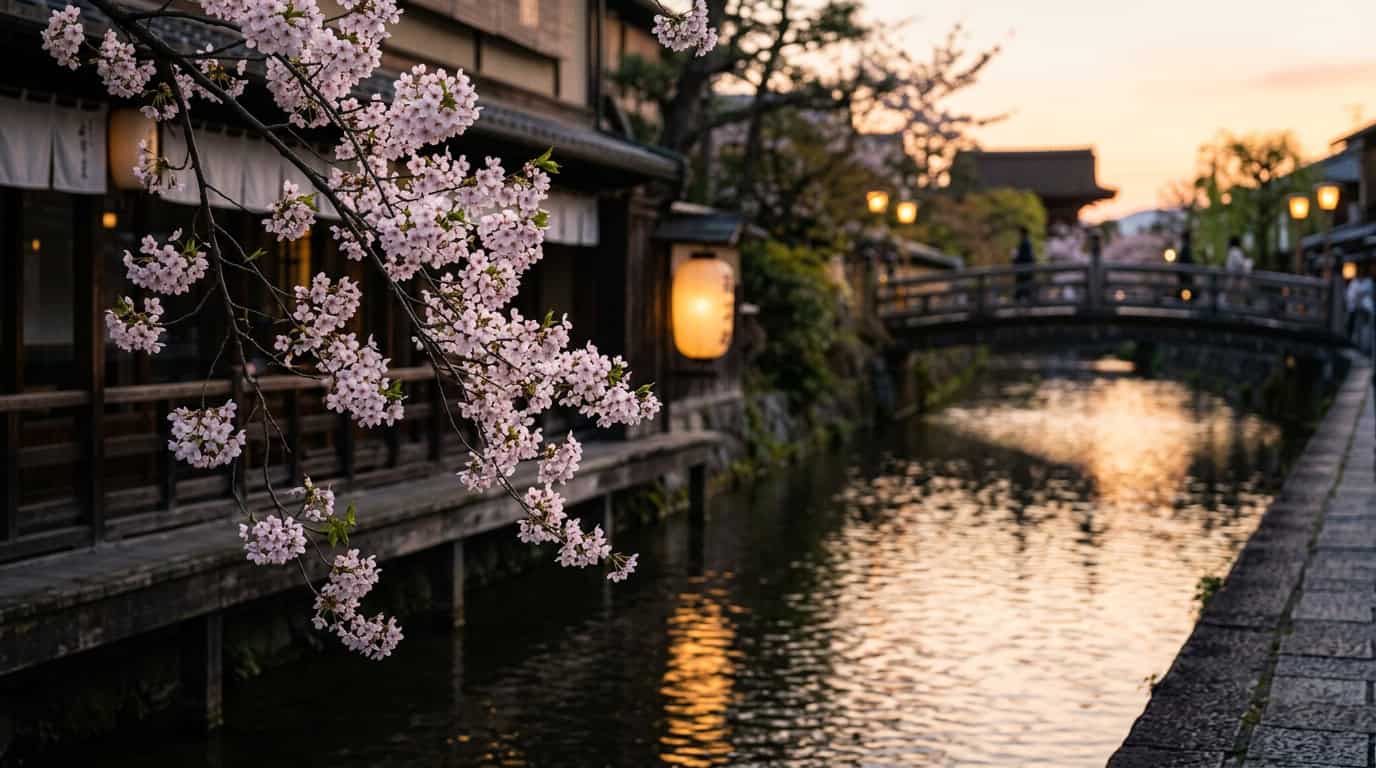
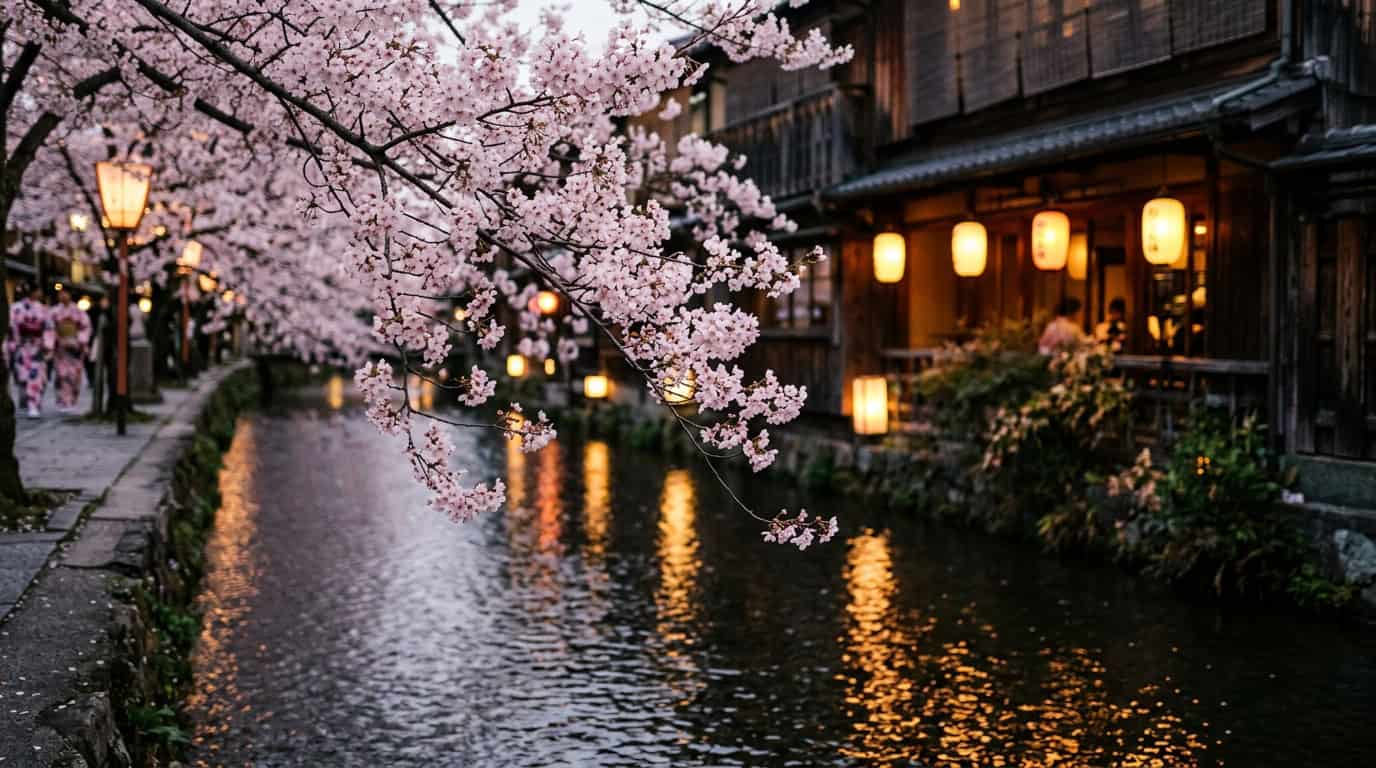
Nakameguro Canal: Famous for evening lantern illuminations. This spot is suffocatingly crowded. If you go, arrive by 5 PM and stay on the periphery.
Rikugien Gardens: Best for yozakura (night viewing) of the weeping cherry trees. The scale here is intimate, which feels rare in a city of millions.
Koganei Park: A more local feel with 1,400 trees of diverse varieties. You will find more families eating bento boxes here than professional photographers.
Common Misconceptions to Avoid
One persistent myth is that the blossoms last for a month. In reality, the peak window is fleeting. A single heavy rainstorm or a gust of wind can strip the trees bare in hours. Another mistake is thinking you can catch every major city at peak bloom simultaneously. Because the warmth moves from the southern islands to the north, you must commit to a geographic base. If you miss the peak in Tokyo, your best bet is moving north toward Sendai or Sapporo, where the season stretches into late April.
Decision Framework: Who Should Go?
This trip is ideal for travelers who value cultural immersion and are willing to navigate immense crowds.
You should go if: You love photography, traditional picnics, and experiencing a major, joyous cultural event.
You might want to skip this if: You require a rigid, non-negotiable schedule or feel overwhelmed by dense crowds. If you struggle with large groups, the chaos of Ueno Park during a Saturday peak will ruin your trip.
Budgeting for the Peak Surge
Planning your budget requires looking at seasonal premiums. During the peak week, a standard hotel room in Shinjuku that usually costs $150 can easily jump to $400.
| Expense Category | Off-Peak (February) | Peak (Late March) |
|---|---|---|
| Hotel (3-star) | $120/night | $350/night |
| Rail Pass | Standard Price | Standard Price |
| Food/Festival | $40/day | $70/day (seasonal goods) |
I recommend prioritizing your spending on central accommodations. Being within walking distance of a major park allows you to see the blossoms at sunrise, which is the only time to get photos without hundreds of people in the background.
Frequently Asked Questions
When is the best time to see the blossoms in Tokyo?
Based on recent data, the window usually spans from late March to the first week of April. While official forecasts predict specific dates for “first bloom,” I have found that visiting between March 25 and March 30 offers the highest probability of success. Always check the Japan Meteorological Corporation updates as your date approaches, but prepare for at least a four-day buffer in your plans.
Is the Japan cherry blossom season worth the high travel costs?
It depends on your travel style. If you love bustling, festive atmospheres, it is absolutely worth the premium. However, if you prefer quiet, contemplative travel, the crowds can be a significant downside. I personally love the energy, but I always plan at least two days in the countryside or a smaller town to reset after the intensity of Tokyo.
How can I avoid the massive crowds during hanami?
Avoid the most famous parks on weekends at all costs. If you must go to Ueno or Nakameguro, visit on a Tuesday or Wednesday morning at 7:00 AM. Many tourists are sleeping, and the locals haven’t started their picnic parties yet. This gives you a two-hour window of relative peace to enjoy the scenery.
Conclusion
The allure of the Japan cherry blossom season lies in its transience. It is a reminder that beauty is fleeting and demands presence. While the logistics can be demanding, the visual reward of pink clouds against historical temples or riverbanks is unparalleled. Keep your plans flexible, prepare for the crowds, and focus on the quiet moments at sunrise. Whether you catch the petals in Tokyo or follow the front north, the experience will stay with you long after the flowers have fallen.