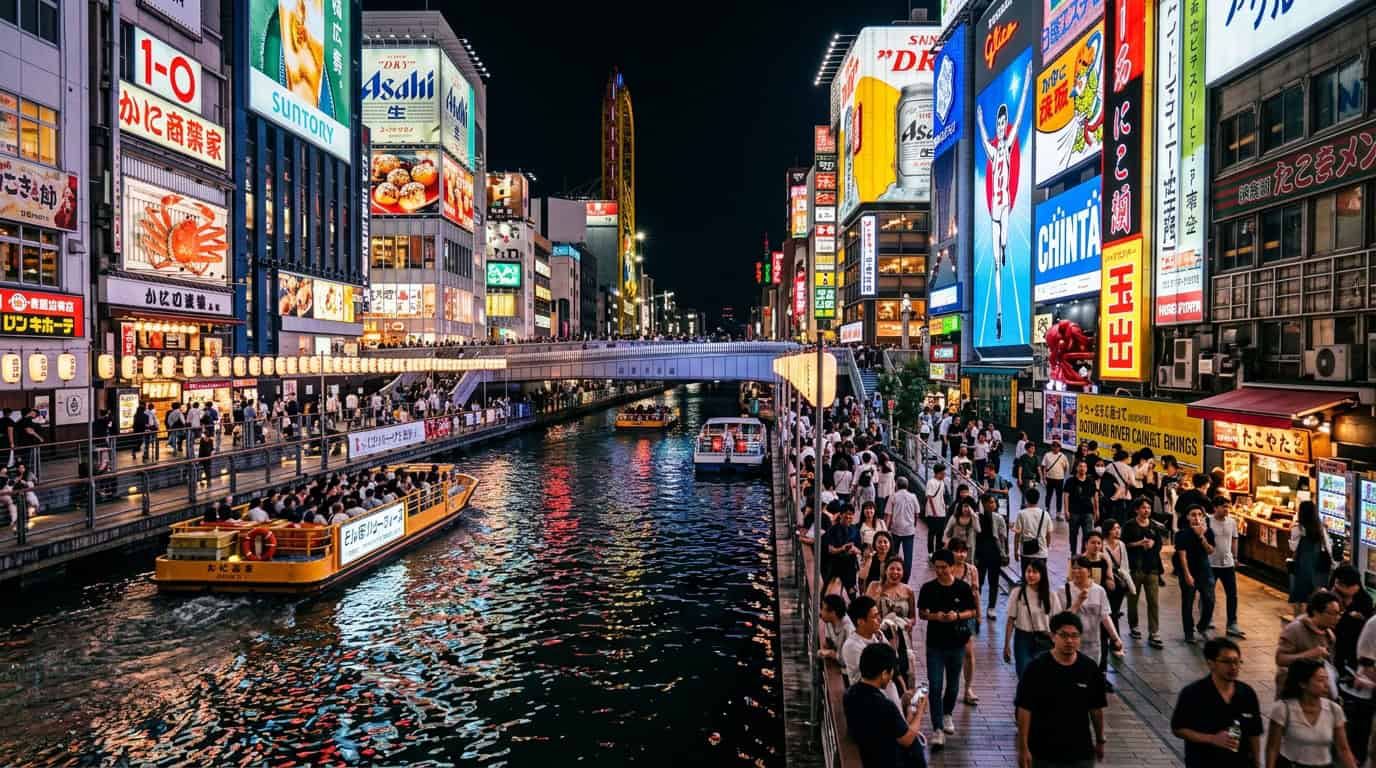
Planning one day in osaka requires a calculated strategy because this sprawling urban center is built for lingering rather than rushing. When I first visited, I tried to tick off every major landmark, only to end the evening exhausted at a train station three districts away from my hotel. I learned quickly that the secret to a successful trip is choosing a logical, linear path through the city’s heart.
The Strategic Approach to Osaka
To make the most of your limited time, you must stop thinking like a tourist who needs to see everything and start thinking like a local who prioritizes atmosphere. Basing yourself in Namba or Shinsaibashi is non-negotiable if you only have 24 hours. These areas serve as the southern anchor for the best nightlife, street food, and transit access, allowing you to walk to your final destination at night rather than relying on the subway system.
Essential Logistics for Your Visit
Do not waste money on a JR Pass if you are only staying within city limits; it is overkill. Instead, use an ICOCA or Suica card. These prepaid cards allow you to tap in and out of subways, buses, and even local convenience stores with zero friction. I recommend picking one up at the airport station immediately upon arrival. Another common mistake is failing to account for the sheer scale of the subway stations. Give yourself a 15-minute buffer for every transfer, especially during the 8:00 am and 6:00 pm rush hours.
Morning: History and Skyline Views
Start your morning at Osaka castle by 8:30 am. Arriving before the gates open at 9:00 am allows you to walk through the expansive park grounds while the air is still crisp and the tour bus crowds are non-existent.
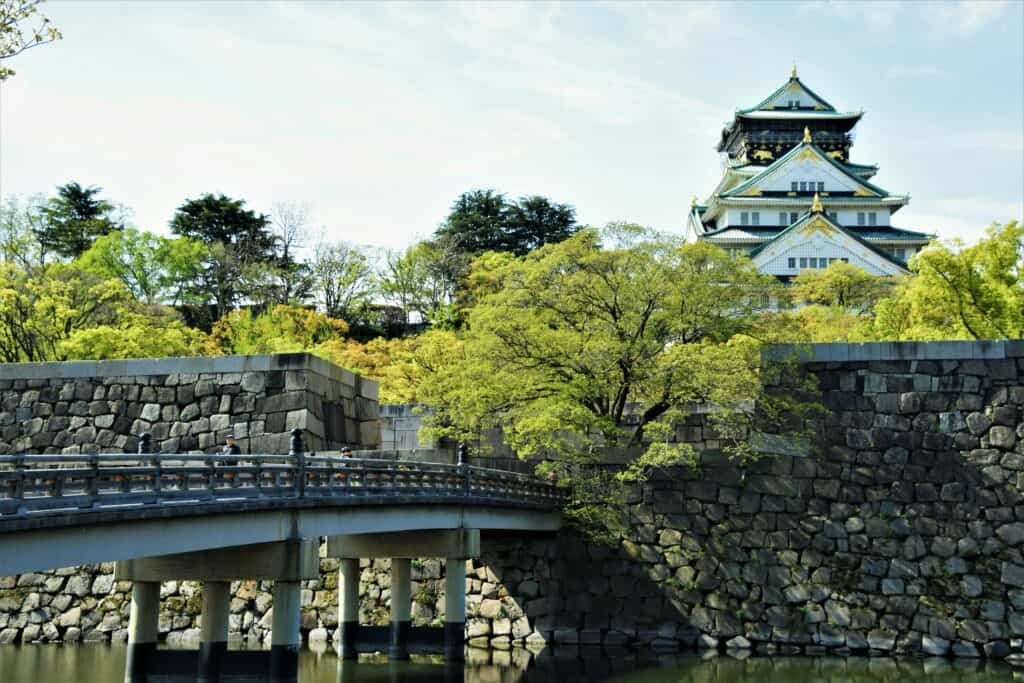
I find the Nishinomaru Garden to be the best spot for photos; it offers a vantage point that frames the castle perfectly against the modern skyline of the city. Limit your museum time inside the castle tower to 30 minutes. It is a modern reconstruction, and the real value of your morning is the architecture and the surrounding moat, not the glass display cases.
Avoiding Common Pitfalls
One mistake I see travelers make repeatedly is attempting to walk from the castle to the temple district. The distance is deceptive, and you will arrive at your next stop tired and sweaty. Take the subway from Tanimachi 4-chome Station to Tennoji Station. You will save 45 minutes of walking, which is better spent enjoying a coffee or a local snack.
Midday: Deep-Fried Culture and Retro Vibes
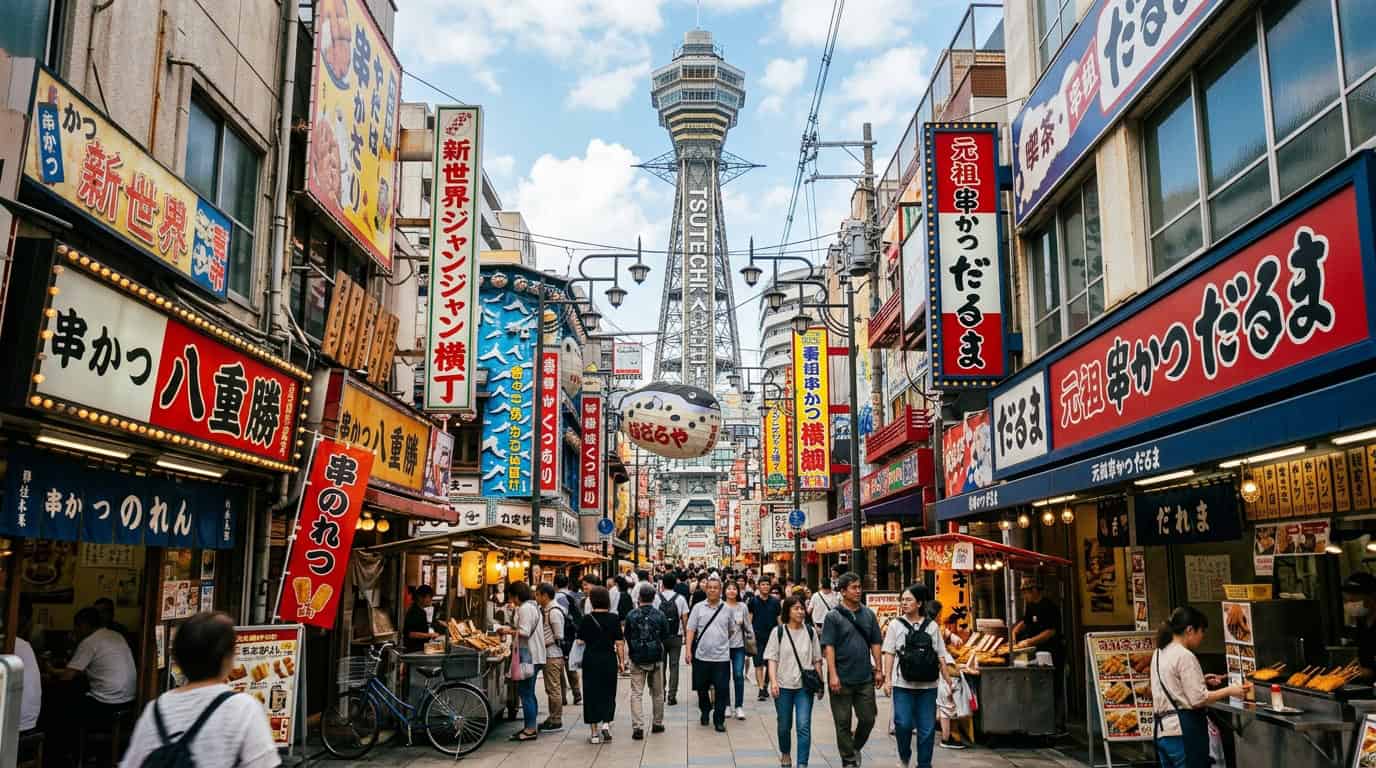
From the temple district, head to Shinsekai. This neighborhood is a vivid, slightly gritty time capsule of the Showa era. It feels like an outdoor museum of mid-century Japanese commercial design. This is the birthplace of kushikatsu, deep-fried skewers that you dip into a communal sauce container. My advice: look for a place with a long line of locals, not tourists. Remember the golden rule of the communal sauce—only dip your skewer once.
Choosing Your Afternoon Path
For the Culture Seeker: Spend more time at Shitennō-ji, one of Japan’s oldest temples, focusing on the Gokuraku-jodo Garden.
For the Pop Culture Fan: Head straight to Denden Town for electronics, gaming, and anime merchandise.
-
-
- For the Fashion Lover: Explore the vintage denim and streetwear shops in America-mura near Sankaku Koen Park.
-
Evening: Neon Lights and Culinary Bliss
As the sun sets, head toward Dotonbori. This is the undeniable energy center of the city. The reflection of the massive Glico Running Man sign and the digital billboards on the canal water is, admittedly, a bit cliché, but it is an essential part of the experience. Grab a box of takoyaki (octopus balls) from a street vendor and find a quiet spot along the canal to watch the boats pass.
For a more refined end to the day, move two blocks south to Hozen-ji Yokocho. It is a narrow, stone-paved alley illuminated by red lanterns that feels completely separated from the noise of the main canal. There is a moss-covered Fudo Myo-o statue here where people pour water for good luck. It is a somber, beautiful moment of stillness in an otherwise high-decibel city.
Who Should Spend One Day in Osaka?
-
-
- This is ideal for: Culinary explorers who want to eat through the city, photographers who love high-contrast neon lighting, and travelers who enjoy transitioning from historical shrines to futuristic urban landscapes.
- You might want to skip this if: You prefer quiet, slow-paced rural settings, or if you feel overwhelmed by large, dense crowds of people.
-
Frequently Asked Questions
Is one day enough to see everything in Osaka?
Honestly, no. You will barely scratch the surface of a city with this much density. However, if you focus on the central corridor—from the Castle to Namba—you can capture the essence of the city. Do not try to force five districts into one day; you will just end up stuck in transit rather than experiencing the actual streets.
Do I need to book restaurants in advance?
For high-end places like specialized crab restaurants or exclusive okonomiyaki spots, yes, book at least 24 hours in advance. For the vast majority of street-level vendors, pubs, and casual dining rooms in Shinsekai or Dotonbori, walking in is standard. Many of these places are counter-service only, making them perfect for solo travelers or pairs.
Is it worth getting a city sightseeing pass?
If you are only in the city for one day, it is usually better to stick to a prepaid IC card (like an ICOCA). Sightseeing passes often require you to visit a high number of paid attractions to break even. If you prefer a loose, flexible schedule, the convenience of the IC card outweighs the marginal savings of a pre-bundled day pass.
Final Thoughts on Your Trip
My primary advice for spending one day in Osaka is to leave room for the unexpected. You will likely take a wrong turn, find a random shop selling vintage records you love, or get distracted by a food stall with a line of locals. Lean into these moments. The city reveals itself best when you stop looking at your map and start following the smell of toasted batter or the hum of the neon lights. Respect the local customs, carry enough cash, and most importantly, show up with a completely empty stomach.