The Legacy of samsung Pay MST Technology
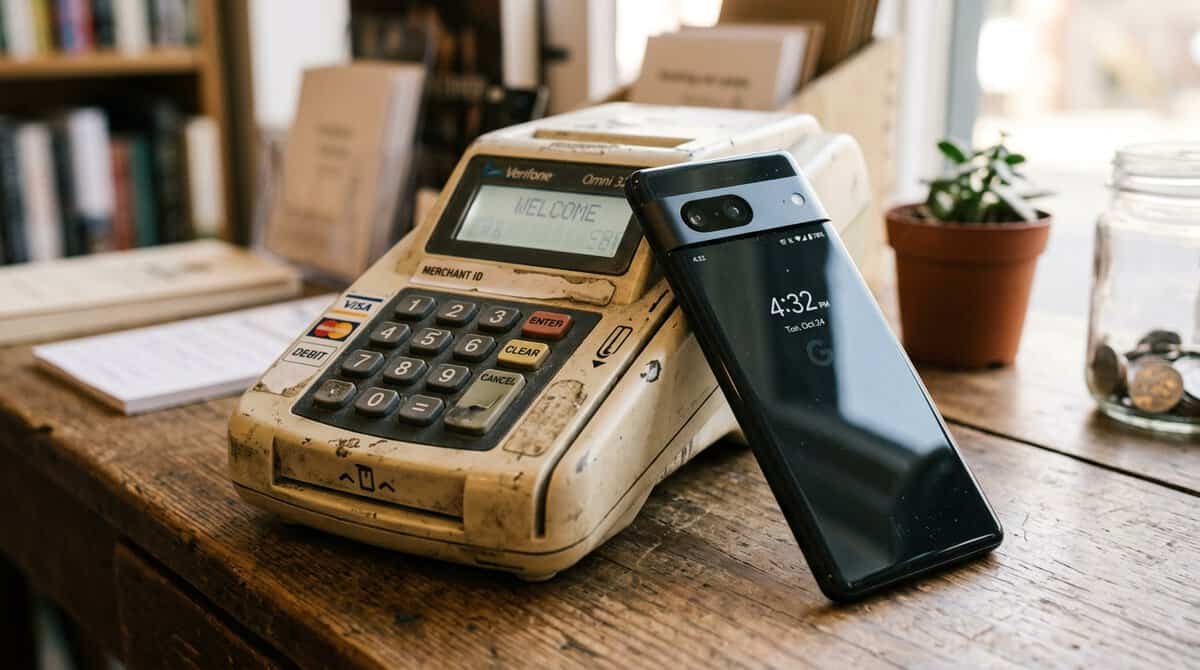
I vividly remember standing in a dusty, dimly lit hardware store back in 2017, watching the shop owner stare at my phone as if it were an alien device. When I tapped my Galaxy S8 against their ancient, clunky magnetic card reader, the machine beeped with a satisfying authority, and the transaction processed perfectly. This was the magic of Samsung Pay MST technology. For years, this hardware-level innovation acted as the great equalizer, allowing us to ditch our physical wallets in places that were decades behind in digital infrastructure. Samsung Pay, operated by Samsung Electronics, brought this MST capability to a global audience through its digital wallet service. The machine beeped like it had been waiting for a signal it didn’t know existed.
How MST Bridges the Digital Gap
Unlike standard Near Field Communication (NFC)—which requires a specific, updated terminal to receive a wireless handshake—Magnetic Secure Transmission (MST) works through a physical mimicry of a credit card swipe. When you activate your phone, the device emits a temporary, powerful magnetic pulse that fools a traditional magnetic stripe reader into thinking a plastic card has just passed through the slot. The trick looks like magic until you realize it’s just clever physics—a magnetic pulse doing what a swipe used to do.
This trick is particularly useful when traveling through rural areas or visiting pop-up markets where the technology consists of little more than a piece of plastic connected to a smartphone. While friends are fumbling for cash or struggling to find an ATM, you simply hover your phone over the side of the terminal. MST mimics the magnetic stripe of a traditional card, which means it works with older payment terminals that don’t support tap-to-pay. The older the terminal, the more the phone feels like the future.
Common Misconceptions About Mobile Payments
Despite the clear utility, there are two massive misconceptions I encounter in tech circles constantly:
-
- Mobile payments are less secure than plastic: This is fundamentally wrong. Because Samsung Pay MST technology utilizes tokenization, your actual card number is never transmitted to the merchant. Instead, a one-time digital token is generated, meaning even if a terminal is compromised, hackers walk away with useless, non-reusable data.
- MST is fundamentally broken: People often assume that because the feature is being phased out, it was inherently flawed. The reality is that it was a transitionary genius. It didn’t fail; it served its purpose of onboarding millions of users into a world where phone-based payments became the expected norm.
The Shift to NFC and the End of an Era
Starting with the Galaxy S21, Samsung made the controversial choice to omit the magnetic induction coils required for MST. This transition signifies a broader industry shift toward NFC as the universal standard. While the fallback safety net of MST was convenient, the trade-off is clear. Removing these components allows for slimmer, more power-efficient devices. The missing coils are a trade-off that makes more sense the longer you use the phone.
Is a Digital Wallet Right for You?
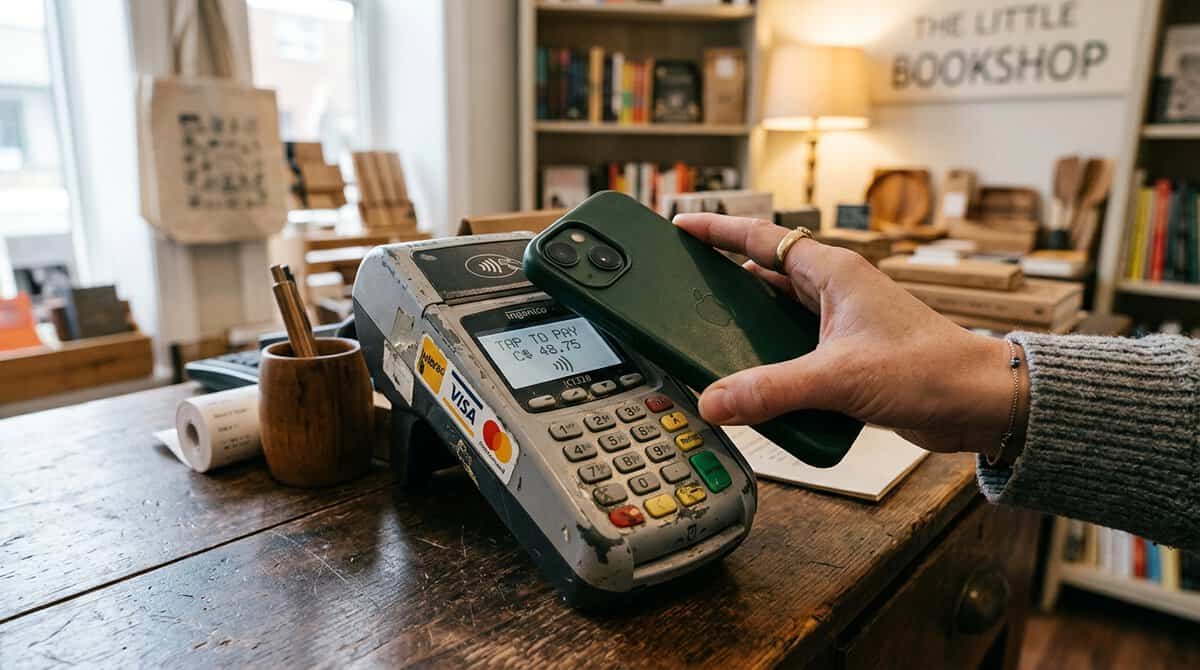
If you are considering moving your primary financial life to a smartphone, you need to weigh your specific lifestyle needs.
This is ideal for:
Commuters: Professionals who carry heavy gear and want to minimize pocket bulk.
Occasional Travelers: Individuals who want the peace of mind knowing they can pay at most merchants without a card.
Security Advocates: Anyone who wants the benefit of tokenization and biometrically secured transactions. The trade-off is simple: you trade card bulk for phone dependency.
You might want to skip this if:
Privacy Purists: If you are strictly concerned about the data-harvesting practices of major tech conglomerates, relying on a unified payment wallet increases your digital footprint.
Low-Battery Users: If your phone dies by 2 PM, you are effectively stranded without a backup payment method. The real lesson: carry a backup card if you’re the type who forgets to charge.
Practical Strategies for Privacy-Conscious Users
Convenience has a price. When first setting up a digital wallet, leaving all personalization toggles enabled can lead to eerily targeted ads in the browser. To mitigate this, dig into the “Privacy & Security” menu within the wallet settings. The privacy menu is where the convenience trade-off gets settled before the ads do.
Disable “Personalized Offers”: Toggle off all marketing and tracking options.
Review App Activity: If using a Google-integrated device, head to the account privacy dashboard and explicitly disconnect app activity from the core profile.
Use Biometrics: Always force a fingerprint or iris scan requirement for every single transaction, regardless of the amount. The privacy dashboard is where the real control lives, not in the app’s main screen.
Frequently Asked Questions
Does MST technology still work on modern registers?
Yes, for those who own older devices, it is fully backward compatible. If a register has both NFC and a magnetic stripe reader, your phone usually detects the terminal type and initiates the magnetic pulse, which the terminal treats as a standard swipe.
Why did Samsung remove MST from newer flagship phones?
Samsung cited the “rapid adoption of NFC” by retailers. By 2021, the vast majority of points-of-sale had been upgraded to contactless standards, rendering the extra hardware components (which added weight and cost) unnecessary for the average user.
Is the security of MST inferior to NFC?
Not at all. Whether you use the magnetic pulse or the wireless NFC signal, the underlying security protocol—tokenization—remains the same. Your sensitive banking data never touches the merchant’s server, making it significantly safer than handing over a physical plastic card.
Conclusion
Look back, and Samsung Pay MST technology was a remarkable period in consumer tech. It solved a real-world problem by ignoring the limitations of existing retail hardware. Now we are moving toward a world where NFC is the only required standard, but the legacy of that magnetic pulse reminds us that the best technology solves problems without forcing the user to wait for the world to catch up. The cleverest part was how invisible it had to be: the less the user noticed it working, the better it worked.