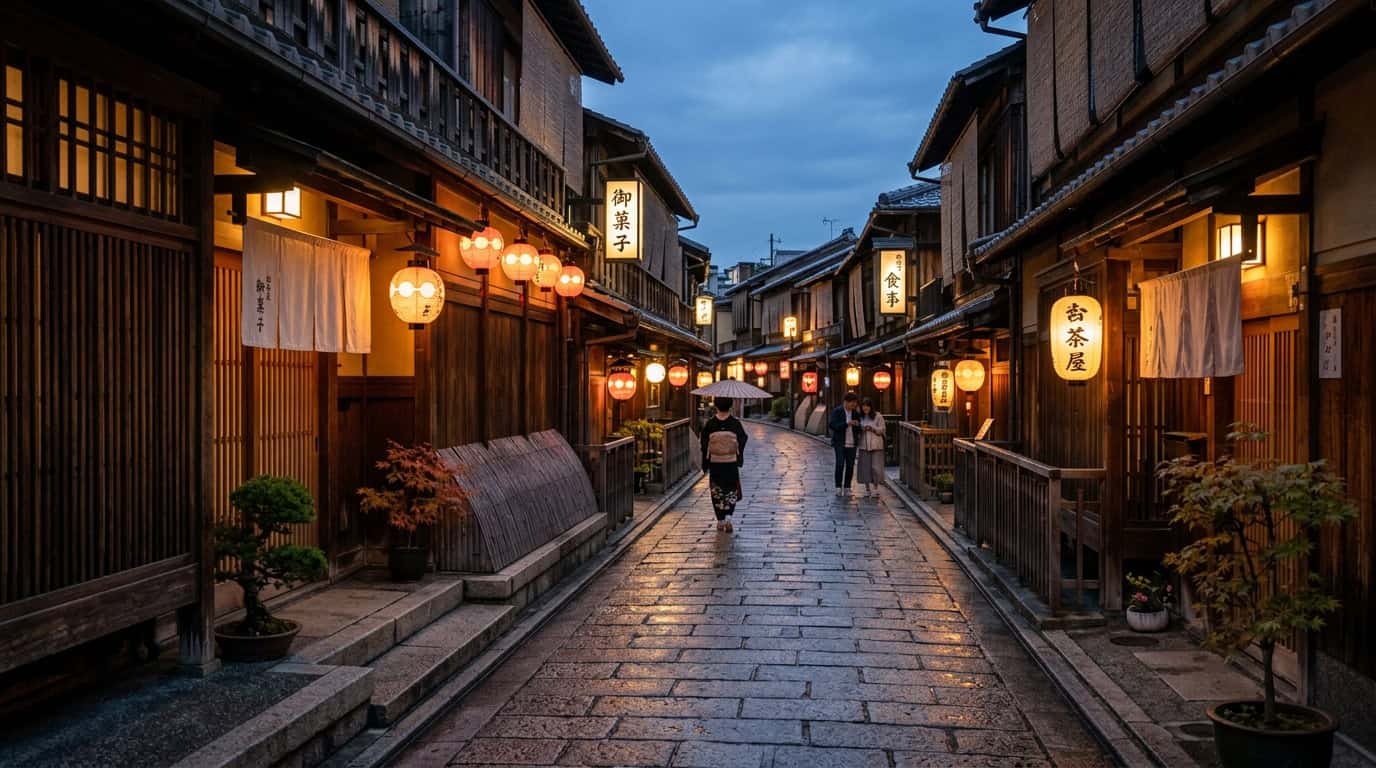
The japan Golden Route is the standard rite of passage for first-time visitors, but there is far more to this country than the well-trodden path between Tokyo, Kyoto, and Osaka. On a first trip, it’s easy to fall into the trap of scheduling every hour, resulting in a blur of train platforms and ticket kiosks. The most profound moments happen when you deviate from the itinerary. What you remember later is rarely what you planned.
The Reality of Mainstream travel
The allure of the classic loop is understandable, but relying solely on these hubs often leads to exhaustion. Rushing through Shibuya, Harajuku, and Shinjuku means missing the quiet, human-scale transitions that define daily life. In Tokyo, skip the peak-hour tourist rush. Visit Asakusa at 6:30 am, and the absence of massive crowds lets you appreciate the incense-heavy air and the temple’s intricate wood carvings in silence. Early morning is when the city feels like it belongs to you.
Choosing Your Travel Style
Deciding whether to stick to the classic loop or explore further comes down to an honest look at your priorities. More distance doesn’t always mean more reward — sometimes the quieter route asks for more patience, not less.
| Feature | Golden Route Approach | Regional Discovery Approach |
|---|---|---|
| Pace | Rapid/High Intensity | Slow/Immersive |
| Connectivity | Excellent (Shinkansen) | Moderate (Local lines/bus) |
| Cultural Depth | Surface Level | High/Engaged |
| Cost | Premium (JR Pass heavy) | Variable (Region-specific) |
Why You Should Consider Northern Honshu
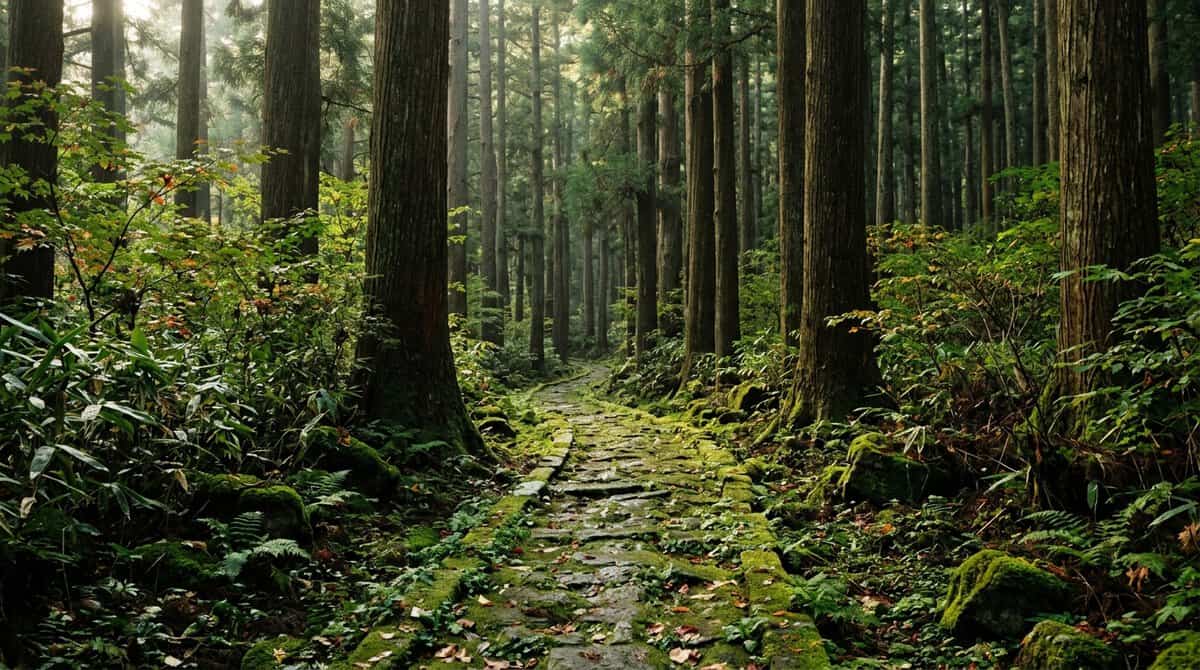
If you want a break from urban density, Aomori prefecture offers a refreshing shift. While the south is frantic, the north is deliberate. The air cools and the pace drops the moment you step off the shinkansen.
Hirosaki Castle: This is a genuine historic site, not a modern concrete reconstruction.
Local Craft: Apple culture here extends into hot spring baths and local cider production. The apple-scented steam from the baths lingers longer than the train schedule allows.
-
-
- Resort Shirakami Train: This coastal rail journey provides a relaxed pace that the high-speed lines cannot match.
-
Mastering Logistics and Budgeting
The biggest mistake during a third trip was over-relying on the national JR Pass. Regional rail passes and local buses in the Nagano area saved nearly $200. Yes, it cost four hours of transit time, but that meant sitting in a rural station cafe, drinking tea with a local owner who recommended a nearby hot spring that wasn’t in any guidebook. The four-hour loss was the part that paid off.
Budgeting for Japan doesn’t mean sacrificing quality. Use the Kuromon Market in Osaka for a seafood lunch instead of expensive, sit-down sushi bars. You get the same freshness for a fraction of the cost. It rewards a willingness to eat on your feet rather than at a counter.
Common Misconceptions
Many travelers assume that everything in Japan closes early. While suburban retail shuts down, Tokyo and Osaka are vibrant long past midnight. You will never go hungry, even if you wander into an izakaya at 1:00 am.
Another common misconception is that English is spoken everywhere. Outside of major hotels, you will encounter significant language barriers. Keep a physical card in your pocket with your hotel address in Japanese characters—it has saved stranded taxi rides more times than you can count. The silence in the taxi seat shifts once you hand the card forward.
Is This Approach Right For You?
This style of slow travel is ideal for people who value deep engagement over checking off landmarks. If your goal is to photograph the Fushimi Inari gates, stay on the main path. Skip the remote regional tours if you have less than ten days, as the longer travel times can lead to frustration rather than relaxation. The main path delivers the postcard shot; the side trails deliver the quiet.
Frequently Asked Questions
Is the Japan Golden Route worth the cost?
Yes, for first-timers, the infrastructure is efficient and reliable. However, you should budget for the high cost of the Shinkansen. To save, focus on one or two regions rather than the entire country at once.
How many days do I need for a balanced trip?
I recommend at least 14 days. Spend 3-4 days in the major cities and dedicate the remaining time to one quieter region like the Japanese Alps or Tohoku. This prevents the ‘burnout’ effect of constant travel.
Can I travel on a strict budget?
Absolutely. By choosing business hotels or hostels and dining at local markets, you can keep daily costs low. Always check if a regional rail pass is cheaper than the national JR Pass before you commit.
How do I handle the language barrier?
Download an offline translation app and carry a paper map or address card. Technology is a safety net, but analog preparation is often more reliable when signal quality fluctuates.
Final Thoughts
The Japan Golden Route remains a fantastic introduction, but do not let it dictate your entire experience. By mixing established highlights with off-beat regional stops, you create a journey that feels personal rather than programmed. Take the slower train, eat the local street food, and embrace the unexpected. Your best travel memories will likely come from the detours you take when your plans fall through. The legs remember the detour routes longer than the bullet-train blur.