Finding the right spot for a meetup is often the hardest part of planning a day out, and using this comprehensive gangnam station cafe guide will ensure you avoid the rookie mistakes that lead to crowded, noisy, or overpriced experiences. When I first attempted to navigate the labyrinthine alleys surrounding Seoul’s most famous transit hub, I spent nearly an hour dragging friends between generic chains that were packed to the rafters with students and commuters. We eventually settled for a cramped, basement-level shop that smelled like burnt beans and was so loud I could barely hear my own thoughts. I learned the hard way that in Gangnam, geography is everything, and the best venues are almost never the ones you see immediately when you step off the subway train.
Quick Summary
-
-
- Seek Out Side Streets: The absolute best cafes are located 5-10 minutes away from the main exits, where foot traffic dies down and atmosphere takes priority.
- Master the ‘Third Space’: Look for establishments that provide comfortable seating, high-backed chairs, and enough table height to actually enjoy a conversation.
- Check Secondary Branches: Major local coffee brands often open secondary locations in quieter streets nearby; these are almost always less crowded than the flagship stores.
- Mind Your Timing: Avoid the 2:00 PM to 4:00 PM rush if you need a table for a group of three or more, as this is peak time for both workers and students.
- Check for Outlets: If you plan on working, verify if the cafe offers power, as many ‘aesthetic’ spots in Gangnam have intentionally removed outlets to discourage long stays.
-
The Direct Answer: Where Should You Actually Go?
If you want the most reliable experience without wandering aimlessly, prioritize places like Cafe Alver or the secondary branches of established local brands. If you are near exit 11 or 12, walk three blocks north toward the residential-adjacent side streets rather than staying on the main thoroughfare. These areas house the real hidden gems—renovated houses and multi-story buildings that offer second and third-floor seating, which act as a natural filter for the street-level chaos. For a group meeting, aim for venues that offer communal tables or distinct seating zones rather than single-person desks, as these setups are designed for the very interaction you are seeking.
The Anatomy of a Perfect Meeting Spot
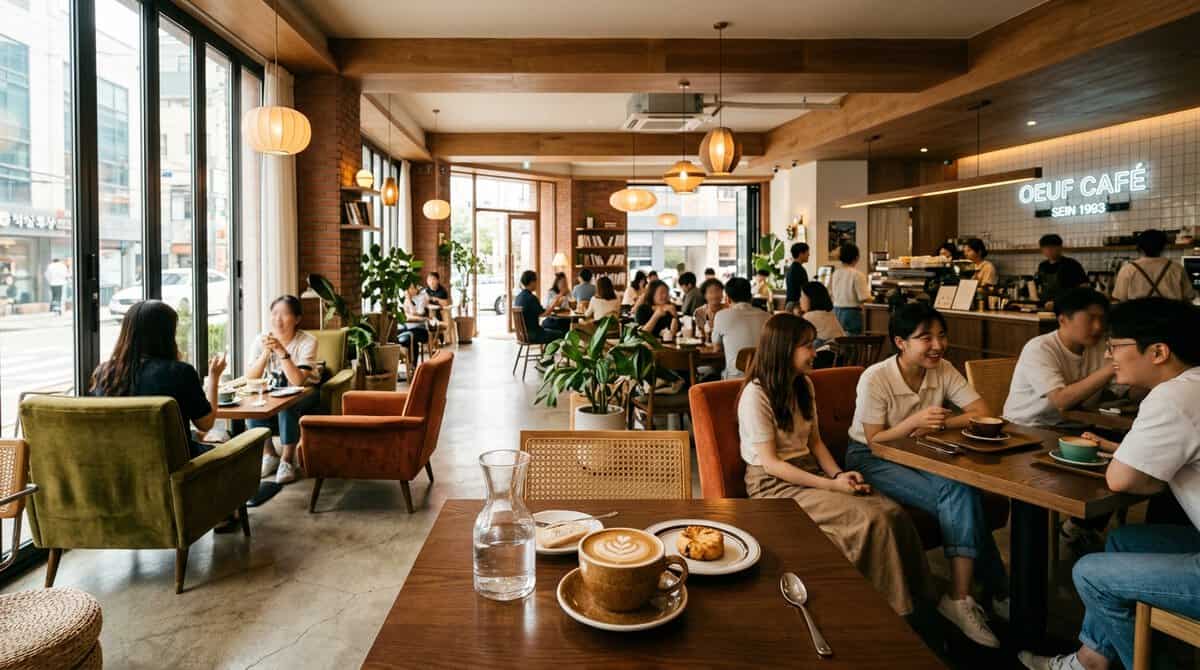
In a district that moves at the speed of light, finding a cafe that functions as a true ‘third space’ is a skill. Many modern Korean cafes prioritize high-contrast visuals—concrete floors, low tables, and uncomfortable metal stools—because they look incredible on social media. However, these are often the worst places for a two-hour conversation with friends. I look for spaces that utilize sound-dampening materials like fabric, wood, or heavy curtains. These simple design elements turn a loud, echo-prone room into a place where you can actually hear your friends without raising your voice.
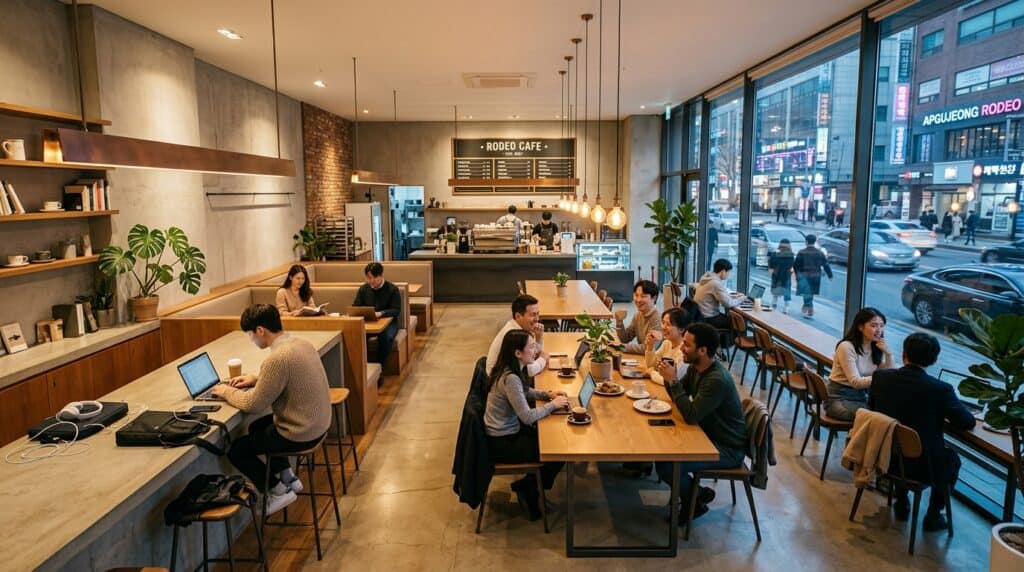
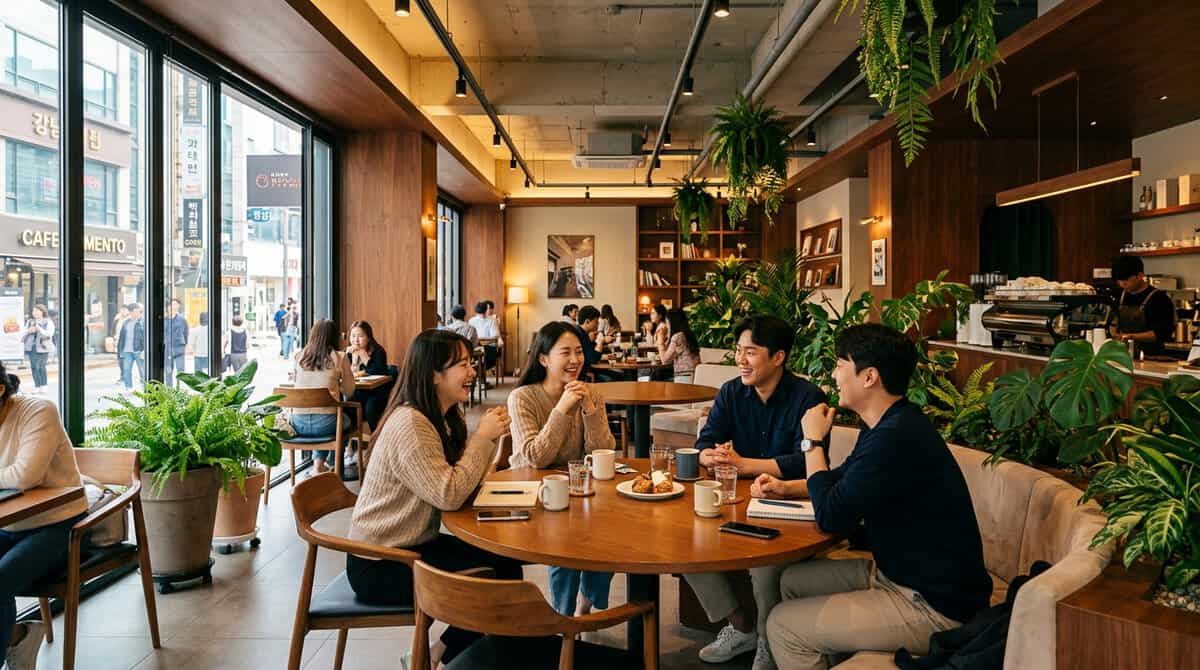
Furthermore, consider the layout. When I scan a potential venue, I look for ‘zoning.’ The best cafes have distinct areas for different types of patrons. If a cafe is entirely one open floor plan with single desks facing a wall, it is designed for intense individual focus, not socializing. Conversely, a place with varied seating—benches, armchairs, and communal tables—is signaling that it is comfortable with groups. If you arrive and see nothing but people with laptops and noise-canceling headphones, turn around and try the next street over. You are in the wrong ecosystem for a friendly catch-up.
Why Secondary Locations Are Your Secret Weapon
One of the most persistent myths about Gangnam is that the flagship store of a popular chain is the pinnacle of the experience. It is actually the opposite. In my experience, flagship stores in Gangnam are essentially high-traffic transit hubs. They are meant to be ‘grab and go’ operations, or at least they are overwhelmed to the point where the service becomes transactional rather than relational. My local friends taught me to hunt for the secondary branches. Often, a brand will have a massive, beautiful, and slightly more ‘human’ store just a five-minute walk from the crowded subway-side branch.
These secondary outlets usually offer the exact same menu, the same roasted beans, and the same interior design aesthetic, but they suffer from a fraction of the foot traffic. I once spent an hour trying to find a seat at a popular roastery right next to a busy subway exit. It was a complete failure. On a hunch, I walked ten minutes further into the neighborhood and found their second location. It was empty, calm, and had a beautiful garden terrace. The extra bit of walking saved us from a frustrating afternoon and completely changed the tone of our meetup from stressed to serene.
Assessing the ‘Social Rent’ of Your Coffee
When you see prices ranging from 5,000 to 9,000 KRW for a latte, it is easy to get frustrated. However, in Gangnam, you have to shift your perspective. You are not just buying beans and milk; you are paying ‘social rent’ for the physical space you occupy. I would much rather pay 8,000 KRW for a drink in a cafe where I am welcomed to stay for two hours in a comfortable chair than pay 4,500 KRW in a place where I feel pressured to leave the moment my cup is empty.
Value is subjective, but in this district, it is tied directly to the atmosphere. If a cafe provides a comfortable, quiet environment where you can connect with friends, that is a high-value experience. If a cafe is designed to force turnover through hard seating and lack of outlets, it is low value for a meeting, regardless of how good the coffee might be. Always factor in the cost of your time and stress when picking a location. A slightly more expensive cup in a comfortable, quiet venue is usually cheaper than a budget cup in a place that leaves you feeling exhausted.
Common Mistakes to Avoid
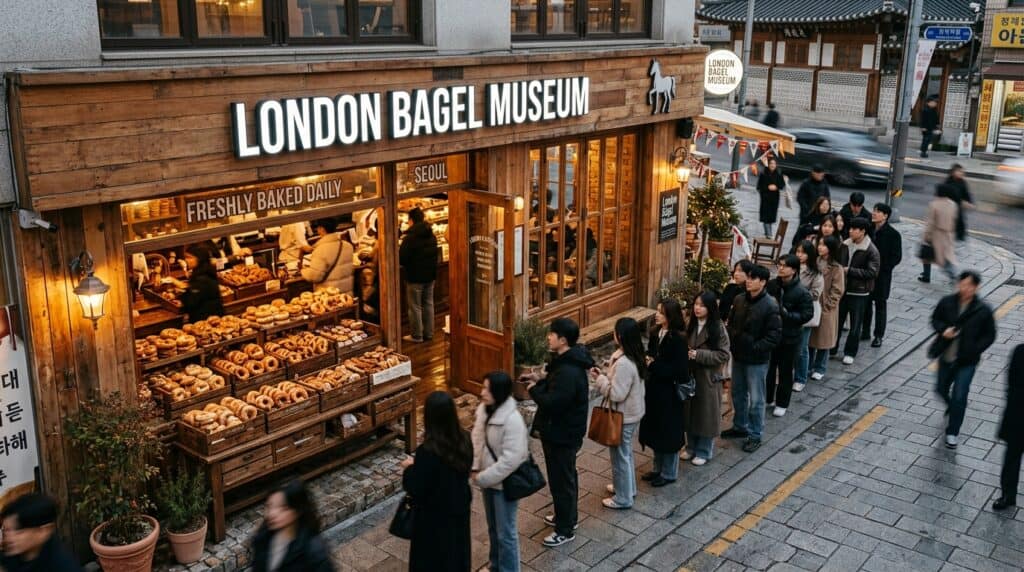
One of the biggest mistakes newcomers make is assuming that the longest queue equals the best taste. In Gangnam, a line out the door is frequently a result of proximity to a subway exit or social media hype, not necessarily a hallmark of quality. I have waited twenty minutes for a pour-over in a ‘trendy’ spot only to realize the drink was mediocre and the room was so loud I couldn’t speak to my friend. Stop following the crowds. If you see a massive line at a coffee shop near the subway, keep walking.
Another mistake is ignoring the building floor level. Most people gravitate to the street-level entrance. In Gangnam, many of the best, most spacious cafes are located on the second, third, or even basement levels. These locations naturally filter out the tourists and shoppers who are just ducking in to charge a phone or use a restroom. By heading up or down, you often find shops that are significantly better kept, quieter, and more conducive to a relaxed afternoon of conversation.
Who Should (and Should Not) Use This Approach
This approach is ideal for people who value quality of connection over convenience. If you are meeting friends from out of town, or if you are a remote worker looking for a space to collaborate for two or three hours, you will find this strategy life-changing. You are essentially curating your environment to ensure that your social life isn’t interrupted by the frantic pace of the city.
However, you might want to skip this if you are in a rush. If your only goal is to grab a caffeine hit before catching a subway train, do not waste ten minutes walking into the quiet alleys. Just head to the first reliable-looking chain you see at the exit. The ‘hunt’ for the perfect cafe is not for everyone, and if you are strictly focused on utility or efficiency, prioritize the high-traffic spots near the transit hubs.
Frequently Asked Questions
1. Are there many quiet cafes near Gangnam station?
Yes, but they are rarely the ones you see immediately. You have to walk about five to ten minutes away from the main Gangnam Boulevard toward the residential areas. Locals know that the quietest, most peaceful spots are usually tucked away on the second or third floors of office or residential-converted buildings. By staying off the main street, you naturally avoid the loud, transient crowds that define the station area.
2. Is it rude to stay at a cafe for a long time?
Seoul’s cafe culture is very accommodating, but there is an unspoken etiquette. It is perfectly acceptable to stay for an hour or two, especially if you have ordered a drink. However, if you plan to stay significantly longer, it is considered polite to order a second round, especially if the shop starts to get busy. Being mindful of the shop’s capacity is a great way to respect the local owners and keep these spaces accessible for others.
3. Do most cafes have Wi-Fi and power outlets for remote work?
South Korea has some of the best internet in the world, and free, high-speed Wi-Fi is standard in almost every cafe. Power outlets, however, are a different story. Many newer, ‘vibe-focused’ cafes have intentionally removed outlets or hidden them to discourage people from working for hours. If you are planning a long work session, check reviews on Naver Map or look for venues explicitly marketed as study-friendly or work-conducive, such as those with long, communal tables.
4. Why should I use Naver Map instead of Google Maps?
Google Maps often struggles with the intricate, multi-level nature of Seoul buildings. Many of the best ‘hidden’ cafes are in basements or on high floors, and Google may not show the correct entrance or building details. Using Naver Map or Kakao Map ensures you get the most accurate, real-time data on location, entrance points, and even store closures, which is vital when you are navigating the busy, complex streets of Gangnam.
The Future of the Gangnam Social Scene
As we look ahead, the cafe scene in Gangnam is shifting toward hybrid models. Many of the spots I frequent have started serving local craft beers or wine in the evening. This means you can show up at 3:00 PM for an iced latte and stay until 8:00 PM for a glass of red wine, all without moving. I have come to appreciate this shift as it reflects the way we actually live—we want spaces that can grow with us as the day progresses.
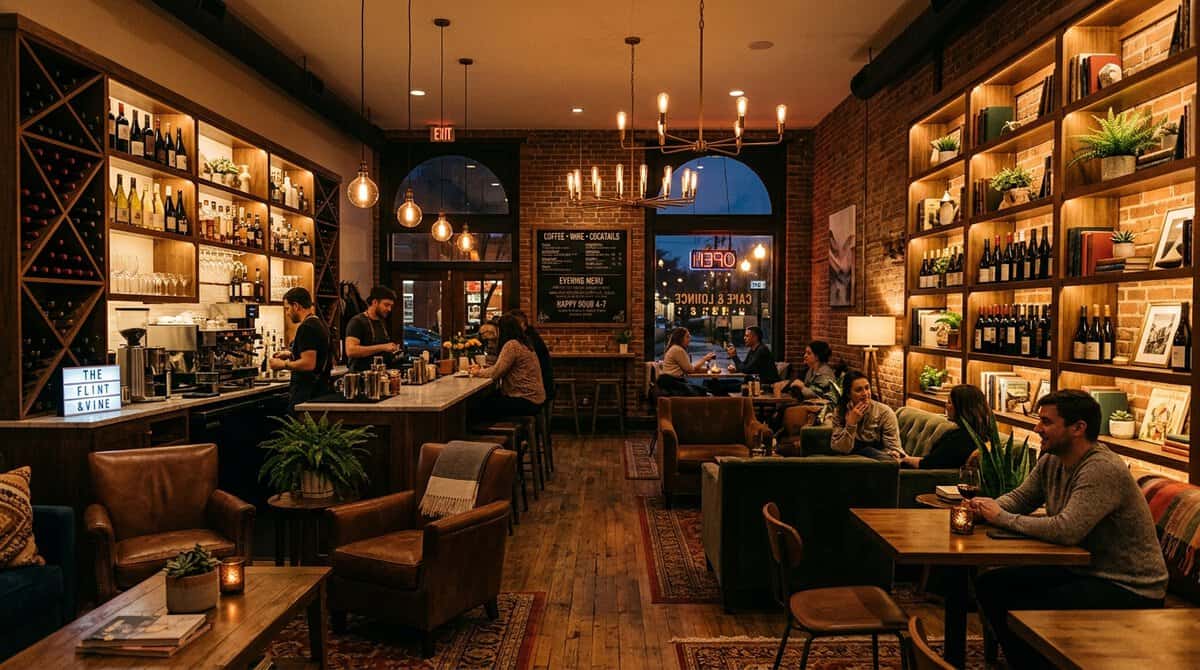
When I first moved to this part of the city, I thought of a cafe as a place for one specific task: getting caffeine. Now, I see these spaces as the central hubs of my social life. Whether you are a local or just passing through for a day, the key to a good experience in Gangnam is intentionality. Don’t just pick the first sign you see. Take a walk, look for those quieter secondary branches, and find a spot that actually lets you breathe. That extra ten minutes of walking is worth it for a two-hour conversation that isn’t interrupted by the noise of the main road.
Choosing the right cafe is ultimately about understanding the rhythm of the city. Gangnam moves at a breakneck pace, and its best social spaces are the ones that push back against that momentum. By focusing on the smaller, secondary, or less central outlets, you gain access to the ‘real’ version of this district. I have found my favorite spots through trial and error, often walking past the big-name chains to find the places where the baristas actually know the regulars. It changes the whole experience from a quick transaction into a genuine, community-oriented event. Stick to the side streets, avoid the main exit crush, and you will eventually find the soul of this city in a single, well-crafted cup of coffee. Your next great memory with friends is waiting in one of those quiet corners, provided you are willing to walk a few extra blocks to find it.