Mastering the Art of Traveling to japan Without Mistakes
Traveling to Japan is a bucket-list achievement, but the reality of maneuvering through such a dense, intricate, and high-functioning country can overwhelm even seasoned wanderers. After my own recent 15-day journey from Tokyo to Kyoto, I quickly realized that Japan rewards the prepared traveler while silently punishing those who rely on assumption. The secret to a seamless trip isn’t just booking the right flights; it’s mastering the local infrastructure and social rhythm.
The Seasonal Timing Trap
Many travelers assume any time is a good time for a visit, but that is a dangerous misconception. My own trip in mid-September was a tactical error. I arrived expecting mild transition weather, but I found myself battling 93-degree temperatures and 98% humidity. This combination zaps your energy and makes simple tasks like navigating station stairs feel like a grueling endurance sport.
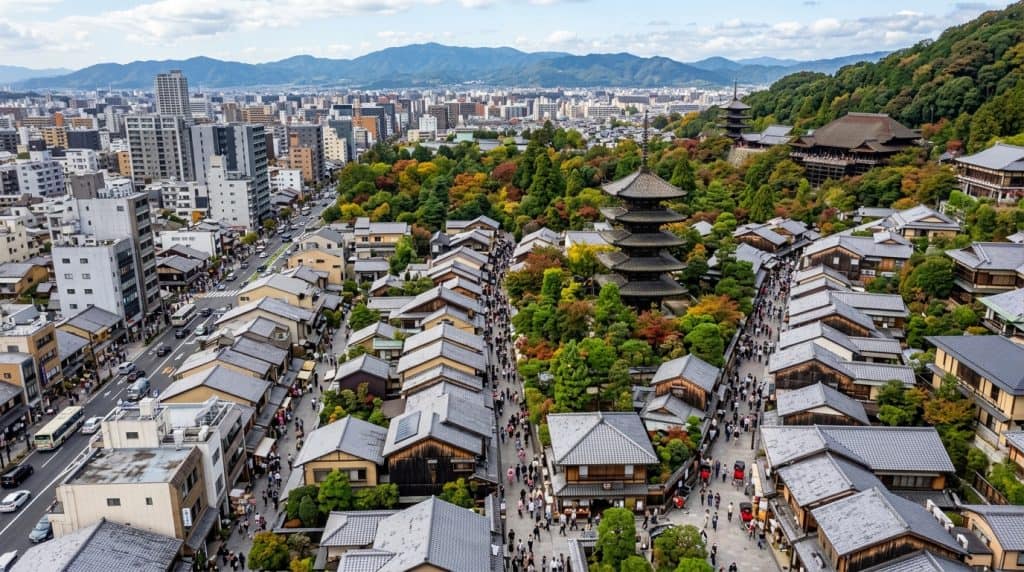
If you want the best experience, aim for late October or November. Not only does the air cool significantly, but the autumn foliage—the koyo—transforms the landscape into deep reds and burnt oranges. Similarly, if you chase the cherry blossom season in spring, remember that bloom timing is fickle. It follows a “bloom front” from south to north, so monitor the Japan Meteorological Corporation’s forecasts starting in January to time your arrival perfectly.
Luggage Logistics: The Takkyubin Solution
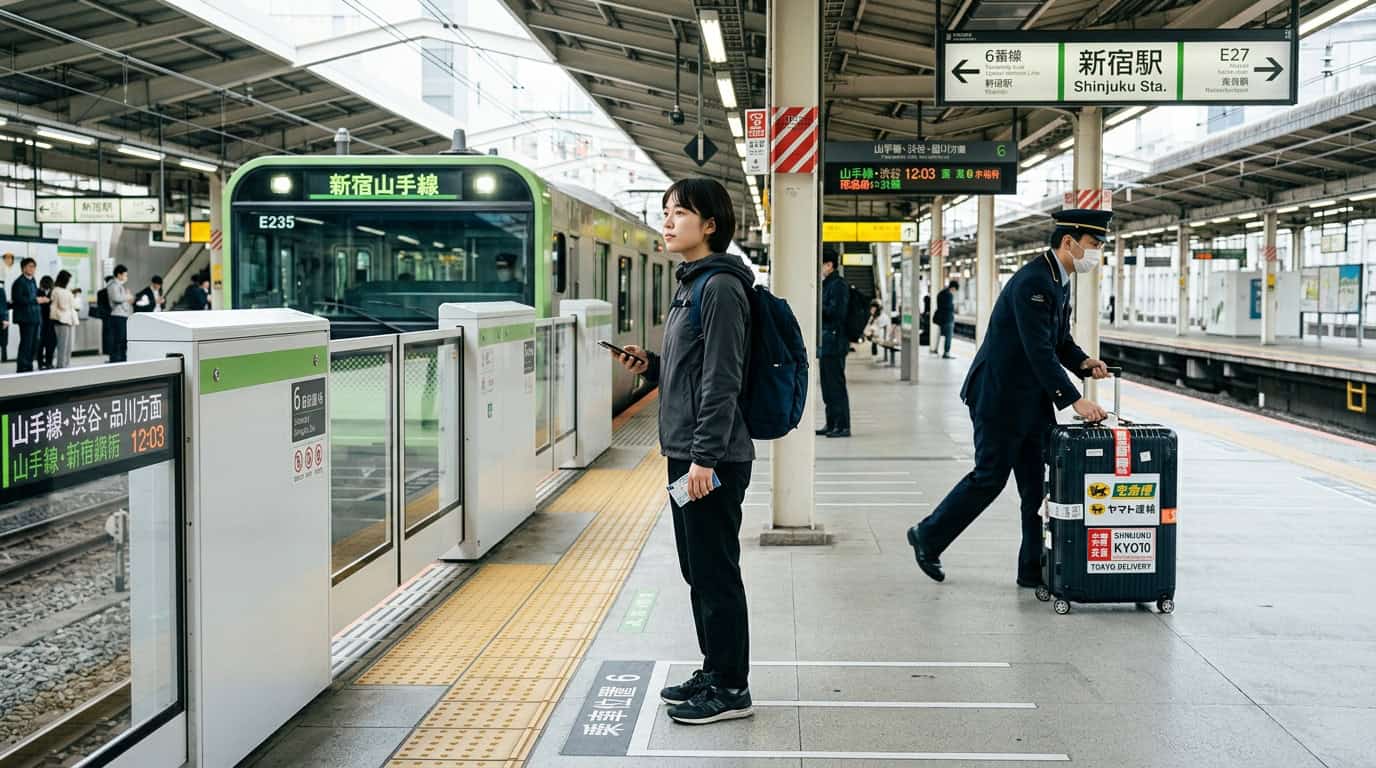
Perhaps the most practical piece of advice I can offer is to stop treating your luggage like a companion. Dragging a massive suitcase through Tokyo’s shinkansen stations or onto a crowded subway is a recipe for physical exhaustion and social friction. Use the Takkyubin luggage delivery service instead. For roughly $15 to $20 per bag, hotels will ship your luggage to your next destination overnight. This allows you to travel between cities with nothing more than a light daypack, making your transit days infinitely easier.
Navigating Digital Transit
Forget physical tickets. I watched my partner breeze through turnstiles using a digital Suica card on their phone, while I stood in a ten-minute line at a vending machine because my physical card lacked credit. Before you start traveling to Japan, set up a digital Suica, Pasmo, or ICOCA card in your Apple or Google Wallet. You can top these up instantly using your phone’s credit card, preventing that sinking feeling of being stuck at a rural station without a working ticket.
Dining Beyond Convenience Stores
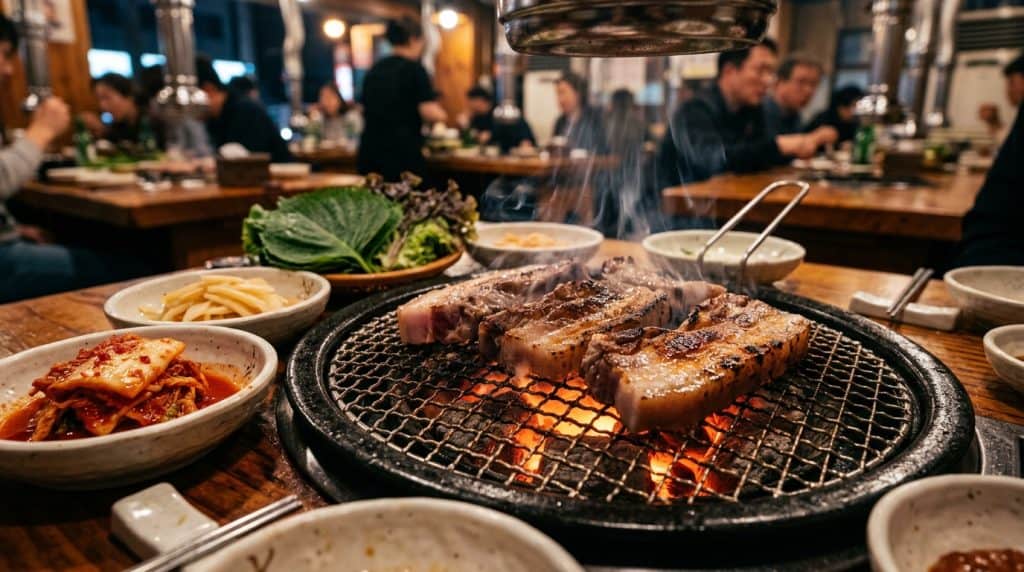
It is incredibly tempting to grab all your meals at a konbini like 7-Eleven or Lawson. The food is high-quality, cheap, and fast. However, relying on them for every meal is a mistake that robs you of the true culinary culture. Make it a rule to have at least one sit-down meal per day. Whether it is a tiny izakaya tucked under the train tracks or a high-end sushi bar in Ginza, the social atmosphere of a restaurant is where the heart of Japan resides.
| Meal Type | Estimated Cost | Why It’s Worth It |
|---|---|---|
| Convenience Store | $4 – $8 | Perfect for time-crunched transit days. |
| Ramen Shop Counter | $8 – $15 | Essential for authentic, fast, hot food. |
| Izakaya Social | $25 – $40 | The best way to meet locals and sample variety. |
| High-End Kaiseki | $100+ | A cultural ritual of seasonal ingredients. |
Who Should—and Should Not—Visit Japan
Japan is not a “wing it” destination, and understanding that is the key to enjoying your stay.
This is ideal for: Travelers who value safety, thrive in urban environments, appreciate historical preservation, and are willing to invest hours into pre-trip research.
You might want to skip this if: You are on a razor-thin budget, you find large crowds physically distressing, or you prefer a vacation that requires zero logistical planning or navigation.
Cultural Nuances and Etiquette
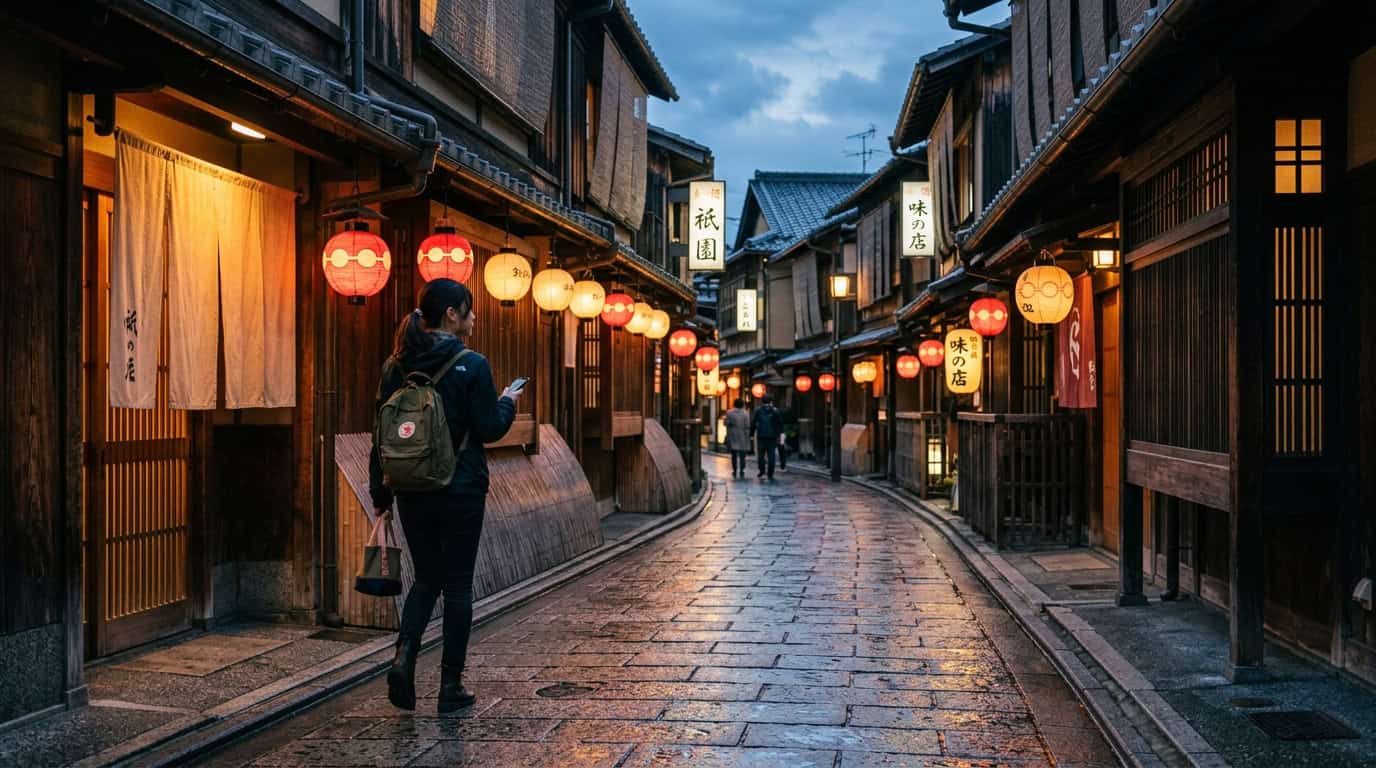
One common mistake I witnessed was tourists being too loud in public spaces. Japan is a society that values the collective over the individual. On trains, keep your voice down and your phone on silent. Furthermore, always carry a small bag for your trash. Public bins are notoriously rare in Japanese cities, and it is considered very bad form to leave waste on the street.
Lastly, if you are planning to visit temples or shrines, dress modestly. While Japan is modern, sacred sites are conservative. Keep shoulders covered and opt for slip-on shoes, as you will frequently need to remove them before entering traditional wooden buildings or interiors.
Frequently Asked Questions
Do I need to learn Japanese to survive?
No, but you should learn the basics. Apps like Google Lens will translate menus, and VoiceTra is excellent for complex questions. However, learning to say “sumimasen” (excuse me) and “arigato” (thank you) acts as a bridge. Shopkeepers respond much more warmly to people who show even a tiny bit of effort toward the local language.
Is cash still the king of Japan?
Yes, in many ways. While major department stores and transit accept digital payments, small, family-run shops and neighborhood shrines are often cash-only. Always keep at least 10,000 yen (roughly $65) on you. I personally had a moment where I couldn’t pay for a small ceramic souvenir because I only had my phone, and it was a humbling reminder to carry physical notes.
Is the JR Pass worth buying?
Since the major price hikes in late 2023, the answer is usually no. The JR Pass is only a value if you are traveling across multiple major cities in a short, high-velocity window. If you are just moving between Tokyo, Kyoto, and Osaka, individual tickets or regional passes are almost always cheaper than the nationwide pass.
What if I am traveling with a baby?
Japan is very functional for families, but you must manage your expectations. Tiny, counter-only restaurants are difficult with a stroller. Use the “Mamamap” app to find dedicated, high-quality nursing rooms, and prioritize booking accommodation with baby-friendly amenities like cribs and soundproofing.
Conclusion
Traveling to Japan is an adventure that requires a delicate balance of structure and spontaneity. My primary advice is to book the high-demand experiences—like sumo tournaments or specific tea ceremonies—months in advance, but leave your afternoons open for aimless wandering. By digitizing your transit, utilizing the luggage delivery systems, and leaning into the local etiquette, you will find that the country is not just a place you visit, but a place that fundamentally changes how you view travel itself. Prepare well, respect the rhythm of the culture, and your trip will be a resounding success.