Exploring the temple of Literature Hanoi
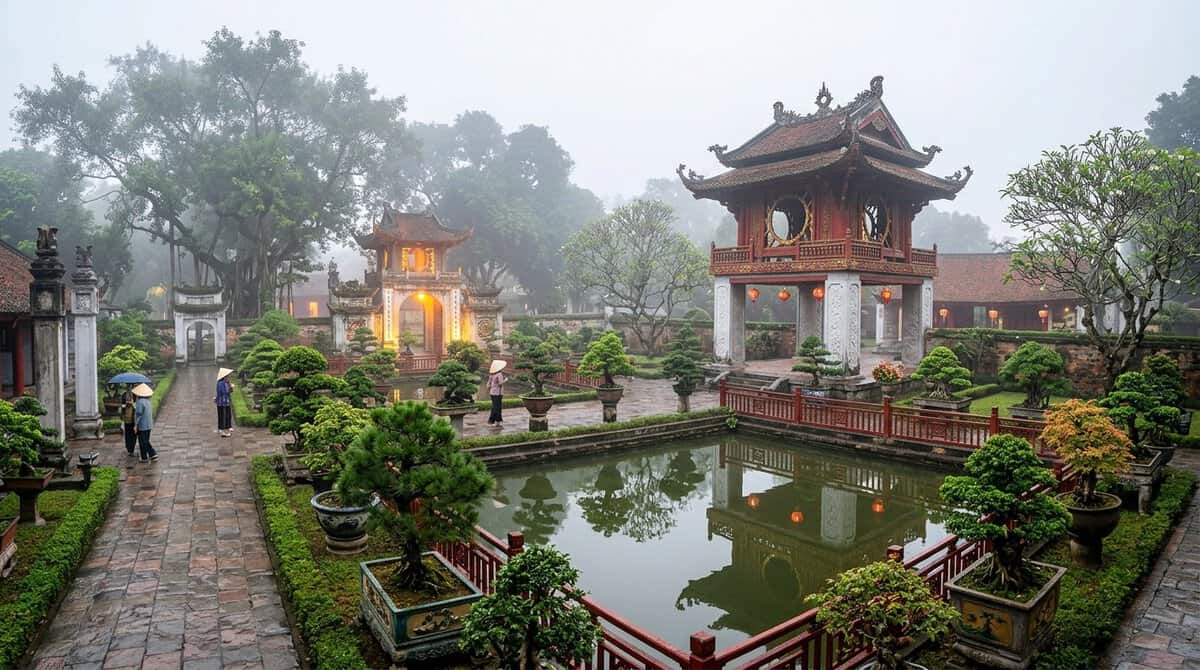
When I first walked through the gates of the Temple of Literature Hanoi, I immediately noticed how the city’s frantic energy simply vanished, replaced by a profound, centuries-old stillness. This site, established in 1070, is far more than a simple tourist attraction; it represents the soul of Vietnamese intellectual heritage. As the country’s first national university, it served as a training ground for the elite, and today it remains a powerful symbol of the nation’s reverence for education.
The Architecture of Knowledge
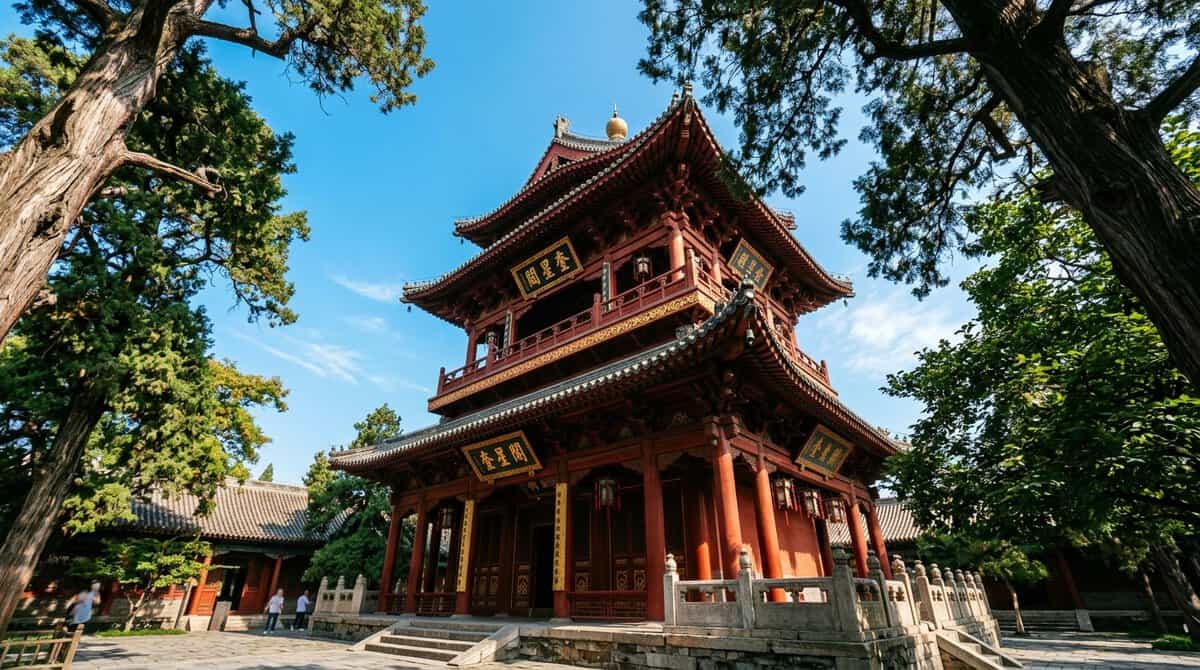
The layout of this complex is masterfully designed to guide visitors through five distinct courtyards. Each space serves a specific purpose, transitioning from lush, manicured gardens into the more sacred, scholarly halls of the inner sanctum. When I visited, I spent a solid hour just studying the Great Middle Gate and the iconic Constellation of Literature Pavilion. The double-roofed wooden structure is a masterpiece of traditional craftsmanship, though it can become quite crowded with local students hoping for academic success.
Understanding the Historical Significance
Perhaps the most compelling feature for any visitor is the series of 82 stone steles, which are recognized by UNESCO for their immense historical value. Each stele sits atop a stone turtle, traditionally a creature of longevity and wisdom in Vietnamese culture.
The Significance: These tablets record the names and birthplaces of scholars who passed the imperial examinations between 1442 and 1779.
The Preservation: While travelers often want to touch the turtle heads for good luck, I urge you to refrain. To protect these artifacts, authorities strictly prohibit physical contact, and your respect helps ensure they survive another five centuries.
Practical Strategies for Your Visit
Many travelers make the mistake of treating this site like a quick photo opportunity. I saw several tour groups rush through the entire complex in 20 minutes, missing the nuance of the stone carvings entirely.
Common Mistakes to Avoid:
-
- Rushing the Experience: If you spend less than 90 minutes here, you are merely scratching the surface. Take time to read the placards and sit in the courtyards.
- Assuming it’s a Temple: A major misconception is thinking this is a religious site where you must offer incense for divine favor. It is a secular monument to Confucian wisdom and intellectual discipline.
Who Should Visit?
This is ideal for: History buffs, architecture lovers, and travelers who need a quiet respite from the, at times, overwhelming noise of Hanoi’s narrow streets.
You might want to skip this if: You are searching for high-energy, interactive attractions or if you struggle with mobility, as the site requires a significant amount of walking over historic, uneven stone paths.
Budgeting Your Trip
When planning your itinerary, keep in mind that the Temple of Literature Hanoi offers incredible value for the price. An entry ticket costs roughly 30,000 VND (about $1.20 USD). If you want to dive deeper into the history, I highly recommend hiring an English-speaking guide at the entrance for approximately 200,000 VND. Their ability to explain the symbolism behind the wood carvings added a layer of depth I absolutely would have missed on my own.
| Item | Estimated Cost (VND) | Estimated Cost (USD) |
|---|---|---|
| Adult Admission | 30,000 | $1.20 |
| Private Guide (1 hr) | 200,000 | $8.00 |
| Audio Guide Rental | 50,000 | $2.00 |

Integrating the Temple into Your Itinerary
I suggest pairing this visit with a quiet morning. I arrived around 8:00 AM, which is essential for beating both the sweltering humidity and the large bus tours. If you are flying in from a long-haul flight, consider this your ‘recovery’ activity. The meditative environment is far more forgiving on a tired body than the chaotic markets of the Old Quarter. For those continuing their travels throughout Vietnam, remember that while this site anchors your time in the North, the country offers a vast spectrum of experiences, from the imperial history of Hue to the modern bustle of Ho Chi Minh City.
Frequently Asked Questions
Is the Temple of Literature Hanoi a working school?
No, it does not function as a degree-granting institution today. Historically, it was the Imperial Academy, but now it serves as a heritage site dedicated to education and the preservation of Vietnamese culture. It is a monument to the nation’s long-standing dedication to academic excellence, not an active university.
How much time should I realistically set aside?
I recommend allocating at least 90 minutes to two hours for a thorough visit. This provides enough time to read the history of the steles, admire the garden architecture, and spend time in the main sanctuary without feeling rushed. If you are a history enthusiast, you could easily spend closer to three hours soaking in the details.
Can I visit the temple if I have limited mobility?
The site is largely accessible, but please be aware that there is quite a bit of walking involved across the five courtyards. The surfaces can be uneven due to the age of the stones. If you use a wheelchair or have significant mobility restrictions, you will still be able to see the primary courtyard and main buildings, but reaching the furthest sections may be challenging.
Is there a specific dress code?
Yes, because this is a site of cultural and historical importance, visitors are expected to dress respectfully. This means keeping your shoulders and knees covered. While it is not as strict as a traditional Buddhist temple, it is a sign of respect for the scholarly heritage the site represents. Wearing modest attire will also keep you protected from the sun during the hotter months.
Final Thoughts
Visiting the Temple of Literature Hanoi allows you to connect with the intellectual foundation of Vietnam. It’s just one of many fascinating Hanoi cultural attractions that reveal the city’s rich and layered history. It is a rare, quiet pocket in a city known for its vibrant, relentless energy. By prioritizing this stop in your schedule, you gain a better understanding of why Vietnam has maintained such a strong focus on education for over a thousand years. Approach it with patience, and you will leave with a deep appreciation for the scholars who walked these paths centuries before you.