Exploring Old Phuket Town completely changed how I travel through Southern Thailand. When I first visited the island several years ago, I booked a 14-day stay at Karon Beach, fully intending to do nothing but drink overpriced cocktails and sunburn myself on the sand. A sudden issue with my hotel reservation forced me to spend two nights inland, and it turned out to be the highlight of my trip. The detour asks for nothing but a willingness to step away from the sand.
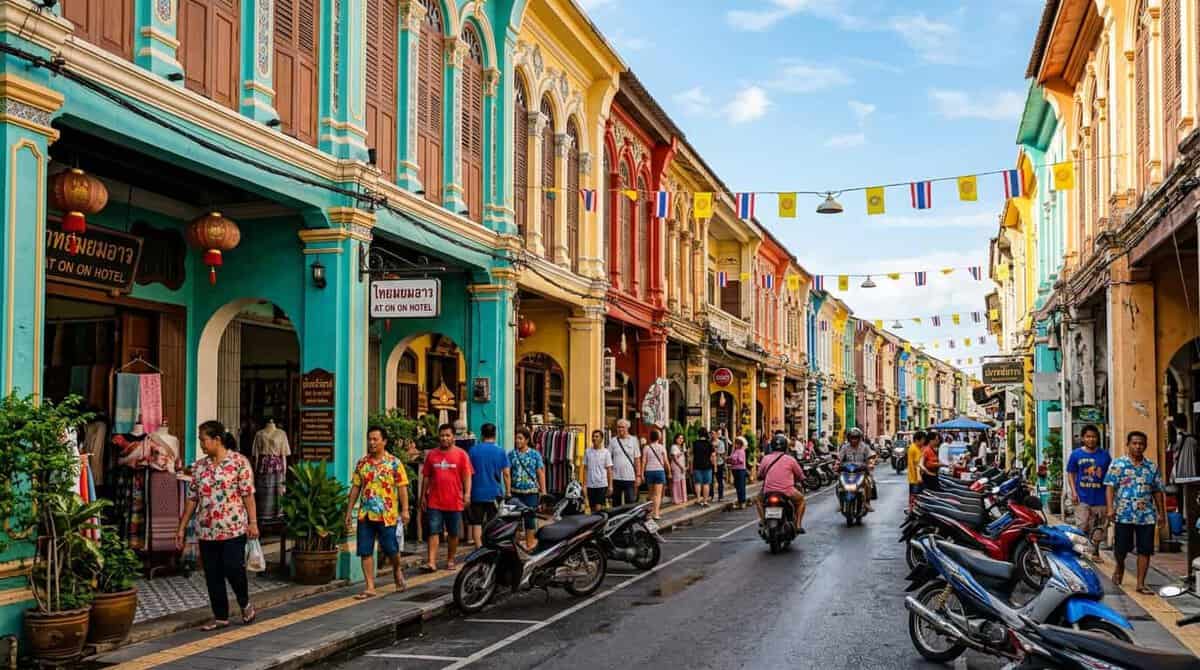
Most travelers treat this historic district as an afterthought—a rainy-day backup plan when the waves are too rough. That is a massive mistake. Instead of menus translated into five languages and aggressive tuk-tuk drivers, the historical center offers authentic Southern Thai cuisine, century-old Sino-Portuguese architecture, and a fascinating culture shaped by Chinese immigrants and a massive tin-mining boom. The tin-mining boom left a deeper mark here than any tide ever could.
Quick Summary
- Public transport stops early: Local buses connecting the beaches to the historical center cease operating between 5:30 PM and 6:00 PM. Plan your return accordingly.
- Ride-sharing is essential: Ignore street taxis and download the Grab or Bolt app to save up to 50% on transit fares.
- The food is Michelin-recognized: You will find far better, cheaper, and more authentic meals here than at any coastal resort, especially if you try local Peranakan dishes.
- Sundays are mandatory: If your schedule allows, time your visit for a Sunday afternoon to experience the massive Lard Yai walking street market on Thalang Road.
- Skip the midday heat: The paved grid layout traps heat. Do your architectural walking tours before 10:00 AM or after 4:00 PM.
Why You Need to Leave the Resort (Direct Answer)
If you are wondering whether taking a 30-minute detour inland is worth your limited vacation time, the answer is an absolute yes. You should allocate at least one full day and one night to explore this district.
The coastal areas of Patong and Kata cater almost exclusively to Western vacationers. By contrast, the inland historic district operates as a functional, localized community. Here, you will find incredibly cheap street food, quiet air-conditioned cafes functioning as co-working spaces, and deep historical roots that completely contradict the island’s party reputation. By staying inland for just a night or two, you cut your daily food and lodging budget in half while experiencing a much more authentic side of Southern Thailand.
The History That Built the Streets
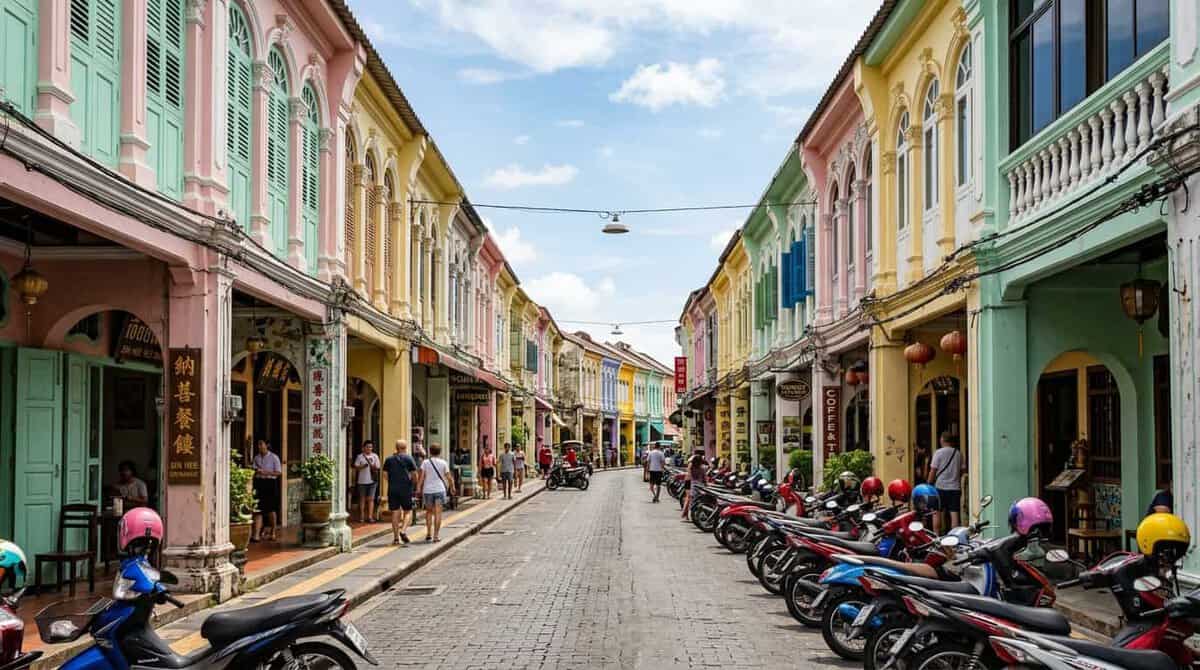
To understand why the architecture here looks more like a European colonial settlement than a traditional Thai village, you have to look back to the 18th and 19th centuries. Long before tourists arrived, this area was one of the most lucrative tin-mining centers on the planet.
This economic explosion attracted tens of thousands of immigrants, specifically from the Fujian province in China, as well as European traders. The wealthy Chinese miners intermarried with local Thai women, creating a highly distinct hybrid culture known locally as “Baba” or Peranakan.
A Street-by-Street Breakdown
The district is compact and highly walkable, arranged in a rough grid pattern. However, not all streets offer the same experience. I highly recommend ditching the map and wandering aimlessly, but you should eventually orient yourself around these main thoroughfares.
Phangnga Road: The Independent Hub
This is arguably my favorite stretch in the entire district. While other roads lean heavily into tourist-trap territory, Phangnga Road strikes a perfect balance. Here, old mechanic shops operate right next to third-wave coffee roasters and high-end independent boutiques. It is the best place to shop for authentic, locally made goods without stepping over racks of cheap knock-off sunglasses. The mechanic shops and boutiques don’t compete here; they just share the same pavement.
Soi Romanee: The Photography Hotspot
Historically, this narrow alley functioned as the local red-light district. Today, it is the most heavily photographed street on the island. The buildings here are painted in striking pinks and deep reds. The famous Aungku Phuket bakery, with its massive artificial floral displays, sits at the southern end.
A word of warning: Soi Romanee at 1:00 PM on a Tuesday was completely overrun with influencers blocking the pavement for photoshoots. Visit before 9:00 AM if you want clear photographs. The lane looks charming in the early light — the real charm is having it to yourself.
Thalang Road & Dibuk Road
Thalang Road serves as the main commercial artery. It is densely packed with batik fabric shops and second-hand bookstores, and it completely shuts down to vehicle traffic on Sunday evenings for the night market. Dibuk Road features excellent architecture but suffers from heavy vehicle traffic, making it noticeably less enjoyable for a casual afternoon stroll. The Old Town is known for its Sino-Portuguese buildings lining both sides of the street. Sunday evening transforms Thalang from a shopping street into something closer to a block party.
Top Historical Sites and Shrines
If you need a break from the heat, the town offers several excellent museums and shrines that detail the Baba heritage.
Thai Hua Museum
Located on Krabi Road inside a beautifully preserved former Chinese schoolhouse, this is the most comprehensive museum in the area. For an entry fee of roughly 200 Baht, you get access to excellent, air-conditioned exhibits detailing the Chinese immigration wave and the realities of the tin mining era. It takes about an hour to walk through. The air conditioning hits the moment you step inside, a relief after the humidity of Krabi Road.
Chinpracha House
Built in 1903 by one of the wealthiest tin-mining families, this is the only mansion from that era fully open to the public. For 150 Baht, you can step inside and view the original imported European floor tiles, stained glass, and heavy wooden furniture imported directly from China. It offers a fascinating look into the domestic lives of the 20th-century elite. The mansion sits within Phuket Old Town, an area noted for its Sino-Portuguese buildings lining streets like Thalang and Phang Nga. Worth the entry fee for the floor tiles alone.
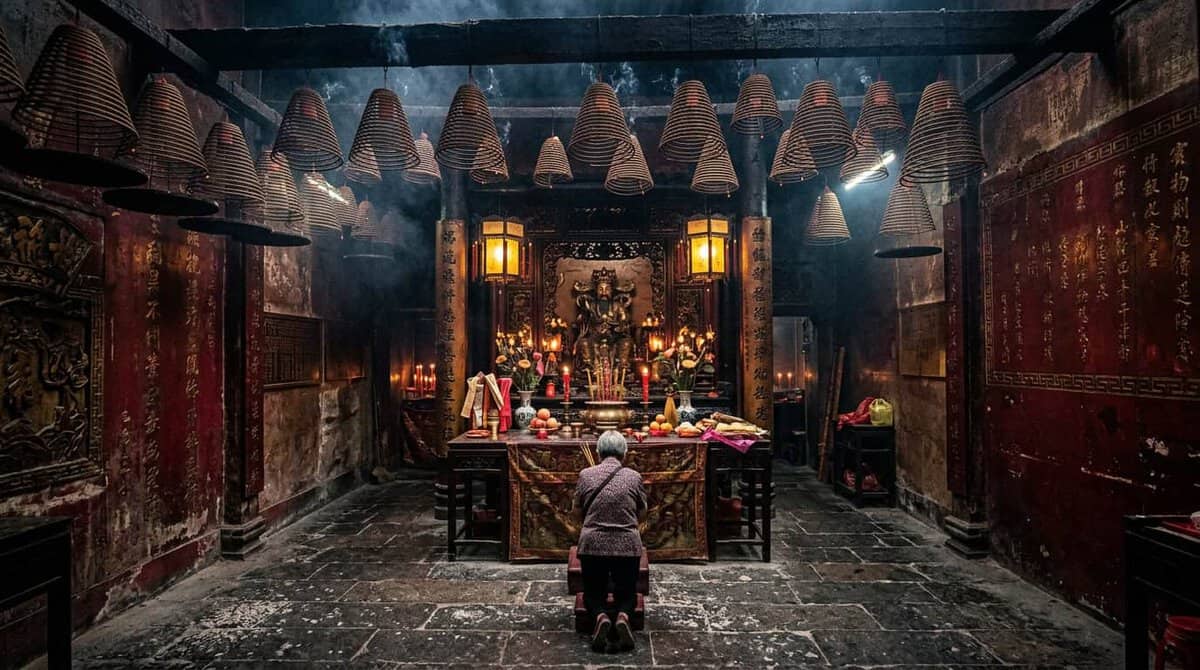
Shrine of the Serene Light
While the massive Jui Tui Shrine gets all the attention during the annual Vegetarian Festival, the Shrine of the Serene Light is far more atmospheric. It is tucked down an incredibly narrow alley off Phangnga Road. You cannot see it from the street—you have to trust the small entrance gate and walk back. Inside, you find a small, heavily incense-smoked Taoist temple that feels completely isolated from the modern world outside. The gate hides more than a shrine—it hides a different pace entirely.
The UNESCO-Recognized Food Scene
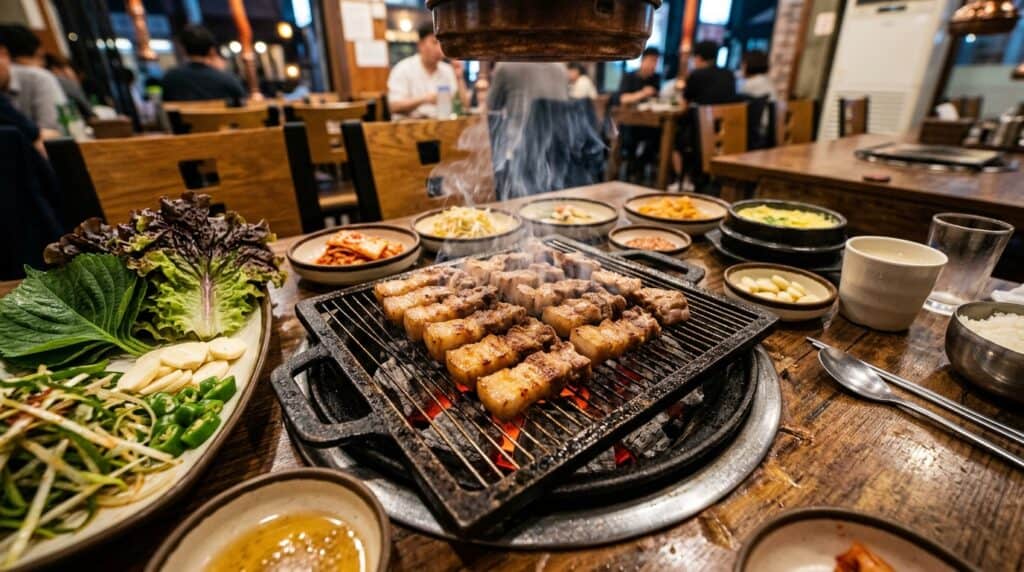
In 2015, the United Nations named Phuket a “City of Gastronomy,” and almost all the culinary heavyweights that earned that title are located inland. The food near the coastal resorts is often heavily modified—sugared down and stripped of its spice to appease Western palates. Here, the flavors pull no punches.
Michelin-Starred Dining on a Budget
If you want a high-end meal without the massive price tag, book a table at Tu Kab Khao. Identifiable by a giant artificial lobster clinging to the exterior wall, this restaurant specializes in Royal Thai cuisine. I ordered their deep-fried fish with turmeric and a simple plate of wide rice noodles, and it was easily the best meal I had all month.
Alternatively, One Chun offers incredible southern dishes inside a vintage shophouse. A portion of their signature crab yellow curry costs around 370 Baht (roughly $10 USD) and can easily feed two people. The shophouse setting makes the curry taste more like a find than a meal.
Exceptional Street Food
If you want to spend even less, head to the corner of Yaowarat Road and Phang Nga Road after 5:00 PM. You will find a street cart called Four Praya Chicken Rice. For exactly 60 Baht (less than $2 USD), you get a massive plate of crispy pork and rice served with a highly distinct lemongrass-infused broth. I ate here three days in a row. The broth is the real draw, not the pork.
Cafe Culture and 5G Internet
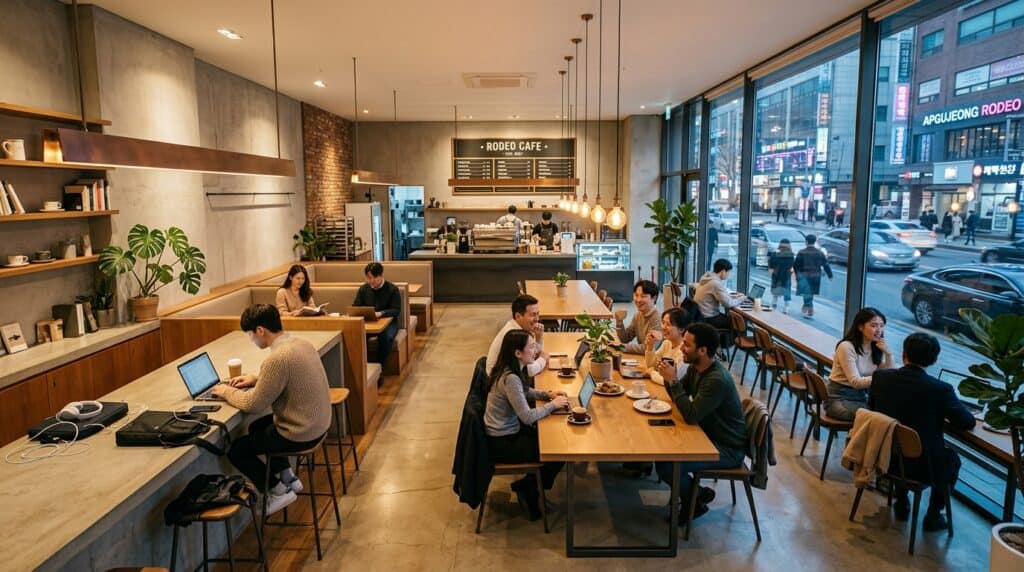
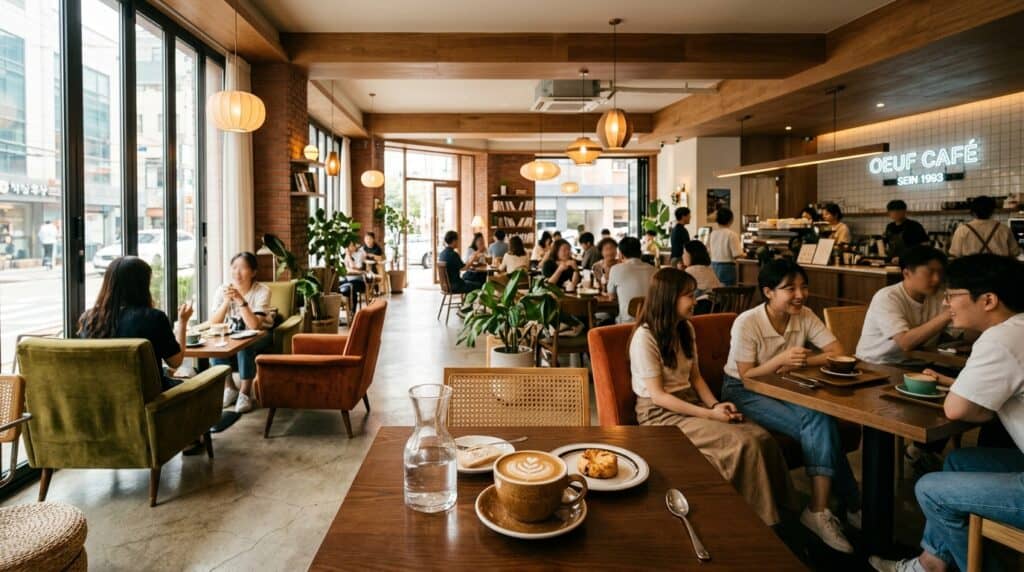
If you work remotely, this district is incredibly accommodating. Unlike the chaotic beach cafes, places like Bookhemian and Delight Café offer cold-brew coffee, reliable air conditioning, and fast 5G Wi-Fi networks. They are solid retreats when the midday heat becomes too dangerous to navigate. The trade-off is simple: you trade beach views for reliable internet and a cool seat.
Cost Comparison: Old Town vs. The Coast
Staying inland drastically alters your travel budget. Let’s look at the hard numbers based on my recent trip:
Accommodation: A highly-rated boutique room here averages $40 to $60 USD per night. A comparable room in Patong or Kata easily runs $100 to $150 USD.
Dining: A local dinner with a beer inland costs about 150-200 Baht. On the coast, that same meal will start at 400 Baht.
Airport Transfers: If you stay inland, you can take the public airport bus directly to the district center for exactly 100 Baht. Taking a taxi to the coastal resorts costs upwards of 650 to 800 Baht. The savings add up fast enough that the inland choice pays for a few extra dinners.
By using the inland district as a “base camp” and riding the cheap 50-Baht public songthaew (local bus) to the coastal areas during the day, a budget-conscious traveler can save hundreds of dollars over a week-long trip.
Who Should Visit (And Who Should Not)
This destination is ideal for:
Travelers prioritizing culture, architecture, and history over ocean views.
Food enthusiasts wanting to taste unmodified, spicy Southern Thai and Peranakan cuisine.
Digital nomads needing reliable Wi-Fi, cheap coffee, and quiet workspaces.
Budget travelers looking to cut accommodation costs without staying in dismal hostels.
You might want to skip this if:
Your entire vacation goal is to swim in the ocean immediately after waking up. The nearest swimmable beach is a 30-minute drive away.
You are looking for heavy nightlife. The local bars here feature acoustic guitars and craft cocktails, not thumping bass and foam parties.
You have severe mobility issues and cannot handle high heat. The narrow sidewalks are often blocked by parked motorbikes, forcing pedestrians into the street.
Common Mistakes to Avoid
1. Relying on Street Taxis for Transport
I made the error of flagging down a pink street taxi to get from Kata back to the historical center. The driver demanded 800 Baht for a 25-minute ride and refused to turn on the meter. Do not engage with street taxis. Download the Grab or Bolt app before you arrive. The exact same route on Bolt cost me 320 Baht. Make sure you buy a local SIM card at the airport so you have the data required to use these apps on the go.
2. Misjudging the Local Bus Schedule
The blue songthaews (open-air public buses) are a fantastic way to travel from the coast to the inland district for just 50 Baht. However, their schedule is designed for local workers, not tourists. The buses completely stop running between 5:30 PM and 6:00 PM. I watched dozens of tourists strand themselves after the Sunday night market because they assumed the buses ran until midnight.
3. Attempting Midday Walking Tours
The dense concrete grid traps heat and humidity. Walking the streets between 11:00 AM and 3:00 PM is physically exhausting and potentially dangerous if you do not carry water. Plan your outdoor exploration for early morning, take refuge in an air-conditioned museum or cafe during the afternoon, and resume walking after 4:00 PM.
Where to Stay: The Memory at On On Hotel
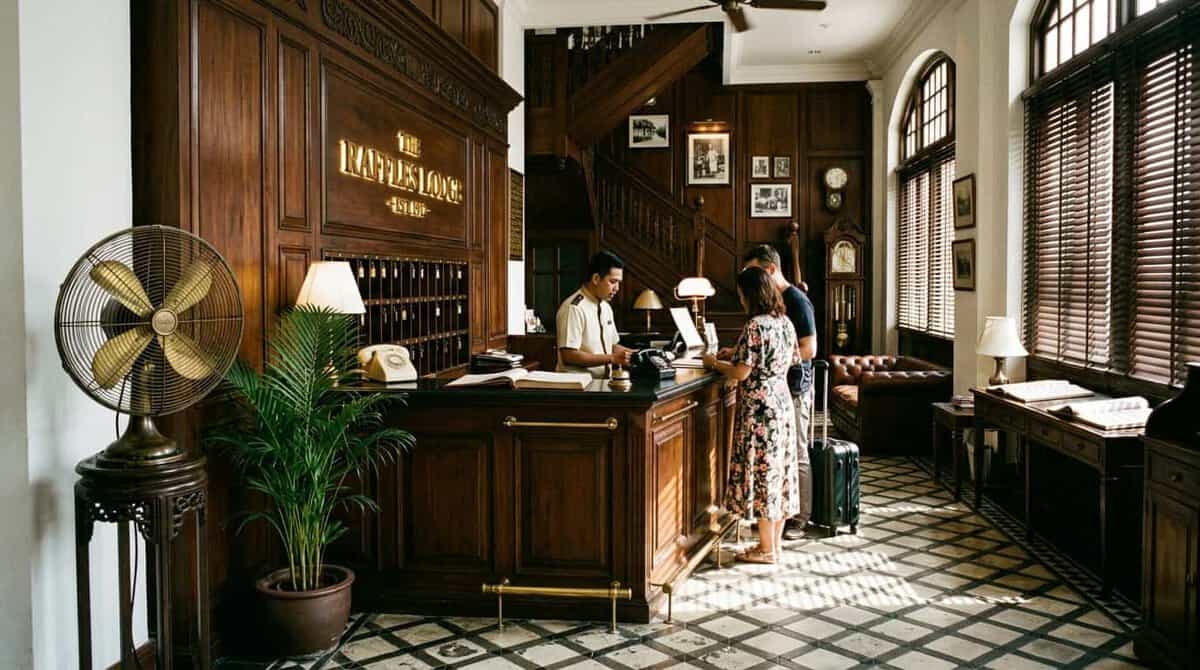
If you decide to spend the night, you must look into The Memory at On On Hotel located on Phangnga Road. Built in 1929, it is one of the oldest lodgings on the island.
If the dark wooden reception desk looks familiar, it is because this building was used as the filming location for the dingy Bangkok backpacker hostel in the Leonardo DiCaprio film, The Beach. However, the property underwent massive renovations under new ownership in 2012. It is no longer a dingy hostel.
Frequently Asked Questions
How do I get to the historical center from the airport?
You have two primary options. The cheapest is the orange Airport Bus, which costs 100 Baht and takes about 90 minutes. It drops you off just 400 meters east of the main historic grid. Alternatively, a Grab or Bolt ride will take about 45 minutes and cost roughly 500-600 Baht depending on traffic.
Is the area safe at night?
Yes, incredibly safe. Unlike the heavy party zones on the coast, the inland district shuts down fairly early. Violent crime against tourists is exceptionally rare. However, the sidewalks are uneven, and stray dogs do wander the streets late at night, so watch your step in poorly lit alleys.
Do vendors accept credit cards?
While large hotels and high-end restaurants will take Visa and Mastercard, almost all the independent cafes, street food carts, and market stalls operate exclusively on cash. You absolutely must carry small bills (20, 50, and 100 Baht notes) when visiting the Sunday walking street market or purchasing small items.
When is the best time of year to visit?
The weather is most reliable from December through March. However, if you want a massive cultural experience, visit in October during the Vegetarian Festival. The local Chinese shrines become the epicenter of intense religious ceremonies, street parades, and incredible plant-based food stalls.
Conclusion
Trading the white sands of the coast for the concrete streets of Old Phuket Town might seem counterintuitive to a tropical vacation, but it provides the cultural anchor that most island itineraries completely lack.
By planning around the midday heat, utilizing ride-sharing apps to avoid taxi scams, and eating where the locals eat, you will discover a rich, complex community that extends far beyond standard tourism. Book a room in a heritage hotel for two nights, wander down Phangnga Road, and eat your weight in southern Thai curries. The beach will still be there when you get back.